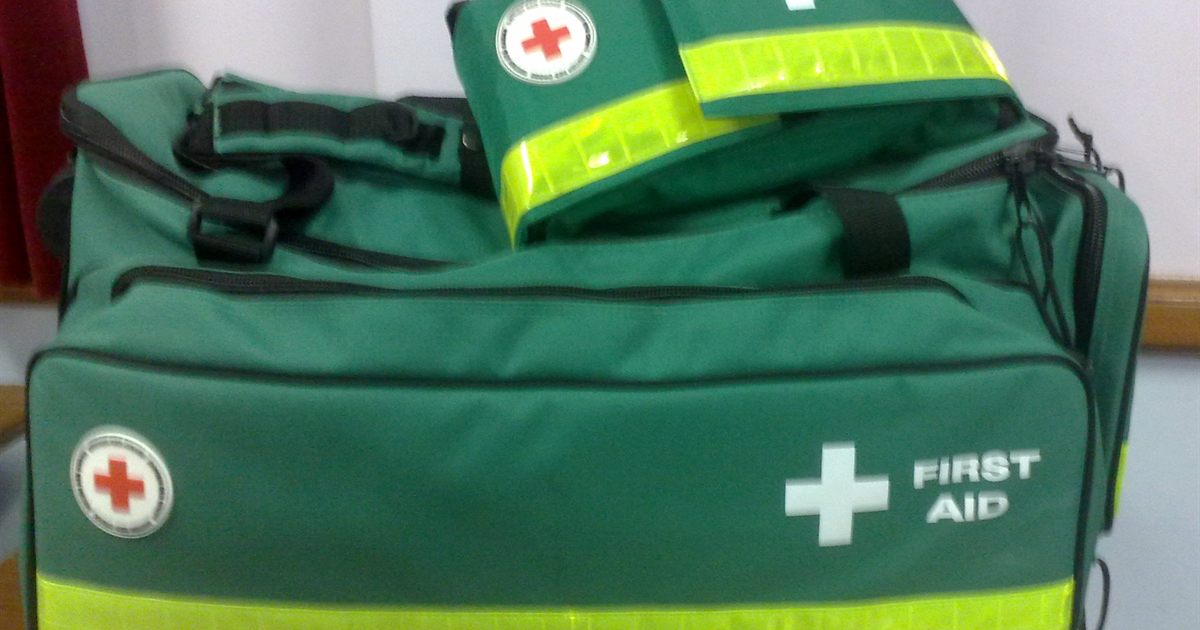
A laboratory is one of the higher-risk workplaces the law has in mind when it talks about "adequate and appropriate" first aid. Corrosive chemicals, cryogens, sharps, biological agents, hot processes and mains electricity all sit in the same room — and a generic office first aid kit won't cover any of them. This guide sets out what UK labs actually need: the equipment, the antidotes, the training, and how to evidence it under the first-aid Regulations and COSHH.
The legal basis for lab first aid
There is no separate "laboratory first aid law". Two duties combine:
- The Health and Safety (First-Aid) Regulations 1981 require every employer to provide "adequate and appropriate" first-aid equipment, facilities and people — with the detail decided by your needs assessment.
- COSHH (the Control of Substances Hazardous to Health Regulations) requires arrangements to deal with accidents and emergencies involving hazardous substances — which for a lab means the first-aid measures each chemical demands, drawn from its safety data sheet.
Together they mean lab first aid is not a fixed shopping list: it is whatever your specific substances and processes require, written down so you can show an inspector or ISO 45001 auditor your reasoning.
What makes a lab different
A lab needs assessment has to weigh hazards a normal office never sees. Work through the ones present in yours:
| Lab hazard | First aid implication |
|---|---|
| Corrosive & irritant chemicals | Eye and skin splashes need immediate, prolonged flushing — dedicated eyewash and often a drench shower at the point of risk, not a sink down the corridor. |
| Chemical & thermal burns | Acids, alkalis, hot plates and oil baths cause burns that need cooling and specialist dressings; plain plasters aren't enough. |
| Specific toxic substances | A few chemicals (e.g. hydrofluoric acid, cyanides) need a named antidote and protocol identified from the safety data sheet. |
| Sharps & biological agents | Needlestick and cut protocols, sterile dressings, and a route to report exposures — recorded in your accident book and, where reportable, to RIDDOR. |
| Cryogens & compressed gases | Cold burns and frostbite from liquid nitrogen; asphyxiation risk in confined areas — provision and rescue arrangements to match. |
The lab first aid kit
Start with a general workplace kit sized from your headcount and risk — see what should be in a workplace first aid kit and BS 8599-1 kit sizes. Then add the lab-specific provision your assessment calls for:
- Eyewash — sterile eyewash pods or bottles as a minimum, and a plumbed or self-contained eyewash station able to flush continuously for at least 15 minutes where corrosives are used.
- Emergency (drench) shower — for substantial body splashes of corrosive or hazardous liquids.
- Burns provision — sterile burns dressings and a burns gel/hydrogel where the assessment shows a real burn risk.
- Chemical spill kit — to contain spills and protect responders; keep it separate from, but near, the first aid kit. For blood and other biological spills, add a body fluid spill kit too.
- Substance-specific antidotes — only where a safety data sheet requires one (see below), sourced and stored on occupational-health advice.
Keep any medicines or antidotes out of the general kit and controlled under a named protocol — a first aid kit should not contain tablets or medications as a matter of course.
Chemical-specific antidotes
A small number of lab chemicals need more than flushing. The two most commonly planned for:
- Hydrofluoric acid (HF) — even dilute HF causes deep burns and can dangerously lower blood calcium. Calcium gluconate gel is kept for immediate application after copious flushing, with urgent hospital treatment.
- Cyanides — labs handling cyanide salts or gases may need a specific antidote arrangement agreed with occupational health and local emergency services.
First-aiders and training
A lab is normally treated as higher-risk, so the HSE rule of thumb points to at least one First Aid at Work (FAW) trained first-aider for 5–50 people, plus one more for every extra 50 — with cover across every shift and for holidays and absence. For the exact number, work through how many first-aiders you need. On top of standard training, brief and train first-aiders on any substance-specific response your hazards demand (for example HF or cyanide) and keep their certificates and training records current.
Signage, information and records
Mark the location of the first aid kit, eyewash and emergency shower with the correct first-aid signs, and make sure everyone working in or visiting the lab — including students, contractors and other non-employees — knows where they are and who the first-aiders are. Then keep it all provable: eyewash and burns provision especially tend to expire quietly on the wall, so inspect on a set schedule and record each check.
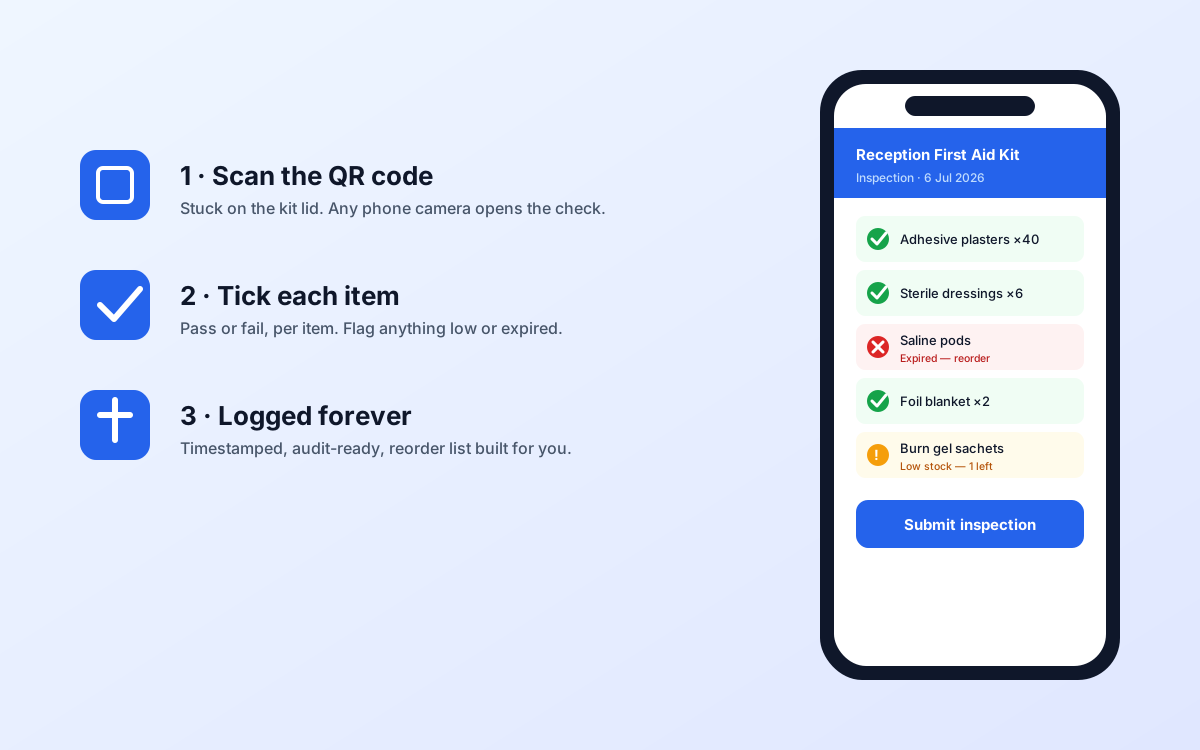
The needs assessment tells you what a lab must hold. Keeping it true day to day — every kit stocked, every eyewash and burns dressing in date, every antidote and certificate current, every inspection logged — is where most labs slip. That's exactly what KitCompliance automates: build each kit from a suggested contents list, record inspections in seconds, and get reminders before anything lapses, with a one-click report that proves your provision. See the getting-started guide to set it up.
Frequently asked questions
Do laboratories legally need an eyewash station?
No regulation names one, but the 1981 Regulations and COSHH require provision adequate for the hazard. Any lab handling corrosive, irritant or hazardous chemicals will almost always conclude it needs dedicated eyewash — often a plumbed or self-contained station able to flush for at least 15 minutes, not just mains tap water.
What first aid is needed for hydrofluoric acid?
HF causes serious burns and dangerous falls in blood calcium. Labs using it typically keep calcium gluconate gel for immediate application after copious flushing, alongside urgent medical help. Set this up from the substance's safety data sheet and with occupational-health advice — never improvise it.
How many first aiders does a laboratory need?
There's no fixed ratio. As a higher-risk site, the HSE guide is at least one FAW first-aider for 5–50 people and one more per extra 50, with cover across all hours and any substance-specific training. Your assessment sets the number.
Do laboratories need a first aid room?
Not automatically — only where the needs assessment shows one is warranted, typically larger or higher-hazard sites. Many labs manage with well-placed kits, eyewash and a designated area; see first aid room requirements.