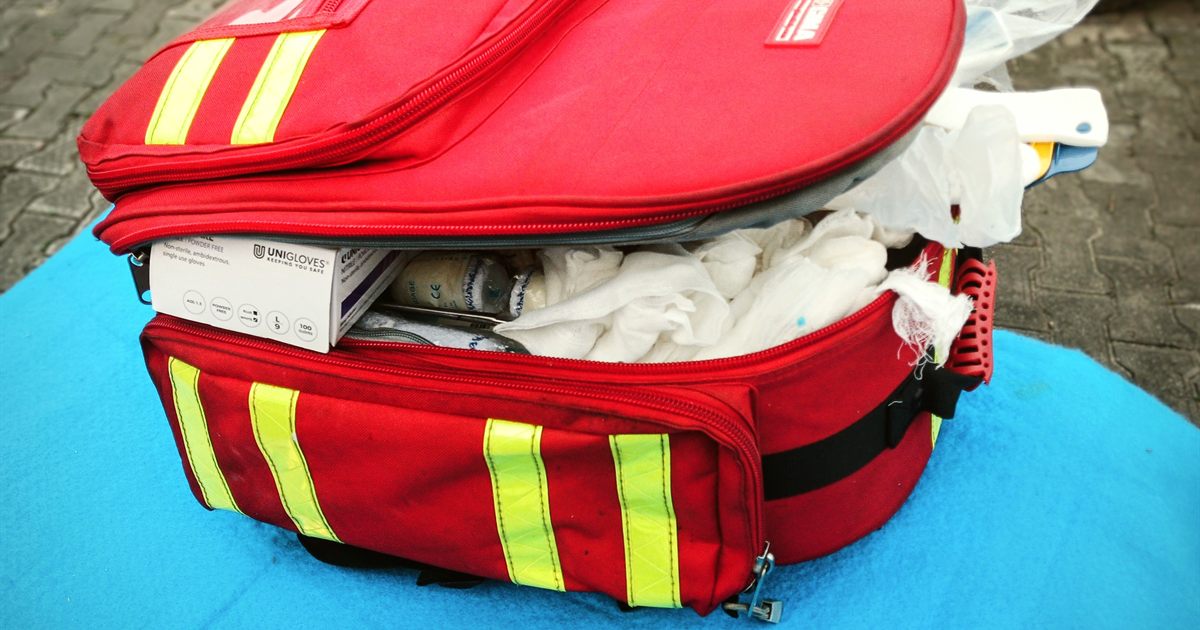
The eyes are the one injury a first aid kit can rarely fix on its own. Get dust, a metal splinter or a chemical splash in someone's eye and the single most important thing is immediate, prolonged flushing — which is why the law treats eye-irrigation as its own strand of first aid provision. This guide explains when a UK workplace needs eyewash, what "suitable" means, the difference between sterile pods and a plumbed emergency station, and how to keep it in date.
Is an eyewash station a legal requirement?
There is no standalone "eyewash law". Instead, three sets of regulations overlap:
- Health and Safety (First-Aid) Regulations 1981 — require "adequate and appropriate" first-aid equipment and facilities. Where eye injuries are foreseeable, eye irrigation is part of "appropriate".
- COSHH 2002 — where hazardous substances are used, you must control exposure and provide means to deal with it, including eyewash for splashes to the eyes.
- Workplace (Health, Safety and Welfare) Regulations 1992 — require suitable washing facilities.
Read together, the position is simple: if your risk assessment shows a credible chance of something reaching the eyes, eyewash stops being optional. The assessment — not a fixed list — is what makes it mandatory, exactly as it does for the rest of your first aid provision.
When is tap water enough — and when isn't it?
The HSE's position is that clean running mains tap water, immediately to hand at the point of risk, can be adequate for low-hazard flushing of a foreign body. The problem is "immediately to hand": a sink two corridors away is not. Where mains water isn't available at the hazard, or where the hazard is more than a nuisance-level foreign body, you need dedicated provision:
| Situation | Suitable provision |
|---|---|
| Office / low-risk, mains water nearby | Clean running tap water is usually adequate; a sterile eyewash pod in the first aid kit is a sensible backup. |
| Dust, grinding, woodwork, foreign-body risk, no tap at hand | Sealed sterile eyewash — 500 ml or 1 litre bottles of sterile saline (0.9%) or purified water, wall-mounted by the hazard. |
| Corrosive or hazardous chemicals, labs, plating, batteries | A plumbed or self-contained emergency eyewash station able to deliver a continuous tepid flush for at least 15 minutes (EN 15154). |
Sterile eyewash pods and bottles
For most workplaces without heavy chemical use, sterile eyewash is the practical answer. Points that catch people out:
- They expire. Sealed bottles typically last two to three years from manufacture. Past the date, replace them — see first aid kit expiry dates for how shelf life works across the kit.
- Once opened, they're finished. A broken tamper seal means sterility is gone — discard it even if it looks full.
- Provide enough volume. Effective flushing takes more than one small pod. Mount at least two 500 ml bottles, or a 1 litre station, per eyewash point.
- Include eye pads. Your workplace first aid kit should already carry sterile eye pads under BS 8599-1; eyewash sits alongside them, not instead of them.
Where to put it
Eyewash only works if the casualty can reach it with their eyes shut and streaming. Site it:
- Close to the hazard — on an unobstructed path, ideally reachable within about ten seconds of the point of risk.
- Clearly signed — a green-and-white first aid sign so it's found in a panic; see first aid signage requirements.
- Away from a trip or contamination risk — not under a shelf of the very chemicals it protects against, and kept frost-free so it isn't unusable in winter.
How often to check it
Eyewash is one of the most commonly out-of-date items on a compliance check, because a sealed bottle looks fine long after its date has passed. Fold it into the same routine as the rest of your kit — for the general rules see how often first aid kits should be inspected:
| Type | Check | Frequency |
|---|---|---|
| Sterile eyewash pods / bottles | Expiry date, tamper seal intact, correct quantity | Monthly (with the kit) |
| Plumbed emergency eyewash station | Activate and flush the line; confirm flow and tepid water | Weekly |
| All eyewash provision | Full inspection against the risk assessment | At least annually |
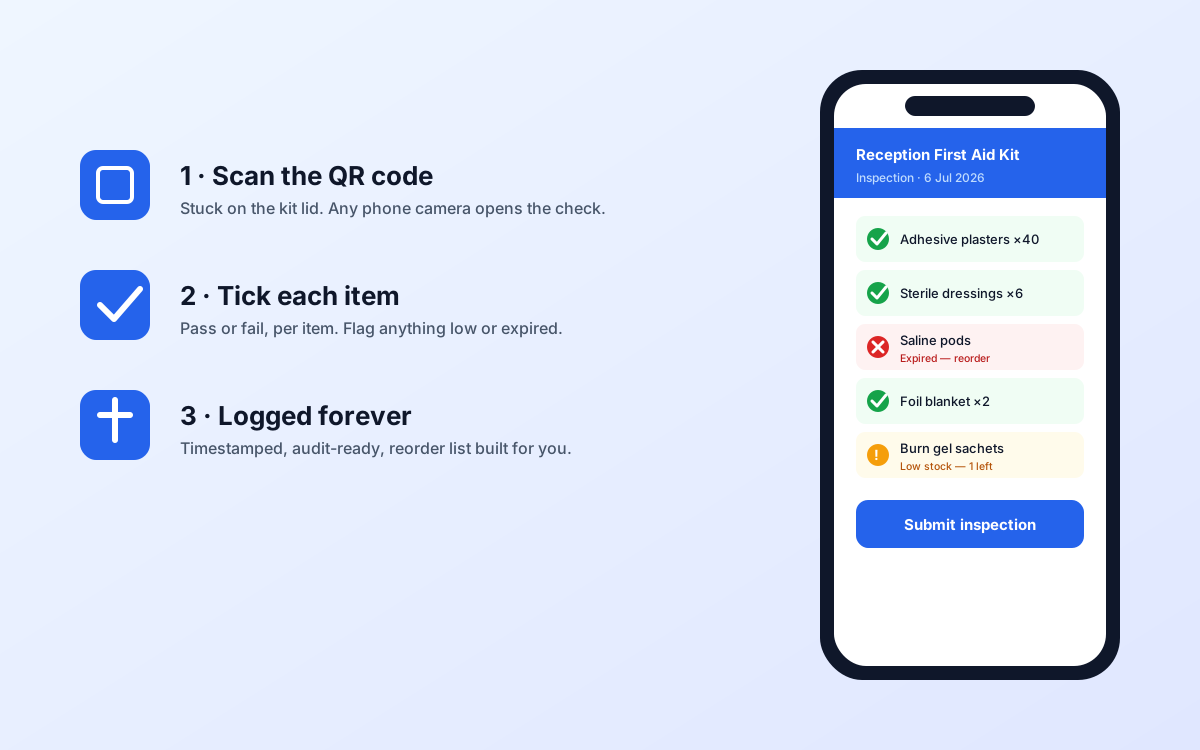
Deciding you need eyewash is the easy part; proving it was in date on the day is where workplaces fail an audit. That's exactly what KitCompliance is built for: add each eyewash bottle and station to the kit, record inspections in seconds, and get a reminder before anything lapses — with a one-click report that evidences your provision. See the getting-started guide to set it up.
Frequently asked questions
Are eyewash stations a legal requirement in the UK?
No single rule names them as compulsory everywhere, but the First-Aid Regulations 1981, COSHH 2002 and the Workplace Regulations 1992 together require suitable eye-irrigation wherever your risk assessment shows eyes could be exposed to dust, chemicals or splashes. Where that risk exists, eyewash is effectively mandatory.
When is mains tap water not enough?
Clean running tap water immediately at the point of risk can be adequate for low-hazard flushing. Where no mains water is to hand, or corrosives are used, you need sterile eyewash or a station able to deliver a continuous 15-minute flush.
Does sterile eyewash expire?
Yes — sealed pods and bottles carry an expiry date, usually two to three years. Replace them by that date and discard any container whose tamper seal is broken.
How often should eyewash be checked?
Check sterile eyewash monthly with your kits for expiry and seals; activate and flush plumbed stations weekly, with a full inspection at least annually.