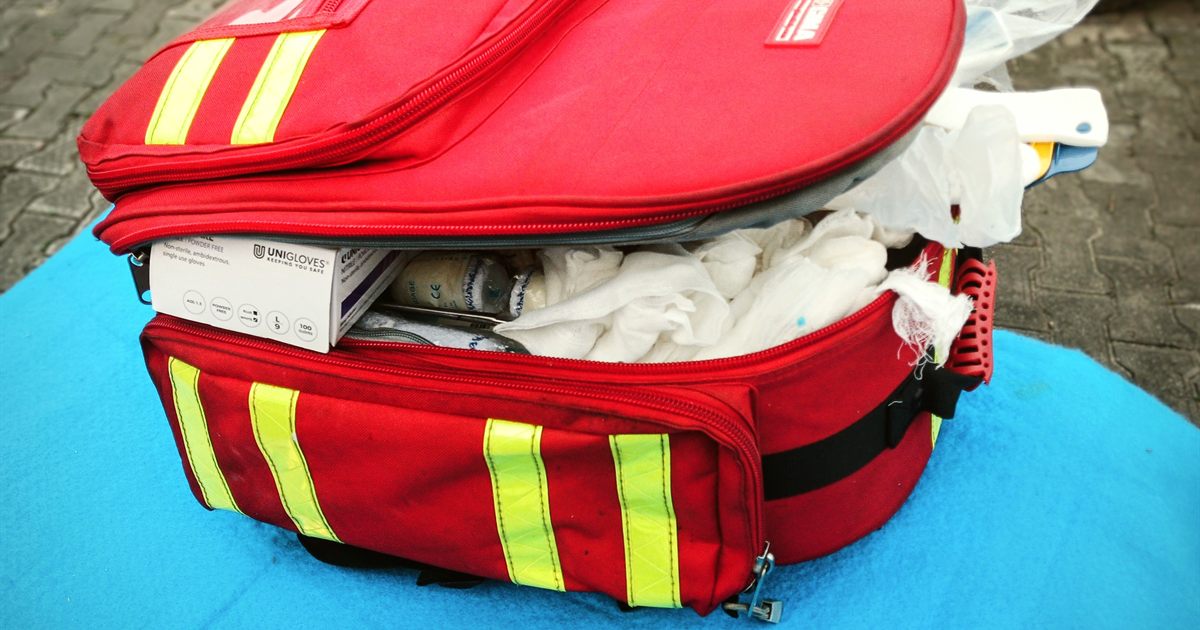
The honest answer is that the law doesn't name a number — but "whenever we remember" is exactly what gets flagged in an audit. Here's what the HSE actually expects, and the inspection frequencies that keep you safely on the right side of it.
What the HSE actually says
The Health and Safety (First-Aid) Regulations 1981 and the supporting HSE guidance don't prescribe an inspection interval. What they do require is that equipment is "adequate and appropriate" and available when needed. In practice that means someone must check kits often enough that supplies are never missing, expired or depleted when an incident happens.
Because there's no fixed rule, the frequency is a judgement call from your first-aid needs assessment — but the ranges below are what most competent employers land on.
Recommended inspection frequency by risk
| Workplace type | Suggested frequency | Why |
|---|---|---|
| Low-risk office / shop, low use | Monthly (quarterly minimum) | Little draw on supplies; expiry is the main risk |
| Retail, hospitality, schools | Monthly | Frequent minor use depletes plasters and wipes |
| Warehouse, workshop, kitchen | Weekly to fortnightly | Higher injury rate and faster stock turnover |
| Construction, high-hazard, remote/lone work | Weekly | Serious-injury risk; supplies must be reliable |
| Vehicles | Monthly + before long trips | Out of sight, easily forgotten |
| Any kit — after use | Immediately | Restock what was used before the next incident |
What to check each time
A good inspection is more than a glance in the box. Run through:
- Contents complete — every item present in the right quantity against the kit list.
- Nothing expired — check date-marked items: saline, dressings, burn gel (see typical shelf life by item).
- Seals intact — sterile items still sealed and undamaged.
- Clean and dry — no water damage, no contamination.
- Signage & location — the kit is where it should be and clearly signposted.
- Restock flagged — anything low or used added to the reorder list.
Inspection and replenishment: the other half of the job
An inspection that finds a gap and doesn't close it has achieved nothing. Replenishment — restocking what was used or removed — is the step that actually keeps the kit compliant, and it's the part most workplaces let slip (for the full method see how to restock a first aid kit). Build it into the same routine:
- Restock immediately after use. The moment someone takes the last burn dressing, the kit is non-compliant. Whoever uses an item should flag it, not wait for the next scheduled check.
- Replace expired stock at the check, not later. Saline, burn gel and sterile dressings all carry dates — see first aid kit expiry dates for what expires and when.
- Hold a small buffer of consumables. Plasters, gloves and wipes go fastest. A spare box on site means a gap is closed in minutes rather than waiting on a supplier.
- Record what you replaced. The replenishment log is what proves the inspection had teeth — and it shows an inspector the system works end to end.
If a kit needs restocking at every single check, it's probably the wrong size for that area — see what size first aid kit you need.
Why recording the check matters as much as doing it
There's no explicit legal duty to keep inspection logs — but if you can't show the checks happened, you can't demonstrate your provision was adequate. After an incident, or during an ISO 45001 audit or HSE visit, an undated, unsigned kit is treated as an unchecked kit. A dated inspection history is the difference between "we check regularly" and provable compliance. Frequent inspections keep each kit ready; a wider first aid kit audit — at least yearly — confirms the whole provision is still the right size and in the right places.
Make it automatic
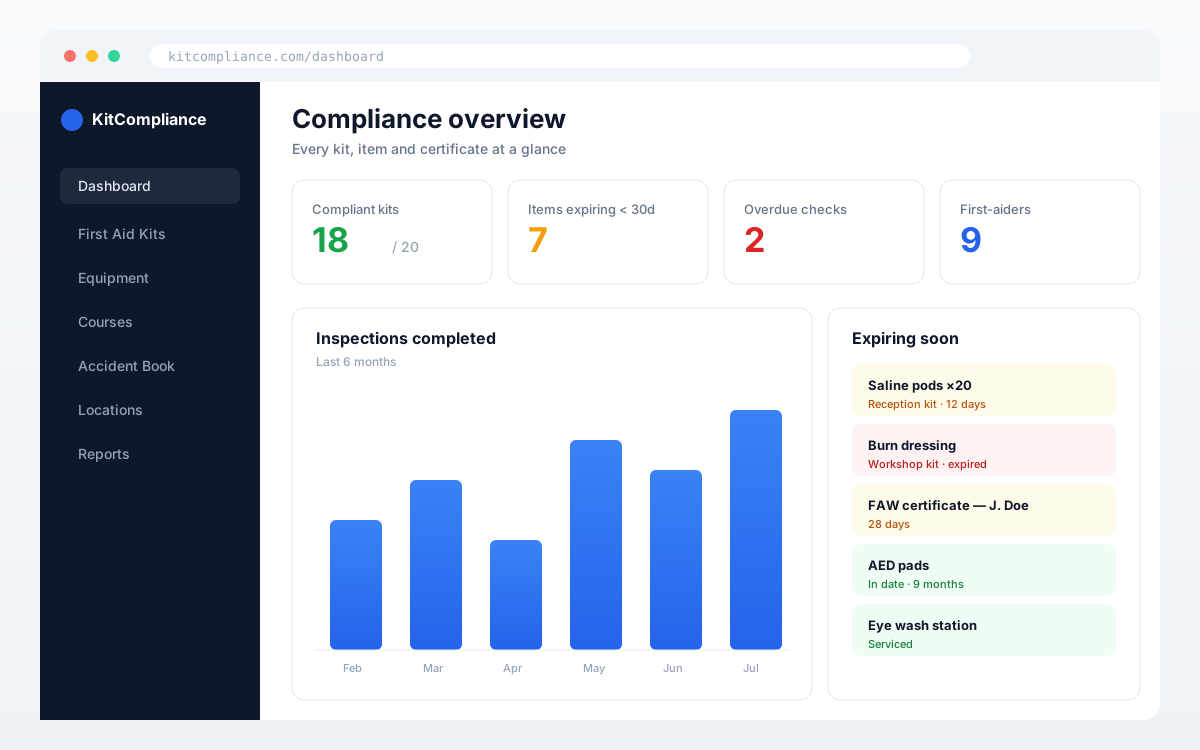
Manual reminders and paper logs are exactly what slips. With KitCompliance, each kit carries a QR code — scan it to run a timestamped pass/fail check in under a minute — and the dashboard tells you which kits are overdue and which items expire within 30 days. See the user guide for how inspections and reminders work.
Frequently asked questions
How often should first aid kits be checked?
Monthly is the accepted default for most workplaces. Low-risk offices can check quarterly; high-risk or high-use sites should check weekly. Always restock immediately after use.
Who can inspect a first aid kit?
Anyone competent — it needn't be a qualified first-aider. Many workplaces assign it to the appointed person or first-aider. What matters is that checks are consistent and recorded.
Do first aid kit inspections need to be recorded?
There's no explicit legal duty to keep records, but it's strongly recommended. Without a log you can't prove provision was adequate if there's an incident, inspection or audit.
What is first aid kit inspection and replenishment?
Inspection is checking the kit against a contents list for missing, used, damaged or expired items. Replenishment is restocking what the inspection found. Treat them as one routine: restock straight after an item is used, replace expired stock at the check itself, hold a small buffer of fast-moving consumables, and record what you replaced.