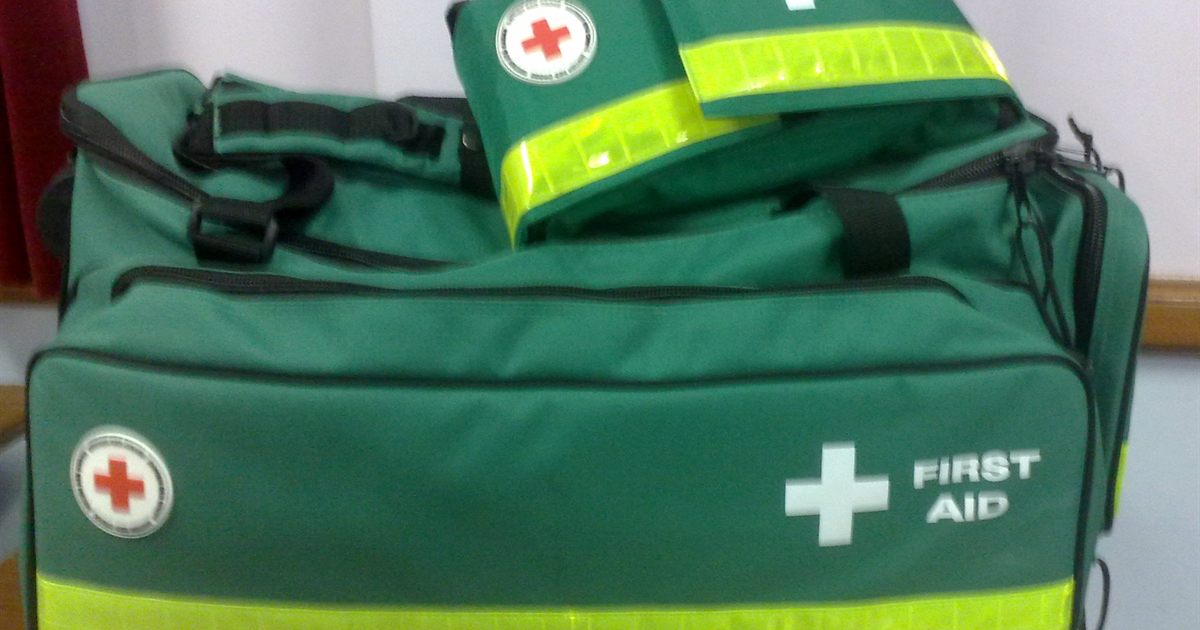

Every UK employer has a legal duty to provide first aid at work. This guide breaks down exactly what that means: the law behind it, the minimum you must provide, how many first-aiders you need, and where ISO 45001 raises the bar.
The law: the 1981 Regulations
The Health and Safety (First-Aid) Regulations 1981 apply to virtually every workplace in Great Britain, including those with a single employee. The word that does the heavy lifting is "appropriate" — the law scales with your risk rather than prescribing a fixed list. What's adequate for an accountancy office differs from a steel fabricator, and you decide the difference through a needs assessment.
The minimum every employer must provide
However small or low-risk your business, you must provide at least:
- A suitably stocked first aid kit.
- An appointed person to take charge of first-aid arrangements.
- Information for employees telling them what the first-aid arrangements are (who and where).
That's the floor. Most workplaces need more — the question is how much more.
The first-aid needs assessment
There's no legal template, but a needs assessment should weigh:
- Nature of the work and the hazards involved.
- Number of employees, and members of the public if relevant.
- Site size, layout and travel distances to reach help.
- Shift patterns and lone or remote workers.
- History of accidents and their types.
- Distance from emergency medical services.
The output is your justification for how many kits and first-aiders you provide — and the document an inspector will ask to see. For a step-by-step walkthrough and a free template, see how to do a first aid needs assessment.
How many first-aiders do you need?
The HSE gives suggested numbers rather than legal minimums. As a starting point for guidance:
| Risk level | Employees | Suggested provision |
|---|---|---|
| Low hazard (offices, shops) | Fewer than 25 | At least one appointed person |
| Low hazard | 25–50 | At least one EFAW-trained first-aider |
| Low hazard | More than 50 | At least one FAW first-aider per 100 employees |
| Higher hazard (workshops, warehousing) | Fewer than 5 | At least one appointed person |
| Higher hazard | 5–50 | At least one EFAW or FAW first-aider (by risk) |
| Higher hazard | More than 50 | At least one FAW first-aider per 50 employees |
Remember to cover holidays, sickness and every shift — one first-aider who's on leave means no cover that week. For the low-hazard end specifically, see office first aid requirements.
Appointed person vs first-aider
These are not interchangeable. An appointed person takes charge of the arrangements — maintaining the kit and calling for help — but isn't required to have first-aid training and must not attempt first aid beyond their competence. A first-aider holds a valid FAW or EFAW certificate and can give hands-on care. Low-risk micro-businesses may rely on an appointed person; most others need trained first-aiders. Full breakdown: who is responsible for first aid equipment at work.
Where RIDDOR comes in
First aid and incident reporting are linked. Under RIDDOR (the Reporting of Injuries, Diseases and Dangerous Occurrences Regulations 2013), certain workplace injuries and dangerous occurrences must be reported to the HSE. A good accident book — capturing what happened, the injury and the treatment given — is what makes RIDDOR reporting accurate and defensible. For what to record, which injuries are reportable and the deadlines, see our full guide to the accident book and RIDDOR.
How ISO 45001 raises the bar
ISO 45001 is the international standard for occupational health and safety management. It isn't law, but many organisations adopt it — and clients increasingly require it. Where the 1981 Regulations set a legal floor, ISO 45001 expects a managed system: documented arrangements, evidence they're followed, and continual improvement.
In practice that means being able to demonstrate, on demand:
- Kits are stocked, in date and inspected on a schedule — with records.
- First-aider certificates are current and cover every shift.
- Equipment — AEDs (defibrillators), eye-wash — is serviced and logged.
- Incidents are recorded, investigated and acted on.
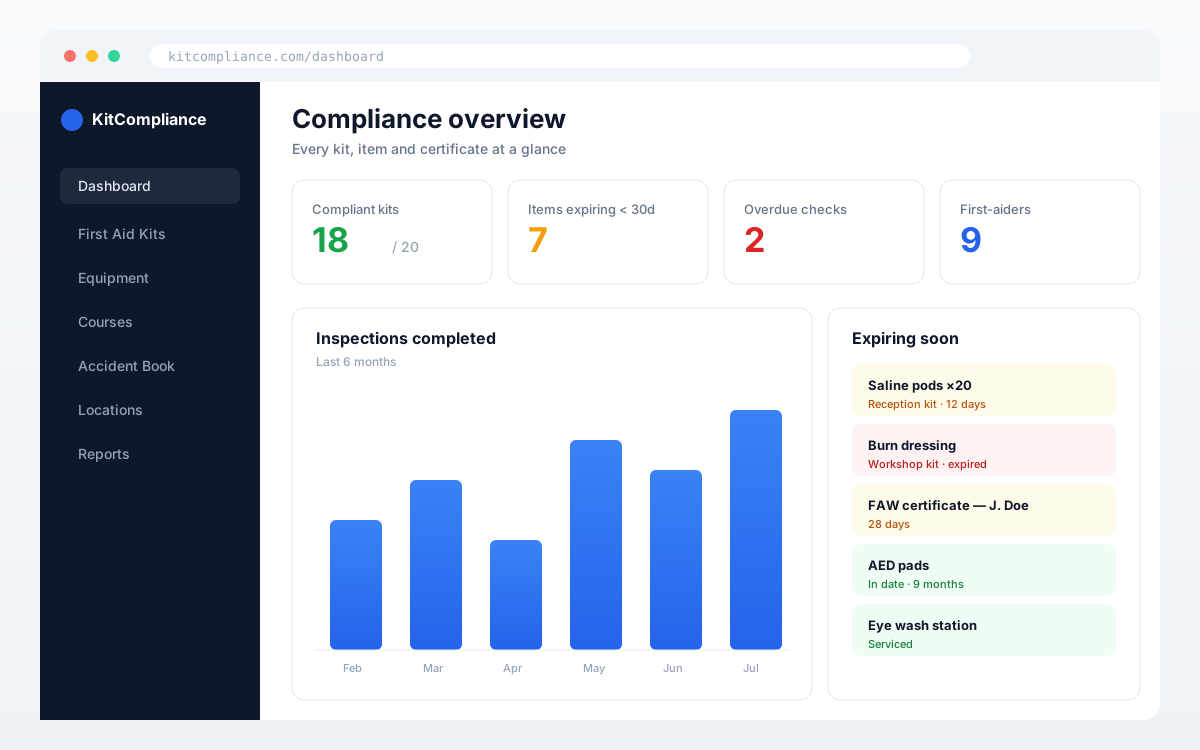
Paper checklists rarely survive that scrutiny. A system that timestamps every inspection and flags every expiry does.
Turning the requirements into evidence
KitCompliance is built around exactly these duties. It tracks your kits and their contents, runs QR-code inspections, watches every expiry date — including first-aider certificates and equipment service dates — and exports a one-click PDF that evidences "adequate and appropriate" provision to an HSE inspector or ISO 45001 auditor. Start with the getting-started guide.
Frequently asked questions
How many first-aiders does a workplace need in the UK?
There's no fixed legal ratio. HSE guidance suggests low-hazard sites under 25 people may need only an appointed person, 25–50 at least one EFAW first-aider, and 50+ at least one FAW first-aider per 100. Higher-hazard sites need more. Your needs assessment sets the number.
Is an appointed person the same as a first-aider?
No. An appointed person manages arrangements and calls for help but needn't be trained. A first-aider holds a valid FAW or EFAW certificate and gives hands-on first aid.
Do small businesses need a first aid kit?
Yes — every employer must provide at least a stocked kit, an appointed person, and information for staff, even with a single employee.