It's one of the most common first aid questions employers ask — and the answer surprises people. No, you should not keep paracetamol, ibuprofen, aspirin or any other tablets in a workplace first aid kit. Nor antiseptic creams, medicated sprays or eye drops. HSE guidance is explicit on this, and it isn't a technicality — it's about what first aid at work is actually for.
What HSE guidance actually says
The Health and Safety (First-Aid) Regulations 1981 require every employer to provide "adequate and appropriate" first-aid equipment, facilities and people. The accompanying HSE guidance (document L74) spells out what a kit should hold — and states plainly that first aid containers should not contain tablets or medicines.
The reasoning is straightforward. Workplace first aid exists to preserve life and stop a condition getting worse until professional medical help takes over. It is not a substitute for a pharmacy or a GP. Handing out medication — even something as everyday as a paracetamol — falls outside that purpose and introduces real risk.
Why painkillers don't belong in the kit
Supplying a tablet at work can go wrong in several ways:
- Allergic reaction. A person may not know they react to aspirin or ibuprofen until they take one you handed them.
- Drug interactions. The tablet could interact dangerously with medication the person already takes — something a first-aider has no way of assessing.
- Masking symptoms. A painkiller can hide a headache or chest pain that needed proper medical assessment, delaying a real diagnosis.
- Dosage and conditions. Pregnancy, liver conditions, stomach ulcers and existing prescriptions all change what is safe — none of which a first-aider is qualified to judge.
- Liability. If something you supplied caused harm, you'd struggle to show your provision was "adequate and appropriate."
What a workplace first aid kit should contain instead
A compliant kit holds equipment, not medicine. The standard reference is BS 8599-1, with the kit size set by your needs assessment. As a small-kit baseline you'd expect:
| Item | Why it's in the kit |
|---|---|
| Guidance leaflet | Basic first aid instructions for the person treating. |
| Assorted sterile plasters | Cover small cuts and grazes. Use blue detectable plasters in food-handling areas — see the kitchen kit contents. |
| Sterile dressings (various sizes) | Cover and apply pressure to larger wounds. |
| Triangular bandages | Slings and securing dressings. |
| Sterile eye pads | Cover an injured eye. |
| Safety pins, cleansing wipes (alcohol-free) | Secure dressings; clean skin around a wound. |
| Disposable nitrile gloves | Protect first-aider and casualty from infection. |
For the full list by kit size — and how to match kit size to headcount and risk — see what should be in a workplace first aid kit and BS 8599-1 kit sizes.
What about staff who need their own medication?
There's an important distinction between supplying medication (not allowed) and helping someone take their own (fine, when they ask and can self-administer). A first-aider can pass a colleague their own inhaler, adrenaline auto-injector (such as an EpiPen) or their own prescribed painkillers when the person requests it and is able to take it themselves. That's assisting, not administering.
If staff have specific medical needs — diabetes, severe allergies, asthma, epilepsy — capture that in your needs assessment and, where relevant, an individual care plan, so first-aiders know what to expect and where the person keeps their own medication. Never store another person's prescription medicine in the shared kit.
Keeping the "no medicines" rule provable
Two things trip employers up on inspection: kits that quietly acquire a box of paracetamol someone brought in, and kits full of out-of-date items. Both undermine "adequate and appropriate" provision. A quick routine fixes both:
- Check kits against a fixed first aid kit checklist so nothing that shouldn't be there creeps in.
- Inspect regularly and restock expired or used items.
- Log each check so you can evidence it — see the wider workplace first aid compliance checklist.
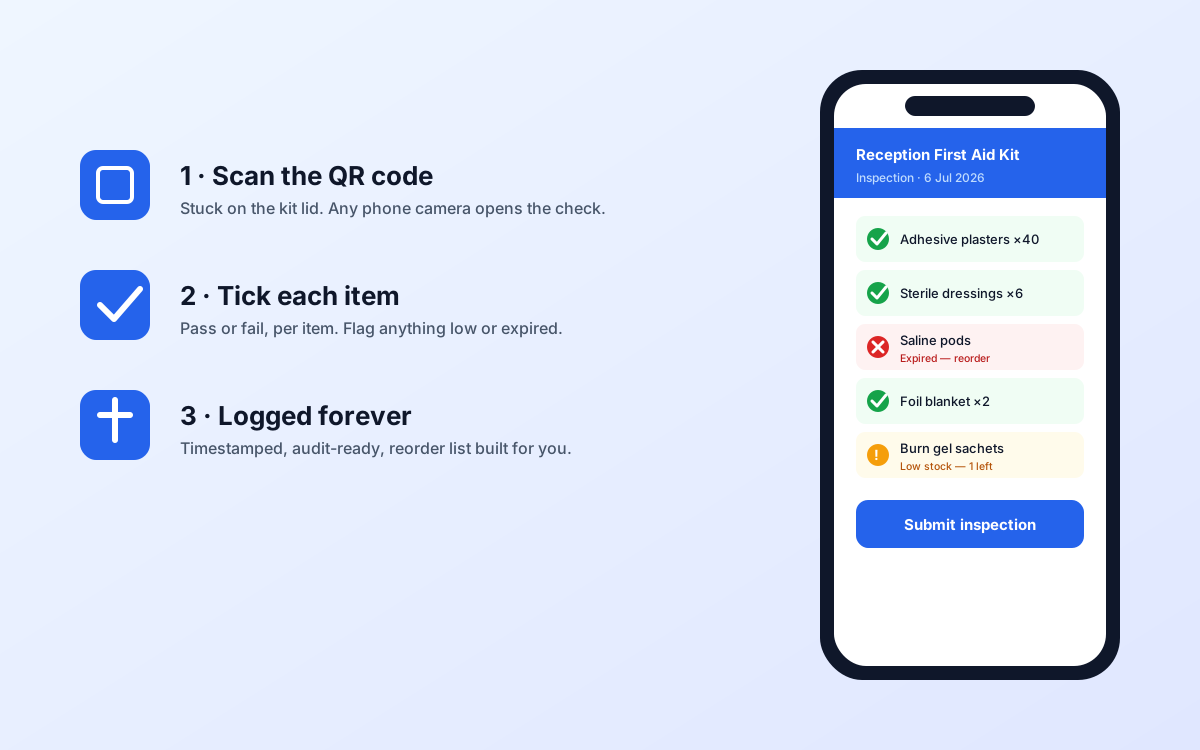
The rule is simple once you know it: equipment, not medicine. Keeping a kit correct week to week — the right items, in date, with used stock replaced and every check logged — is where most workplaces slip. That's exactly what KitCompliance handles: build each kit from the ISO 45001 / BS 8599-1 suggested list, record inspections in seconds, and get reminders before anything lapses, with a one-click report that proves your provision. See the getting-started guide to set it up.
Frequently asked questions
Can you keep paracetamol or painkillers in a workplace first aid kit?
No. HSE guidance (L74) states a first aid kit should not contain tablets or medicines of any kind, including paracetamol, ibuprofen and aspirin. First aid preserves life and prevents a condition worsening until help arrives — it isn't for treating minor ailments with medication, which risks reactions, interactions or masked symptoms.
Is it illegal to have medicine in a workplace first aid kit?
It isn't a specific criminal offence, but it goes against HSE guidance and creates liability. If a tablet you supplied caused harm you'd struggle to show your provision was "adequate and appropriate" under the 1981 Regulations. Keep medicines out and note the decision in your needs assessment.
Can a workplace first aider give out any tablets at all?
No — supplying medication isn't part of a first-aider's role, even paracetamol. The exception is helping someone take their own prescribed medication (an inhaler, auto-injector or their own tablets) when they ask and can self-administer.
Can we keep antiseptic cream or eye drops in the kit?
No. Antiseptic creams, lotions, sprays and eye drops are medicated products and don't belong in a first aid kit. Clean wounds with plain water or an alcohol-free wipe and cover with a sterile dressing; irrigate eyes with sterile saline or clean running water.