Around one in fifteen people in the UK lives with diabetes, so the odds are good that someone in your workplace does too. Most manage it well and you will never see a problem — but when blood sugar swings too low or too high, it can turn into an emergency fast. The reassuring part is that the first aid is simple: recognise the signs, remember the sugar-first rule, and know the handful of situations where you must call 999.
The two kinds of diabetic emergency
Diabetes affects how the body controls blood glucose (sugar). Things go wrong in two directions, and telling them apart guides what you do — though, crucially, if you cannot tell, you treat both the same way to start with.
Hypoglycaemia — a "hypo" — is low blood sugar. It is the one that becomes an emergency quickly, often within minutes. It can follow too much insulin, a missed meal, extra physical exertion, or alcohol. This is the situation your fast-acting sugar is for.
Hyperglycaemia — a "hyper" — is high blood sugar. It usually builds up slowly over hours or days. Left untreated it can progress to diabetic ketoacidosis (DKA), a serious condition that needs urgent hospital care.
Spotting a hypo vs a hyper
| Hypo (low blood sugar) | Hyper (high blood sugar) |
|---|---|
| Comes on fast — minutes | Builds up slowly — hours or days |
| Shaking, trembling, sweating | Extreme thirst and dry mouth |
| Pale skin, hunger | Needing to urinate often |
| Confusion, irritability or aggression | Tiredness and blurred vision |
| Slurred speech, unsteadiness | Fruity or pear-drop-smelling breath |
| Drowsiness, then unconsciousness if untreated | Deep, rapid breathing; nausea and vomiting (DKA) |
A hypo can look like drunkenness or, in its later stages, cause a seizure — and its confusion and slurred speech can be mistaken for a stroke. If someone known to have diabetes suddenly behaves oddly, think "hypo" first.
Treating a hypo: step by step
Use these steps when the person is conscious and able to swallow.
- Sit them down and stay calm. A hypo can make people confused or short-tempered — don't take it personally, keep them still, and don't leave them alone.
- Give fast-acting sugar. Around 15–20g: glucose tablets, a small glass (150–200ml) of non-diet fizzy drink or fruit juice, or glucose gel. Avoid diet or sugar-free drinks — they will not help.
- Wait 10–15 minutes, then repeat if needed. Give the sugar time to work. If they are still unwell, give the same fast-acting sugar again.
- Follow with a longer-acting carbohydrate. Once they feel better, offer a sandwich, a few biscuits, a piece of fruit or their next meal to keep blood sugar from dropping again.
- Watch for deterioration. If they don't improve after two doses, become drowsy, have a seizure or lose consciousness, call 999.
Many people who manage their own diabetes carry glucose tablets or gel and know exactly what they need — let them treat themselves if they are able, and simply support them.
When to call 999
| Call 999 if… | Why |
|---|---|
| They are drowsy, unconscious or cannot swallow safely | Giving anything by mouth risks choking — this needs an ambulance and, possibly, injected glucose. |
| They do not improve after two doses of sugar | A hypo that won't respond to oral sugar needs urgent medical treatment. |
| They have a seizure | A prolonged low can trigger a seizure — protect them and get help. |
| Signs of DKA: deep or rapid breathing, fruity breath, vomiting, stomach pain, drowsiness | Diabetic ketoacidosis is a life-threatening emergency. |
| You are unsure or the person is getting worse | When in doubt, always call 999. |
If the person becomes unresponsive, place them in the recovery position, give nothing by mouth, and monitor their breathing. If they stop breathing normally, be ready to start CPR and send for the nearest defibrillator.
What UK employers should have in place
No regulation names "diabetes", but the duty to be ready for a medical emergency falls out of the Health and Safety (First-Aid) Regulations 1981, which require "adequate and appropriate" provision. Your first aid needs assessment is where you decide what that looks like — and where known health conditions in your workforce should be weighed:
| Provision | What to put in place |
|---|---|
| Trained first-aiders | Enough first-aiders who can recognise and treat a hypo, covering every shift. |
| Fast-acting sugar to hand | Glucose tablets, gel or a supply of non-diet drink kept where first-aiders can reach them quickly — a sensible addition beyond the standard kit contents. |
| Awareness for everyone | The basics — sit them down, give sugar, call 999 if they can't swallow — are simple enough for all staff to learn so anyone can act. |
| Individual management plans | Where an employee discloses diabetes, agree a short, confidential plan: their usual signs, what help they want, where they keep their supplies, and when to call 999. This is a reasonable adjustment under the Equality Act 2010. |
| Somewhere to manage it | Space to test blood sugar, eat, or rest — a first aid room or quiet area — and reasonable break patterns that don't force missed meals. |
| Recording & reporting | Log the incident in your first aid record and accident book, and check whether it is reportable under RIDDOR. |
After the emergency
Once the person has recovered or been handed to the ambulance crew, write down what happened while it is fresh — the signs you saw, what you gave and when, and how they responded — in your first aid treatment record. A diabetic emergency from a personal medical condition is generally not reportable under RIDDOR, but always log it, and report it if a work activity caused or contributed to it or the person was injured. Restock any sugar or supplies you used so they are ready for next time.
Supporting a colleague through a medical emergency is stressful, even when it goes well. Offer a quiet debrief to everyone involved and check in on the person afterwards — looking after the responder is part of a first-aider's duties and responsibilities. The same calm, well-drilled response applies to other common workplace medical emergencies, from a seizure to an asthma attack.
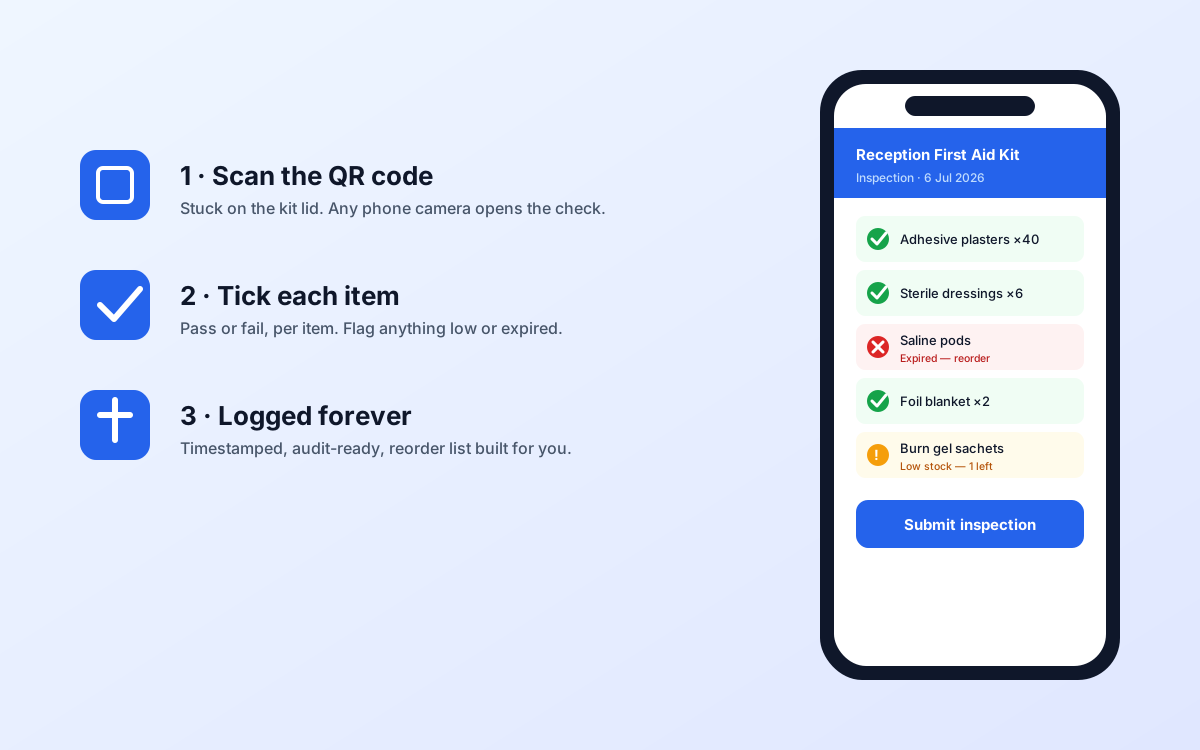
Helping someone through a hypo is a skill; keeping the provision behind your first-aiders in order is a routine. That is what KitCompliance does: track every first aid kit and its contents, every certificate and refresher due date, and log your checks in seconds — with reminders before anything lapses and a one-click report that proves your provision. See the getting-started guide to set it up.
Frequently asked questions
What should you do if a diabetic has a hypo at work?
If the person is conscious and can swallow, sit them down and give around 15–20g of fast-acting sugar — glucose tablets, a small glass of non-diet fizzy drink or fruit juice, or glucose gel. Wait 10–15 minutes; if they are no better, give the same again. Once they recover, give a longer-acting carbohydrate such as a sandwich or biscuits. Never give anything by mouth if they are drowsy or cannot swallow safely — place them in the recovery position and call 999.
How can you tell a hypo from a hyper?
A hypo (low blood sugar) usually comes on quickly with shaking, sweating, pale skin, hunger, confusion or slurred speech, and responds fast to sugar. A hyper (high blood sugar) develops slowly over hours or days with extreme thirst, frequent urination, tiredness and sometimes fruity-smelling breath. If you're not sure which it is, treat it as a hypo and give sugar — withholding sugar from a hypo is far more dangerous than a little extra sugar during a hyper.
When should you call 999 for a diabetic emergency?
Call 999 if the person becomes drowsy or unconscious, cannot swallow safely, has a seizure, does not improve after two doses of sugar, or shows signs of diabetic ketoacidosis (deep or rapid breathing, fruity-smelling breath, vomiting, abdominal pain, drowsiness). If they are unresponsive, put them in the recovery position, give nothing by mouth, and monitor breathing.
Can you give insulin or glucagon to a colleague?
No — as a workplace first-aider you should not administer insulin, and you should never inject a colleague unless there is an agreed personal plan naming someone to help. Insulin lowers blood sugar and would make a hypo worse. Otherwise, treat a conscious person with oral sugar and call 999 for anyone unconscious or unable to swallow.
Is a diabetic emergency at work reportable under RIDDOR?
Usually not. A hypo or hyper caused by the person's own diabetes, unconnected to the work, is not reportable. It becomes reportable only if a work activity caused or contributed to it, or it leads to a specified injury or more than seven days off work. Whatever the cause, always record it in your first aid treatment record and the accident book.