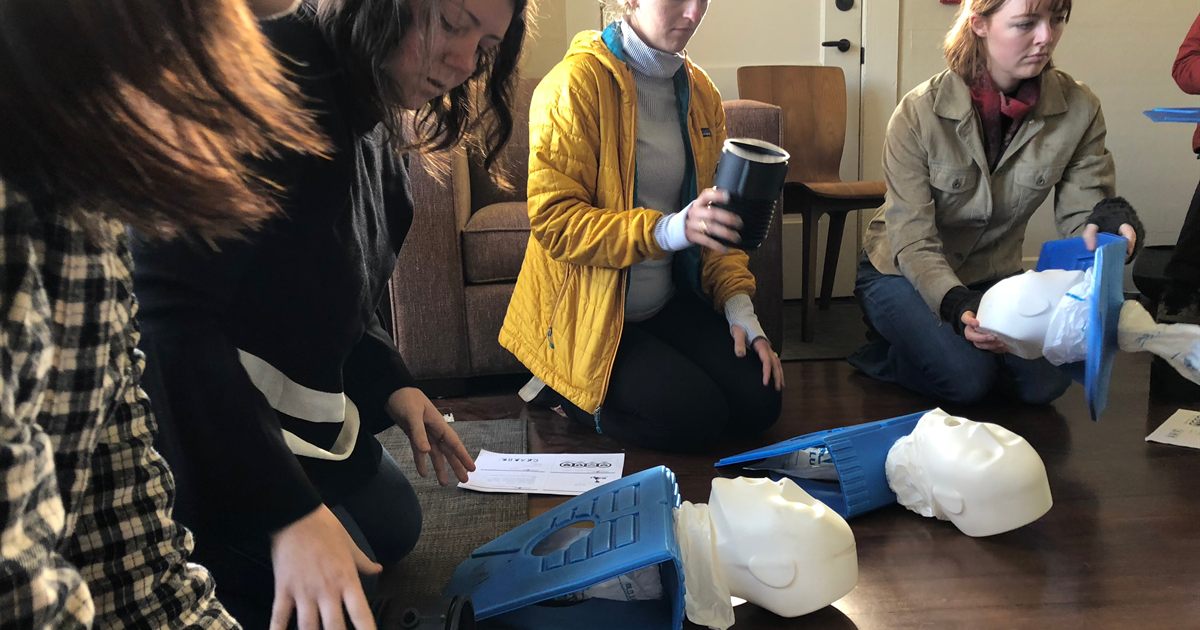
Every time a first-aider treats someone at work, that treatment should be written down. Not in the statutory accident book — that's a separate record — but in a first aid treatment record, sometimes called a first aid log book. It's one of the simplest bits of first aid admin, and one of the most commonly skipped. This guide covers what to log, how it differs from the accident book, the GDPR rules that apply, and how long to keep it.
Is a first aid treatment record a legal requirement?
Strictly, no. The Health and Safety (First-Aid) Regulations 1981 require "adequate and appropriate" provision but don't mandate a treatment log. However, HSE first aid guidance strongly recommends keeping a record of every incident that needed first aid — it's treated as good practice, and it does real work for you:
- It evidences your provision. A live record shows an inspector, auditor or ISO 45001 assessor that your first aid arrangements are actually working, not just written up in a needs assessment.
- It surfaces hazards. Three cuts a month at the same machine is a pattern you can only see if you're recording. Those patterns should feed straight back into your needs assessment and risk controls.
- It supports claims and reports. If an injury later becomes a RIDDOR report or a personal-injury claim, a contemporaneous record made at the time is far stronger evidence than anyone's memory months later.
- It keeps kits stocked. Logging what was used tells you what to restock.
Treatment record vs the accident book
These two are easy to confuse, but they serve different purposes and you'll often keep both.
| Accident book (BI 510) | First aid treatment record | |
|---|---|---|
| Status | Statutory for businesses with 10+ employees (social-security law) | Recommended good practice (HSE guidance) |
| Kept by | The employer | The first-aider / whoever gave treatment |
| Focus | That an accident happened, and its basic circumstances | What was wrong and exactly what treatment was given |
| Covers illness with no accident? | No — accidents only | Yes — e.g. someone who felt faint or had an allergic reaction |
For the full picture on the statutory side — the accident book and when an incident must be reported to the HSE under RIDDOR — see the accident book & RIDDOR guide.
What to record in a first aid log
Keep it brief but complete. A good entry captures who, when, where, what, and what happened next:
| Field | What to write |
|---|---|
| Date & time | When treatment was given |
| Name of casualty | Employee, contractor or visitor |
| Location & activity | Where it happened and the task being done |
| Injury / illness | Nature and rough severity (cut, burn, faint, sprain…) |
| Treatment given | What you did, and any kit items used |
| Outcome | Returned to work, sent home, referred to GP, or ambulance / hospital |
| First-aider | Name and signature of the person who treated |
GDPR: it's health data, treat it as such
A treatment record names a person and describes their injury or illness, so under UK GDPR it's special-category health data. That means:
- Keep it secure — a locked drawer or an access-controlled system, not a notebook left by the kit.
- Limit access to those who genuinely need it.
- Record only what's necessary — enough to be useful, no more.
- Keep entries separate so one person's details aren't on show to the next reader. This is exactly why the modern accident book uses removable, individually filed pages.
How long to keep first aid records
There's no single statutory retention period for the treatment record itself, but the sensible defaults are:
- At least three years from the date of the entry — this matches accident-book retention and the usual time limit for personal-injury claims.
- Longer for hazardous-substance exposure. Where an incident involves a substance that could cause delayed ill health, COSHH health records can need keeping for up to 40 years.
- Longer for under-18s. For young people, many employers keep the record until the person's 21st birthday to cover the extended claim window.
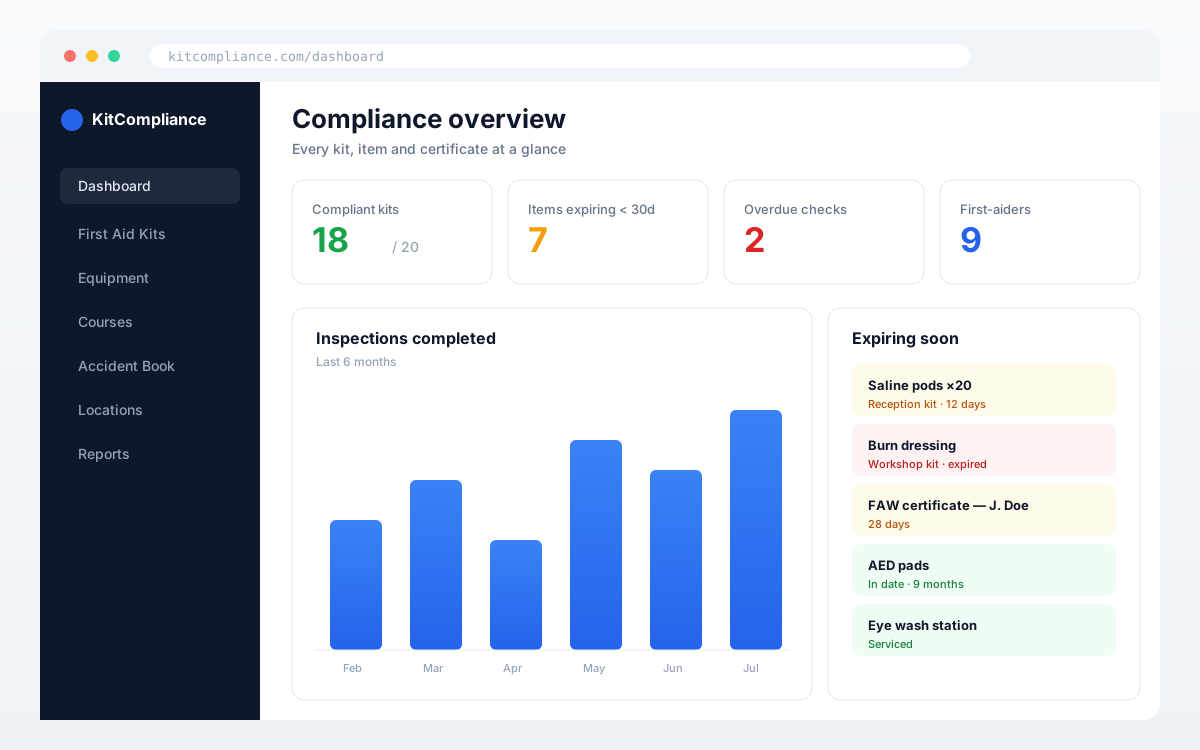
Treatment records, kit checks and certificates all tell the same story: that your first aid provision is real and provable. KitCompliance keeps them together — log an incident, flag the kit items used for reorder, and keep a secure, dated, searchable trail alongside your training records and inspections. When an auditor asks for evidence, it's one click, not an afternoon of digging. See the getting-started guide to set it up, and run the wider first aid compliance checklist to make sure nothing else has lapsed.
Frequently asked questions
Is a first aid treatment record a legal requirement?
No specific law forces one, but the HSE strongly recommends it as good practice. It helps you evidence adequate provision, spot trends for your needs assessment, and support any RIDDOR report or claim. It's separate from the statutory accident book.
What's the difference between a first aid record and the accident book?
The accident book (BI 510) is a statutory record of accidents, mainly for social-security purposes and required once you have 10+ employees. The treatment record is the first-aider's own log of the clinical detail — what was wrong and what treatment was given. Many workplaces keep both.
How long should first aid records be kept?
At least three years from the entry date, matching accident-book retention and personal-injury claim limits. Keep them longer for hazardous-substance exposure (up to 40 years under COSHH) or where the casualty is under 18.
Do GDPR rules apply?
Yes — it's special-category health data. Keep it secure, limit access, record only what's necessary, and store entries so one person's details aren't visible to others.