
A first aid kit only counts as "adequate and appropriate" — the legal test — while it's actually stocked and in date. This page gives you the two tools that keep it that way: a contents checklist of the workplace first aid essentials (it works the same whether you call it a first aid kit or a first aid box), and a four-step audit routine that takes about ten minutes per kit.
First aid box checklist: the workplace essentials
Based on the British Standard BS 8599-1 (medium kit). Tick quantity and condition — a crushed, opened or expired item counts as missing.
| ✓ | Item | Target qty | Date-marked? |
|---|---|---|---|
| ☐ | Guidance leaflet | 1 | — |
| ☐ | Adhesive plasters (assorted) | 60 | Yes |
| ☐ | Sterile eye pads | 3 | Yes |
| ☐ | Triangular bandages | 4 | — |
| ☐ | Safety pins | 12 | — |
| ☐ | Medium sterile dressings | 6 | Yes |
| ☐ | Large sterile dressings | 2 | Yes |
| ☐ | Sterile saline wipes | 20 | Yes |
| ☐ | Nitrile gloves (pairs) | 9 | Yes |
| ☐ | Finger dressings | 3 | Yes |
| ☐ | Foil blankets | 2 | — |
| ☐ | Burn dressings | 2 | Yes |
| ☐ | Clothing shears | 1 | — |
| ☐ | Sterile adhesive tape | 1 | Yes |
Quantities vary by kit size and risk — see the full guide to workplace first aid kit contents, or the kitchen first aid kit list if you run a catering environment (blue plasters, extra burn dressings).
How to audit a first aid kit in 10 minutes
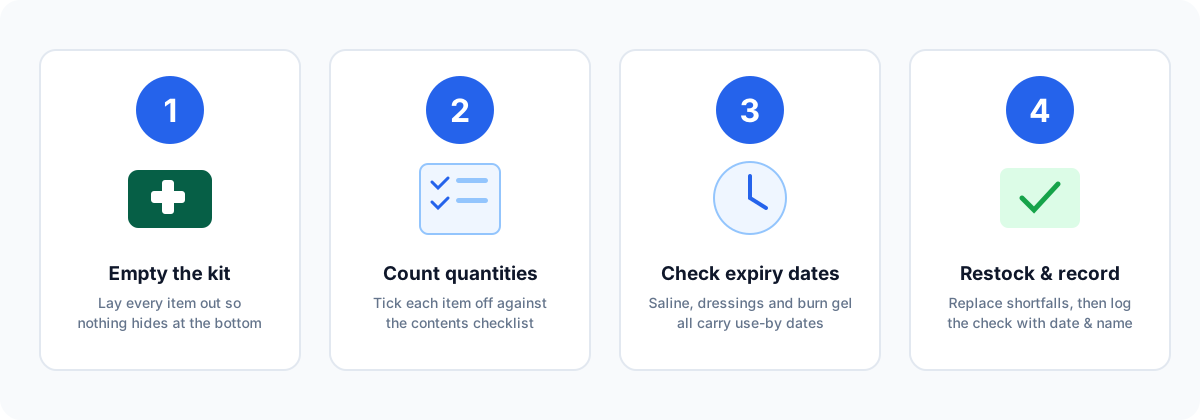
Step 1 — Empty the kit
Take everything out onto a clean surface. Don't audit by peering in the top: part-used dressings, opened wrappers and damp items hide at the bottom. While it's empty, wipe out the box and check the wall bracket and signage.
Step 2 — Count quantities against the checklist
Work through the table above, ticking each line. Plasters and gloves run down fastest; note every shortfall as you go rather than trusting memory. Also flag anything that shouldn't be there — a common audit finding is tablets or medicines someone has added to the kit, which HSE guidance says don't belong.
Step 3 — Check every expiry date
This is the step that fails audits. Sterile items — saline wipes, dressings, eye wash, burn gel — all carry use-by dates, and an expired sterile dressing is treated as no dressing at all. Flag anything expired or expiring before your next check, so it's replaced early rather than discovered late.
Step 4 — Restock and record
Replace shortfalls and expired items, repack, and write the check down: date, name, kit location, actions taken. The record is what turns a stocked kit into provable compliance — it's the first thing an inspector or ISO 45001 auditor asks for. How often to repeat all this? See how often first aid kits should be inspected — monthly for most sites, weekly for high-risk ones.
Prefer an app? What a first aid kit audit app does for you
Paper checklists work for one kit. They fall apart with five kits across two sites: sheets go missing, expiry dates live in someone's head, and nobody notices the van kit hasn't been checked since March. A first aid kit audit app like KitCompliance replaces the clipboard:
- Each kit gets its own digital checklist — built from the standard contents list, editable per kit.
- Scan a QR code on the kit to open its checklist, tick items pass/fail, done in minutes.
- Expiry dates are tracked per item, with email reminders before anything lapses.
- Every check is logged automatically — one click exports a PDF audit trail for inspectors.
- Multi-site dashboard shows which kits are overdue at a glance.
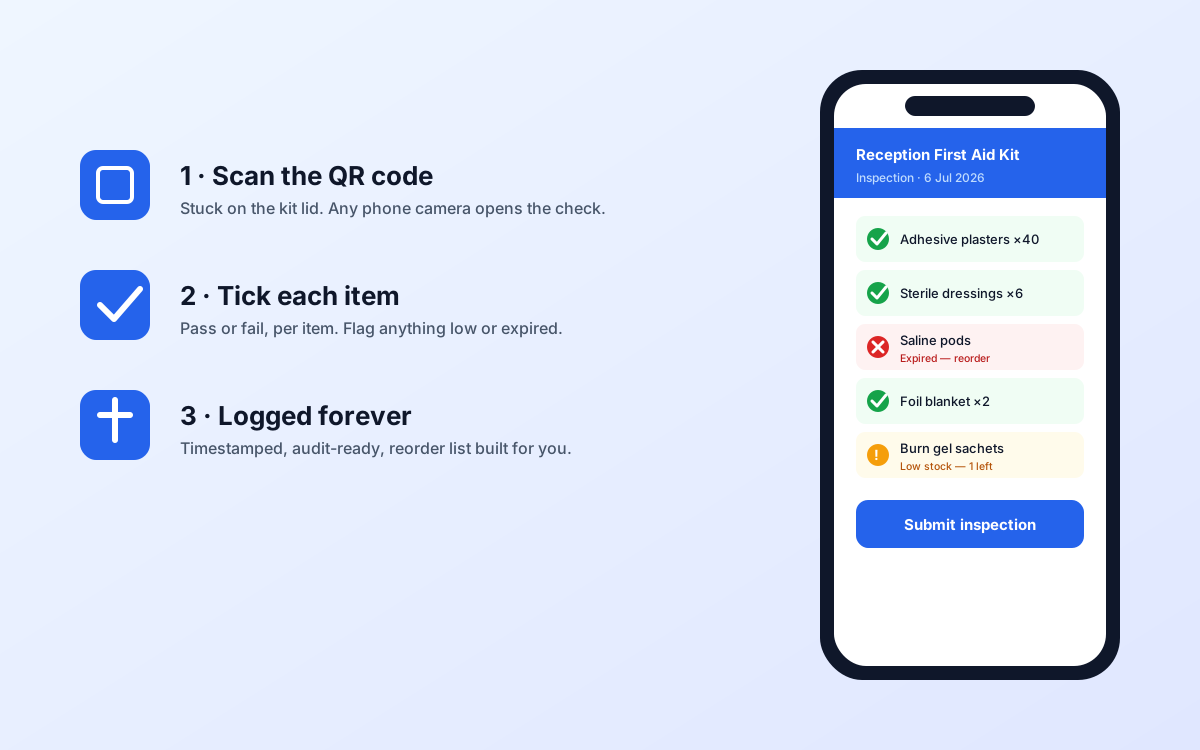
The free tier covers a single location — enough to retire the paper checklist today. Create your first kit checklist free.
Frequently asked questions
Is a first aid box checklist different from a first aid kit checklist?
No. "First aid box" and "first aid kit" mean the same thing in UK workplaces: a container stocked to BS 8599-1 or your needs assessment. Use the same checklist for wall-mounted boxes, grab bags and portable kits; only the quantities change with size.
How often should I run this checklist?
Monthly for most workplaces; weekly for high-risk sites like kitchens, workshops and construction. Always re-check immediately after the kit is used.
Who should do the check?
Usually the appointed person responsible for first-aid arrangements — see who is responsible for first aid at work. It doesn't need to be a trained first-aider.
Do I legally have to record the checks?
No specific record is prescribed, but you must be able to show provision is adequate and maintained — and a dated log is the only practical proof when an inspector asks.