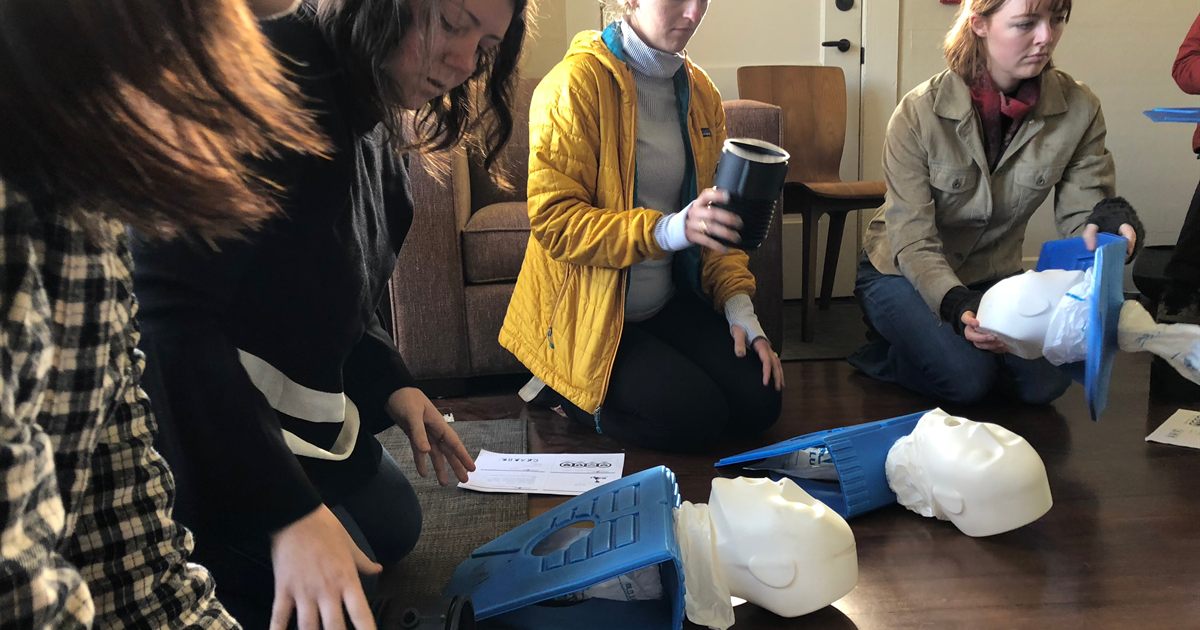
Most workplaces work out how many first-aiders they need, train exactly that many, and tick the box. Then July comes, two of them book the same fortnight off, a third is off sick, and for a week the site has no trained first aid cover at all. That gap is a compliance problem — and the law expects you to have planned for it.
Is holiday and sickness cover actually a legal duty?
Yes. The Regulations don't say "have a first-aider" — they say provide adequate and appropriate provision whenever people are at work. HSE guidance spells out the consequence: when you decide your first aid arrangements, you must consider cover for annual leave, sickness absence and unexpected absences, as well as time off for the first-aiders' own training. Provision that vanishes the moment one person is away was never adequate in the first place.
There is no fixed legal ratio and no "you must have X spares" rule. The number falls out of your assessment. But the principle is firm: an inspector looking at a week with zero trained cover will ask why you didn't foresee a predictable clash of holidays.
Why single-cover workplaces get caught out
The trap is training the exact minimum. If your assessment says you need one first-aider on site, training one person means your cover is zero every time that person is on leave, on a course, off sick, or has simply left. The common failure points:
- School-holiday clustering — several first-aiders are parents and all want the same weeks.
- Shift and night working — cover looks fine on paper but every trained person is on the day shift. See night shift & out-of-hours first aid cover for arranging cover on the quiet shifts.
- Multi-site or floors — one first-aider covering two buildings means neither is covered when they're at the other. If you run several locations, see first aid compliance across multiple sites for how to count cover per site.
- Silent certificate expiry — a first-aider is present but their certificate lapsed three months ago, so they no longer count.
- Turnover — someone trained leaves and no one notices the count dropped until there's an incident.
How much spare cover do you need?
There's no legal formula, but a workable approach is to treat the number from your needs assessment as the minimum that must be present, then train above it:
| Situation | Practical cover approach |
|---|---|
| Low-risk, single site, one shift | Train at least one more first-aider than the minimum, so leave or sickness never leaves you with none. |
| Multiple shifts or night working | Ensure the minimum cover is met on every shift, not just across the day — plus a spare per shift. |
| Multiple sites, floors or remote areas | Cover each area independently; don't count one person twice. See lone worker first aid for isolated staff. |
| Higher-risk work (construction, manufacturing) | Larger margin — higher injury likelihood means a gap matters more, so carry more trained spares. |
Can an appointed person cover a gap?
Sometimes — but know the limit. An appointed person can take charge in an emergency, call an ambulance and look after the first aid kit, but they are not trained to give first aid. In a genuinely low-risk workplace, an appointed person can bridge a short, foreseeable gap. But if your assessment requires a trained first-aider, an appointed person is a stopgap, not a replacement. For who is legally on the hook, see who is responsible for first aid at work.
Build a simple cover rota
Five steps to make cover something you plan, not something you discover:
- Fix the minimum. From your needs assessment, state the minimum trained first-aiders required per shift, per area.
- Train a margin. Qualify more people than the minimum so leave and sickness can't drop you below it.
- Map people to time. Put first-aiders against shifts and booked holidays so any short day shows up before it arrives.
- Agree a fallback. Decide in advance what happens if cover still slips — a trained agency first-aider, moving work, or an appointed person for a low-risk stopgap.
- Watch expiry dates. Track every certificate's expiry and book refresher training early, so no one silently drops off the count.
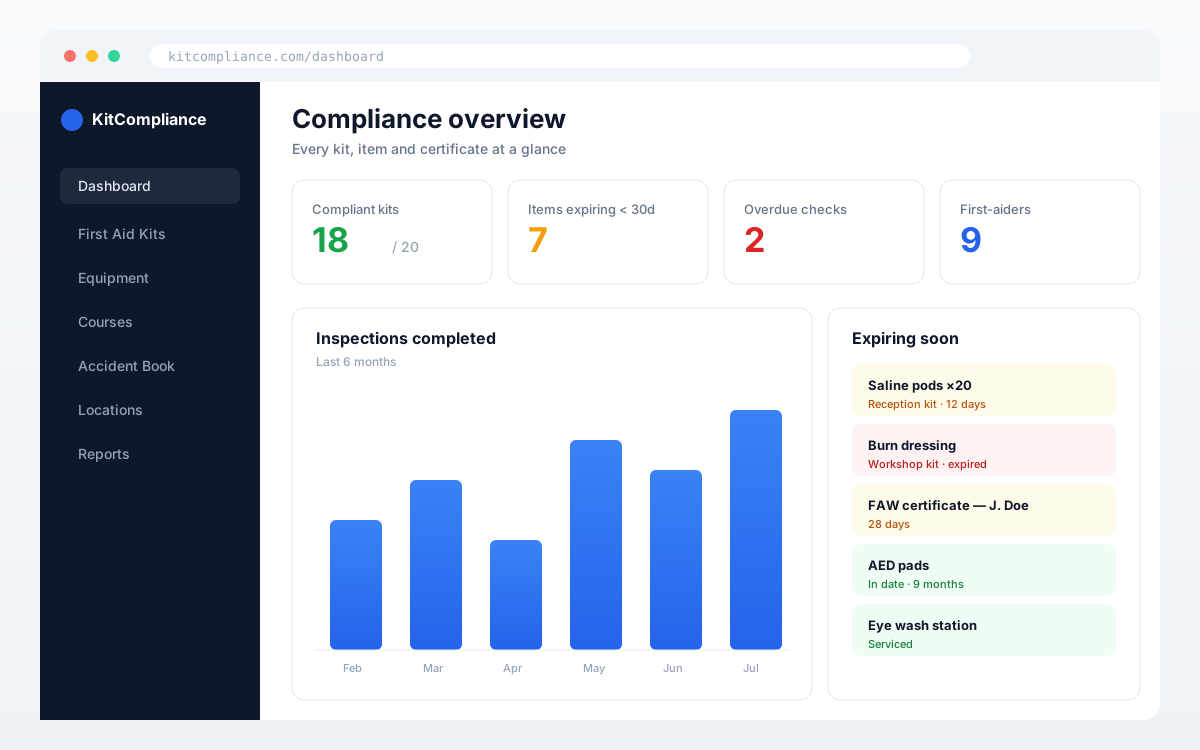
The hardest part of cover isn't the rota — it's keeping the underlying record true as people are trained, requalify, or leave. That's exactly what KitCompliance tracks: every first-aider, every certificate and its expiry date, and every kit that backs them up, with reminders before a qualification lapses and a one-click report that proves your provision. Start from your needs assessment, record who's trained, and never be surprised by a July holiday clash again. See the getting-started guide to set it up.
Frequently asked questions
Do I legally need first aid cover when my first-aider is on holiday?
Yes. The 1981 Regulations require adequate provision at all times people are at work, and HSE guidance says you must arrange cover for annual leave, sickness and training absences. Cover that disappears when one person is away isn't adequate.
How many first-aiders do I need to cover holidays and sickness?
There's no fixed number. Train more than the minimum your needs assessment sets — often at least one spare beyond the minimum required on any shift, and more across multiple sites or shift patterns.
Can an appointed person cover for an absent first-aider?
Only in a low-risk workplace and only for short, foreseeable gaps. An appointed person can take charge and call for help but isn't trained to give first aid, so they can't replace a required first-aider.
What happens if we have no first aid cover for a day?
It's a compliance gap and a real risk. If it emerged that you knowingly ran below the cover your assessment required, you couldn't show your provision was adequate. Plan cover ahead rather than reacting to clashes.