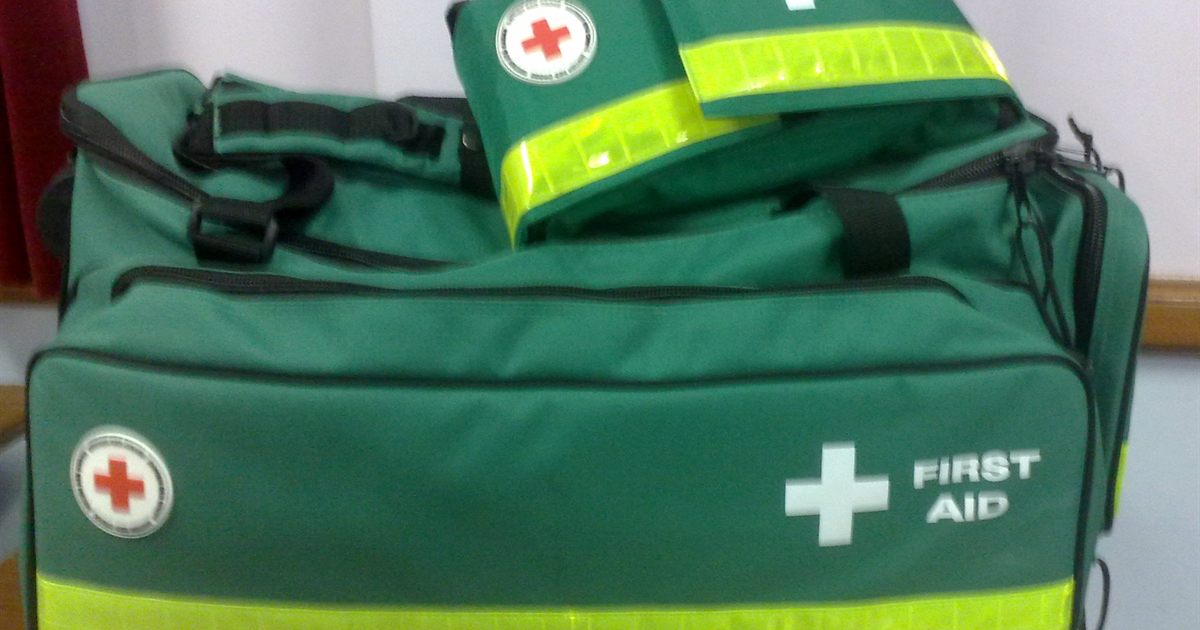
First aid provision is easy to picture in a busy office — a green box on the wall, a named first-aider two desks over. It gets harder when someone works alone: a home worker, a delivery driver, a mobile engineer, a night cleaner, the only person on a small shop floor. There is no colleague to fetch the kit or call an ambulance. UK law still applies to that person, and your needs assessment has to say how they are covered. (Many lone workers are also self-employed, which carries its own first aid duty.)
Who counts as a lone worker?
The HSE defines lone workers as those who work by themselves without close or direct supervision. It's a broader group than most employers realise:
- Home and remote workers — anyone working from home or a satellite location on their own (see remote & home workers first aid requirements).
- Mobile and travelling workers — engineers, surveyors, care and support workers, sales reps, delivery and HGV drivers. Anyone travelling for the business, especially on a trip or overseas, needs provision for the journey as well as the destination.
- Fixed sites staffed by one person — a single-staff shop, kiosk, petrol station, reception or security post.
- Out-of-hours staff — cleaners, maintenance and security who work nights or weekends when the building is otherwise empty, or a hotel night porter on duty alone — see night shift & out-of-hours first aid cover.
- Workers separated on a large site — someone in a remote store, plant room or outbuilding, out of sight and earshot of colleagues.
- Farm and agricultural workers — often alone in a field, barn or yard far from help, on the UK's highest-risk work. See farm first aid requirements.
What does the law require?
There is no separate "lone worker first aid law". The 1981 First-Aid Regulations require every employer to provide "adequate and appropriate" equipment, facilities and people for all employees — and the Management of Health and Safety at Work Regulations 1999 require you to assess the risks of working alone. Put together, that means your first aid needs assessment must consider lone workers specifically and record what you've decided for them. You can't simply point at the kit on the office wall if the person is never in the office.
The two things almost every lone worker needs
1. A personal first aid kit
A wall-mounted box is no use to someone on the road or in a customer's home. Give each lone worker a personal or travel-size kit they keep with them. A small BS 8599-1 workplace kit is a sensible baseline; anyone who drives for work should also carry a BS 8599-2 vehicle kit. Scale the contents to the hazards — a lone care worker and a lone groundworker need different things.
| Item | Why a lone worker needs it |
|---|---|
| Assorted plasters & sterile dressings | Treat the everyday cuts and grazes that are the majority of incidents, with no colleague to hand them over. |
| Nitrile gloves & cleansing wipes | Basic hygiene when working away from washing facilities. |
| Triangular bandage & safety pins | Support a sprain or slow bleeding until help arrives. |
| Foil / emergency blanket | Retain body heat if the worker is stuck outdoors or immobile. |
| Resealable first aid guidance leaflet | Prompts correct self-help when no trained colleague is present. |
See what should be in a workplace first aid kit for the full BS 8599-1 list, and remember a personal kit still needs regular inspection and in-date contents — items used solo in a vehicle boot are easy to forget.
2. A way to raise the alarm
The single biggest risk for a lone worker isn't the injury — it's being unable to summon help. Your assessment should set out how the person calls for assistance, matched to the risk:
- Low risk — a charged mobile phone with reliable signal and stored emergency contacts may be enough.
- Medium risk — a scheduled check-in or "buddy" system, where the worker confirms they're safe at set intervals and an escalation kicks in if they miss one.
- Higher risk / remote — a dedicated lone worker device or app with an SOS button and automatic fall or no-movement detection that alerts a 24/7 monitoring centre with the worker's location.
Do lone workers need first aid training?
It depends on the risk. Because a lone worker can't rely on a colleague, self-help matters more than usual. For higher-risk lone work the HSE recommends first-aid training so the person can treat themselves and stay safe until help arrives. For low-risk lone work, having an appointed person reachable elsewhere plus a solid way to raise the alarm can be enough. Whichever you choose, it should fall out of the assessment, not a guess — for the wider picture of who does what, see who is responsible for first aid at work.
A lone worker first aid checklist
Work through this for each lone-working role and record the answers in your needs assessment:
| Check | Your answer |
|---|---|
| Which roles work alone or off-site? | … |
| Main hazards of each role | … |
| Personal / travel first aid kit issued? | … |
| Vehicle kit for drivers? | … |
| How the worker raises the alarm | … |
| Mobile signal / dead-spot check | … |
| First aid training level (if any) | … |
| Kit inspection & restock schedule | … |
| Assessed by / date / review date | … |
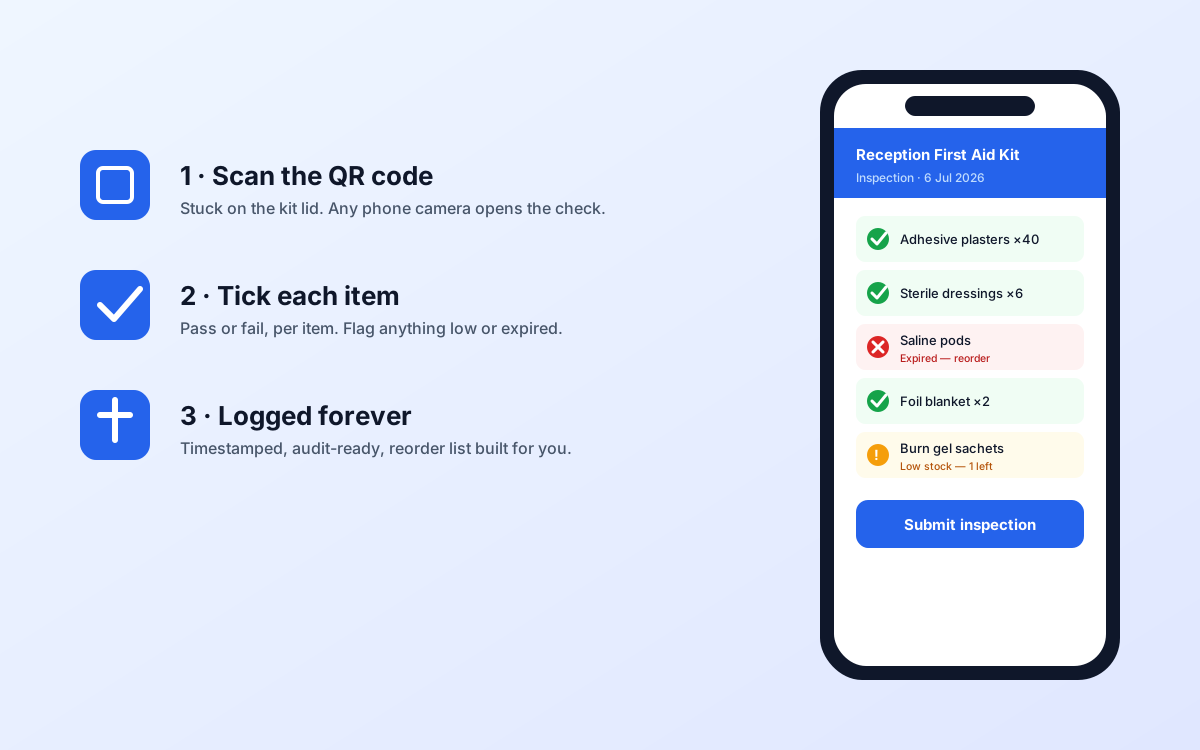
The hardest part of lone worker first aid isn't deciding what's needed — it's keeping dozens of personal and vehicle kits, spread across vans, homes and remote sites, stocked and in date. That's exactly what KitCompliance is for: register every kit, build it from the BS 8599-1 / ISO 45001 list, log inspections in seconds, and get reminders before any item expires — with a one-click report that proves each lone worker was covered. See the getting-started guide to set it up.
Frequently asked questions
Do lone workers legally need first aid provision?
Yes. The 1981 First-Aid Regulations cover every employee, including those working alone or off-site. Your needs assessment must consider lone and remote workers specifically and decide what's adequate — usually a personal kit and a reliable way to raise the alarm.
What should a lone worker first aid kit contain?
A personal or travel-size BS 8599-1 kit is a good baseline: plasters, sterile dressings, wipes, gloves, a triangular bandage, a foil blanket and a first aid guide. Drivers should also carry a BS 8599-2 vehicle kit. Match the contents to the role's hazards.
How can a lone worker call for help if they're injured?
Provide a means matched to the risk: a charged phone with signal, a scheduled check-in or buddy system, or a lone worker device with an SOS button and automatic fall / no-movement detection linked to a monitoring centre.
Does a lone worker need to be a trained first-aider?
Not always. Because there's no colleague to help, self-help matters more — the HSE recommends training for higher-risk lone work. For low-risk lone work, an appointed person elsewhere plus a way to raise the alarm may be enough. Let the assessment decide.