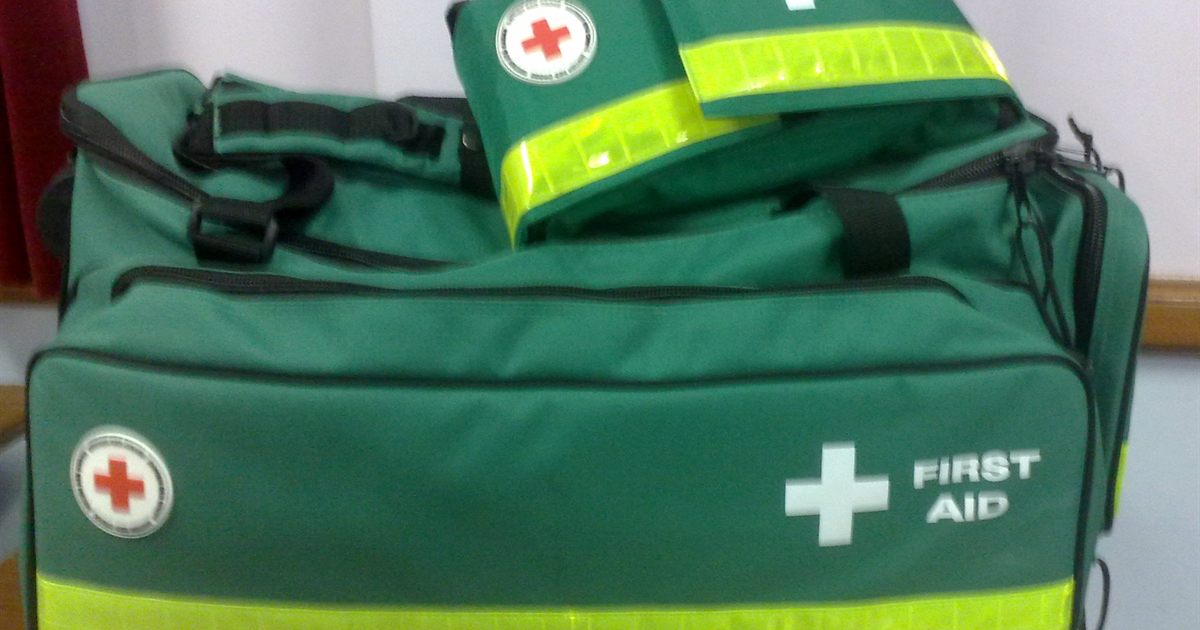
Hybrid and home working is now normal, but first-aid duties did not stay at the office. The Health and Safety (First-Aid) Regulations 1981 follow the worker, not the postcode — so if you employ people who work from home, on the road or on other people's sites, your duty to make "adequate and appropriate" provision covers them too. This guide explains what that means in practice for a dispersed workforce, and how to cover it without over-engineering it.
Does first aid law cover people working from home?
It does. The 1981 Regulations require every employer to provide adequate and appropriate first-aid equipment, facilities and personnel so that employees can be given immediate help if they are injured or taken ill at work — and "at work" includes work carried out at home or off-site. Your duty of care as an employer does not stop at the front door of the office.
What it does not mean is that you must control every hazard inside a private home or install equipment there. You are responsible for the risks of the work activity you ask someone to do — not for their domestic life. The task is to weigh those work-related risks and put proportionate arrangements in place.
Home, hybrid, mobile — the risks differ
"Remote worker" covers very different situations, and each carries its own first-aid needs:
| Type of worker | Typical first-aid considerations |
|---|---|
| Home / hybrid office worker | Mostly low-risk (screen work, minor cuts, slips). A small personal kit and guidance on calling help is usually enough. |
| Mobile / field worker (driving between sites) | Add a BS 8599-2 vehicle first aid kit and treat road and site hazards on their merits. |
| Worker on a client or third-party site | Agree whose first-aid arrangements apply; a personal kit backs up the host's provision. Common for the self-employed and contractors. |
| Home worker using tools or higher-hazard equipment | Fuller kit, possible burn or eye-wash provision, and often first-aid training matched to the specific hazard. |
What to put in a homeworker first aid kit
There is no legal "homeworker kit" list — you match the contents to the risk, exactly as you would for an on-site kit. For typical low-risk home working, a small personal kit is proportionate:
- Assorted individually-wrapped plasters (hypoallergenic)
- A couple of sterile dressings in different sizes
- Sterile cleansing wipes
- Disposable nitrile gloves
- A triangular bandage and micro-porous tape
- A first-aid guidance leaflet
Skip anything you are not trained to use, and remember a kit is only useful if it is in date — dressings and wipes carry expiry dates, and a kit sitting in a spare room is easy to forget when it comes to inspection.
How to cover a dispersed workforce
Work through it the same way you would for a site:
- Assess — add every home, hybrid and mobile worker to your needs assessment and record the real hazards of what each one does.
- Equip — issue a personal kit (and a vehicle kit for drivers), sized to the risk rather than a blanket minimum.
- Inform — give clear written guidance on what to do in an emergency, who to contact, and how to call 999 with a location.
- Train — offer first-aid training where the risk warrants it; for higher-hazard field work it may be essential.
- Record — keep a central log of who holds which kit, what is in it and when items expire, and review it as roles change.
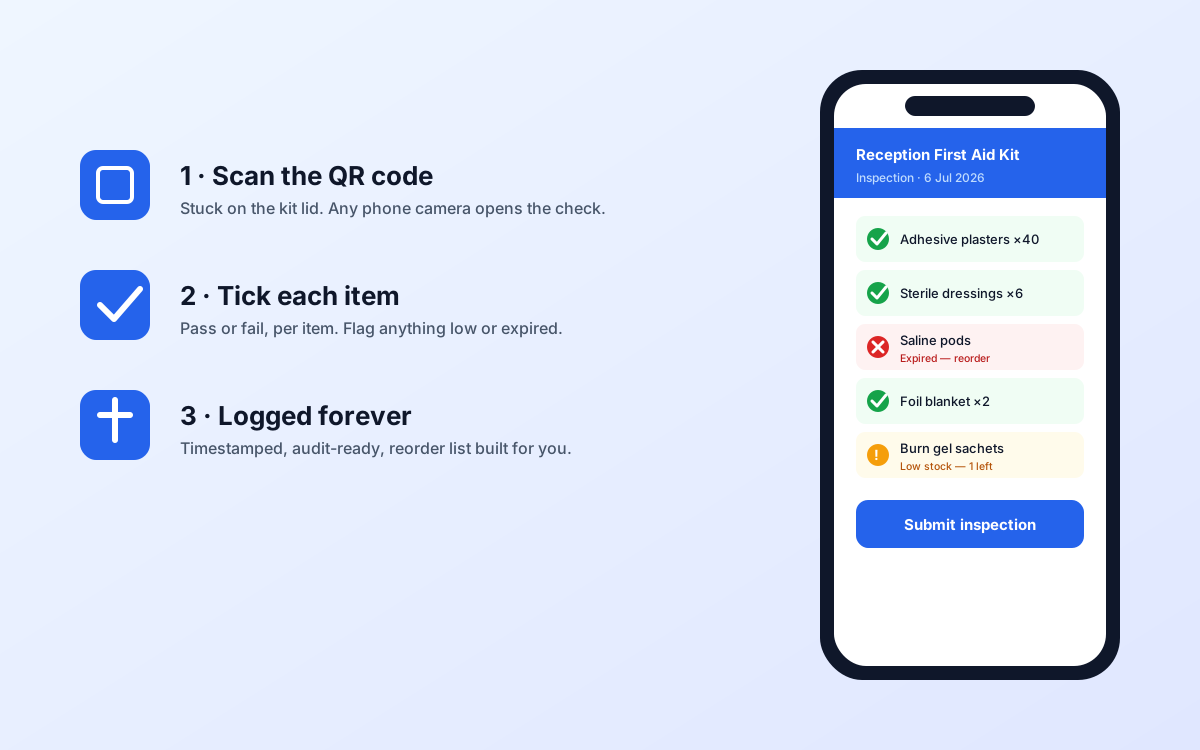
The hard part of remote first aid is not the law — it is visibility. Kits scattered across dozens of homes, cars and client sites are almost impossible to keep stocked and in date on a spreadsheet. That is exactly what KitCompliance is built for: log every kit wherever it lives, track its contents and expiry dates, record checks in seconds, and get reminders before anything lapses — with a one-click report that proves your provision for your whole workforce, not just head office. See the getting-started guide to set it up.
Frequently asked questions
Do employers have to provide first aid for home workers?
Yes. The 1981 Regulations apply to home and remote workers the same as on-site staff. You must provide "adequate and appropriate" first-aid equipment and information based on the risks each worker faces — usually a personal kit and clear guidance, decided through your needs assessment.
What should be in a homeworker first aid kit?
For most low-risk home working: plasters, sterile dressings, cleansing wipes, disposable gloves, a triangular bandage, tape and a guidance leaflet. Scale it up for anyone doing higher-hazard tasks.
Are remote workers classed as lone workers?
Often, yes. Working alone at home or on the road with no colleague nearby makes someone a lone worker, so how they raise the alarm and get help matters on top of basic kit provision.
Who is responsible if a home worker is injured while working?
The employer's duty of care extends to work done at home. You are responsible for the risks of the work activity and for adequate first-aid arrangements — though not for every hazard in a private home. A work-related injury at home may also be reportable under RIDDOR.