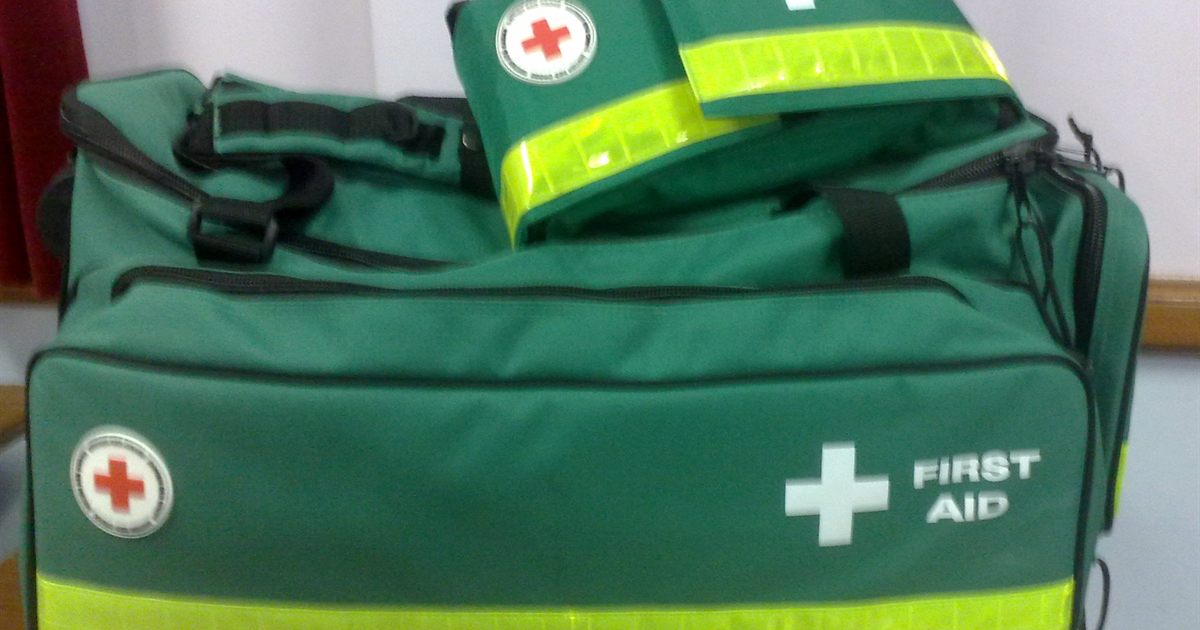
Most workplace first aid advice assumes you have staff, a building and an HR department. If you're a sole trader, contractor or freelancer, none of that fits — but the law still has something to say about first aid, and it's easy to get the level wrong in either direction. This guide sets out exactly what the self-employed have to do, what's just sensible, and the single change that flips you into full employer first aid duties.
What the law actually requires
The Health and Safety (First-Aid) Regulations 1981 are the core rule. For a self-employed person working alone, the duty is narrow: provide such first-aid equipment as is adequate and appropriate to enable you to render first aid to yourself while at work. That's it — there's no legal requirement to hold a certificate, name a first-aider or keep formal records when you employ nobody.
"Adequate and appropriate" is deliberately not a fixed list, because a self-employed bookkeeper and a self-employed roofer face completely different risks. You decide the level by looking honestly at your own work — the same first aid needs assessment an employer does, just scaled to one person. A couple of lines in a notebook is enough to show you've thought it through.
Matching your kit to your work
The right kit depends on what you do and where you do it. Work through these:
| Your situation | Sensible first aid provision |
|---|---|
| Low-risk, mostly at a desk or client offices | A small personal or travel kit: assorted plasters, a couple of sterile dressings, wipes, gloves, tape and a guidance leaflet. |
| Mobile / driving between jobs | A BS 8599-2 vehicle first aid kit kept in the van or car, plus a personal kit you carry onto site. |
| Higher-risk trade (construction, electrical, catering) | A fuller kit sized to the hazard — burn dressings, larger wound dressings, eye wash where dust or chemicals are involved — and basic first aid training is well worth doing. |
| Working alone or remotely | Everything above, plus a reliable way to raise the alarm — see lone worker first aid requirements. |
There's no legal "self-employed kit contents list", but the standard workplace kit contents are a good reference point — take the personal-travel or small size and adjust for your trade. Whatever you pick, it only helps if it's in date: dressings and antiseptic wipes have expiry dates, so check the kit periodically rather than assuming it's fine.
Working on someone else's site
If you're a contractor on a client's premises or a shared construction site, first aid is usually a shared arrangement. The controller of the site (often the principal contractor) provides the site-wide first aid cover, but you're still responsible for your own personal provision and for knowing where the site kit and first-aiders are. Ask during induction, and don't assume the host's arrangements automatically cover you — confirm it.
The moment everything changes: hiring your first person
This is the trap. The self-employed "just look after yourself" rule only holds while you employ nobody. The moment you take on an employee — even one part-time, casual or apprentice — you become an employer for first-aid purposes and the full duties switch on:
- Provide enough first aid kits for the work and the people.
- Appoint at least an appointed person to take charge of first-aid arrangements, or trained first-aiders if the risk warrants it.
- Carry out and record a proper needs assessment, and tell staff about the arrangements with first aid signage.
If you're heading that way, our small business first aid requirements guide covers the jump from sole trader to employer in full, and who is responsible for first aid at work explains the roles.
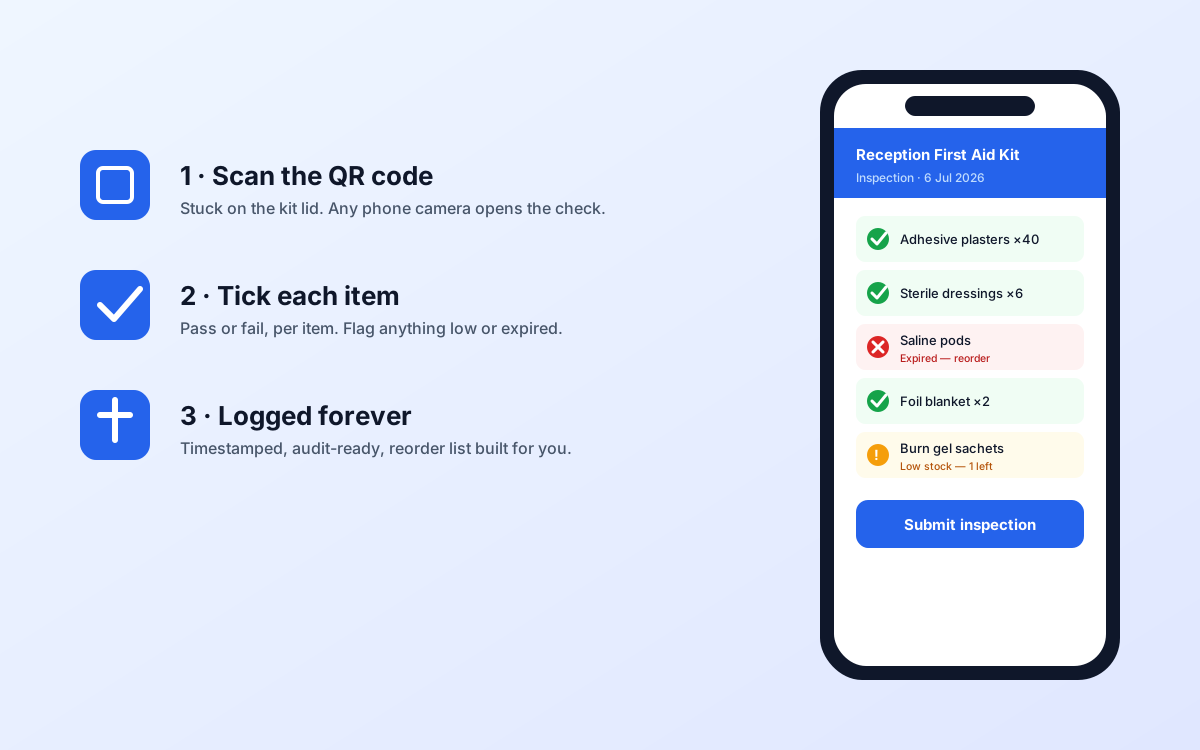
Whether it's one travel kit today or several once you've hired, KitCompliance keeps the boring part handled: build your kit from a suggested list, log a check in seconds, and get a reminder before a dressing or wipe expires — with a one-click record that proves your provision if anyone ever asks. See the getting-started guide to set it up.
Frequently asked questions
Do self-employed people need a first aid kit by law?
Yes. The 1981 Regulations require a self-employed person to provide first-aid equipment that is adequate and appropriate to give first aid to themselves at work. How much you need depends on the risk of the work.
What should be in a self-employed first aid kit?
At minimum a small personal or travel kit — plasters, sterile dressings, wipes, gloves, tape, a leaflet — scaled up for higher-risk trades and topped with a BS 8599-2 vehicle kit if you drive for work.
Does a sole trader with no employees need a first-aider?
No. With no employees the only duty is first-aid equipment for yourself; there's no requirement to train or appoint a first-aider, though basic training is sensible for higher-risk work.
When do full employer first aid duties apply?
As soon as you employ anyone. From that point you must provide adequate and appropriate first aid for your staff, including kits, an appointed person or first-aiders, information and a needs assessment.