
Burns and scalds are one of the most common serious injuries in UK workplaces — kitchens, cafés and catering above all, but also welding, hot-work, laboratories and any job near steam, ovens, hot oil or chemicals. Get the first few minutes right and a nasty scald can heal cleanly; get them wrong and you risk permanent scarring. This guide covers two things: exactly how to treat a burn at work, and what your workplace needs to have in place — burns dressings and, on higher-risk sites, a burns kit — to be compliant.
How to treat a burn or scald at work
The HSE and NHS approach is simple to remember: cool, call, cover. Work through it in order and don't rush the cooling — it's the single most important step.
- Stop the burning & make it safe. Move the person away from the heat, switch off equipment if you safely can, and protect yourself first — you're no use as a second casualty.
- Cool for at least 20 minutes under cool or lukewarm running water, as soon as possible after the injury. Not ice, not iced water, not creams, butter or any grease.
- Remove tight items early. While cooling, gently take off watches, rings, belts and clothing near the burn before swelling starts — but leave anything stuck to the skin alone.
- Cover the burn after cooling, loosely, with cling film laid lengthways (not wrapped tight) or a sterile, non-fluffy burns dressing. This keeps it clean and eases the pain.
- Call 999 and keep them warm. Get emergency help for any serious burn (see below), keep the rest of the body warm to avoid hypothermia, and treat for shock if needed.
When does a burn need hospital?
Call 999 or send the person to A&E for any of these:
- A burn larger than the casualty's hand, or any deep or full-thickness burn (skin that looks white, brown, charred or leathery).
- All chemical and electrical burns, and any burn to the airway (breathing difficulty, soot around the mouth, a hoarse voice).
- Burns to the face, hands, feet, genitals or a joint, and any burn on a child or an at-risk adult.
Deep or extensive burns, and any burn that requires hospital treatment, are also reportable under RIDDOR, so log the details in your accident book and RIDDOR record once the person is cared for.
What goes in a burns first aid kit?
A standalone workplace burns kit is built to cool and cover quickly. A typical kit contains:
| Item | Why it's there |
|---|---|
| Sterile burns dressings (small, medium, large) | Non-adherent, non-fluffy dressings to cover the burn once cooled. |
| Hydrogel burns gel (sachets or bottle) | Cools and soothes when running water isn't immediately to hand — a bridge, not a replacement for 20 minutes of water. |
| Cling film | Clean, loose covering that doesn't stick to the wound and lets staff see it. |
| Blunt-ended scissors | To cut away loose clothing from around the burn. |
| Non-latex disposable gloves | Infection control for the first-aider and casualty. |
| Foil / emergency blanket | Keeps the rest of the body warm to prevent hypothermia. |
Which workplaces need extra burns provision?
There's no regulation that names a burns kit — like everything in UK first aid, it comes back to your first aid needs assessment and the duty to provide "adequate and appropriate" equipment under the Health and Safety (First-Aid) Regulations 1981. If your assessment flags a genuine burn risk, plain burns dressings in a general kit may not be enough. Sites that typically add a burns kit include:
- Catering and hospitality — hot oil, steam, ovens and hobs. See kitchen first aid kit contents and restaurant first aid requirements.
- Manufacturing, welding & hot-work — molten metal, sparks, hot surfaces and radiant heat.
- Labs and sites using chemicals — corrosive substances that cause chemical burns, paired with an eyewash station. See laboratory first aid requirements.
- Hair & beauty salons — hot tongs, dryers, depilatory wax and chemical burns from bleach and colour. See salon first aid requirements.
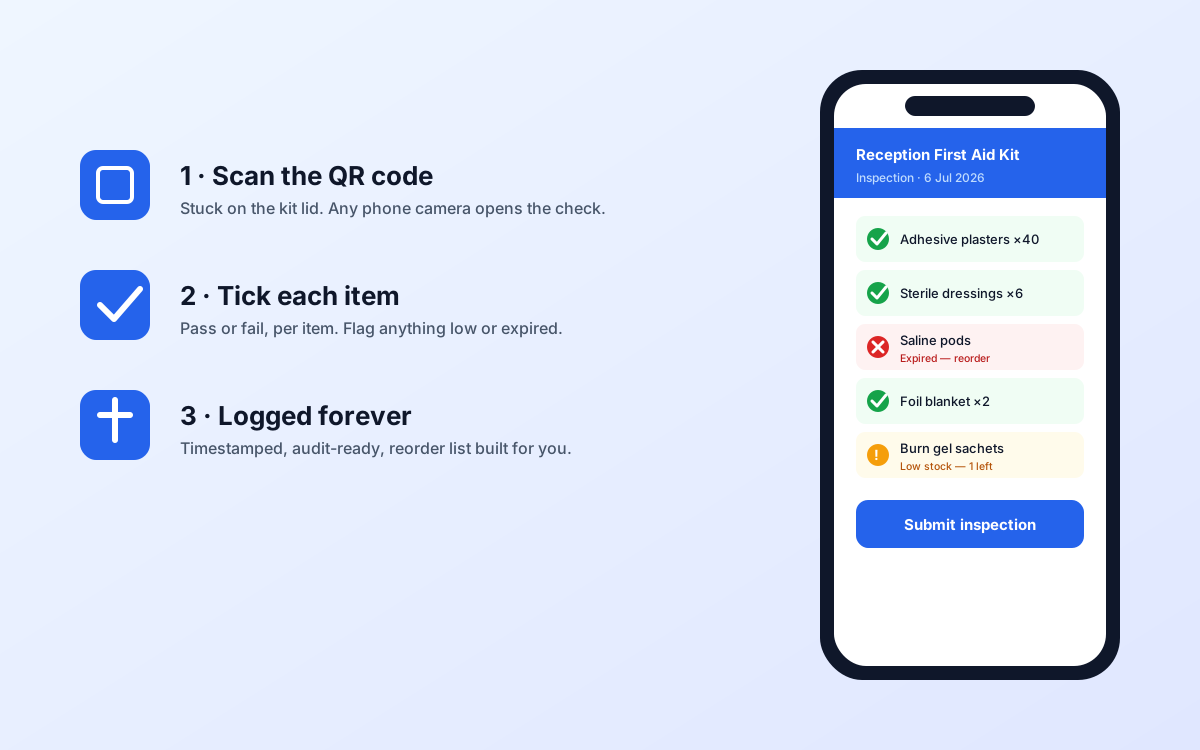
Deciding you need a burns kit is the easy part. The harder part is making sure it's actually there and in date on the day it's needed — burns dressings and hydrogel have expiry dates, and a used dressing has to be replaced. That's exactly what KitCompliance is for: build each kit from the recommended list, log inspections in seconds, and get a reminder before any burns dressing expires, with a one-click report that proves your provision. See the getting-started guide to set it up.
Frequently asked questions
Do UK workplaces need a burns first aid kit?
No rule names one specifically, but the 1981 Regulations require "adequate and appropriate" provision decided by a needs assessment. Any site with a real burn risk — catering, hot processes, welding, chemicals — should carry burns dressings, and higher-risk sites usually add a dedicated burns kit.
How long should you cool a burn for?
At least 20 minutes under cool or lukewarm running water, starting as soon as possible. Never use ice, iced water, butter, creams or grease, and keep the rest of the person warm.
What goes in a burns first aid kit?
Several sizes of sterile burns dressings, a burns gel sachet or bottle, cling film, blunt scissors, non-latex gloves and a foil blanket. BS 8599-1 kits already include burns dressings; a standalone kit adds extra capacity.
When should a burn at work go to hospital?
For any burn larger than the casualty's hand, any deep, chemical or electrical burn, burns to the airway, face, hands, feet or genitals, and any burn to a child. Deep or hospital-treated burns are also reportable under RIDDOR.