Electric shock is one of the workplace injuries where the first thing you do matters most — and where rushing in gets rescuers hurt too. Anywhere with electrical equipment, power tools, machinery, damaged cables or wet conditions carries the risk, from offices to construction sites and factories. This guide covers two things: exactly how to treat an electric shock at work, and what UK employers must have in place to be compliant — from RIDDOR reporting to first-aid provision.
How to treat an electric shock at work
The order matters. Making the scene safe comes before touching the casualty — always.
- Break the contact safely. Do not touch the person while they are still in contact with the electricity. Switch off the supply at the socket, isolator or main breaker. If you cannot cut low-voltage power, stand on something dry and use a non-conductive object — a dry wooden broom or chair — to push the source away. Never use anything metal or damp.
- Keep well clear of high voltage. Overhead lines, substations and industrial supplies can arc across a gap. Stay at least 18 metres back, keep others away, and wait for the network operator to isolate it — do not assume it is dead.
- Call 999 (or 112) once it is safe, for anything more than a minor shock. Electricity can disturb the heart, so err on the side of calling.
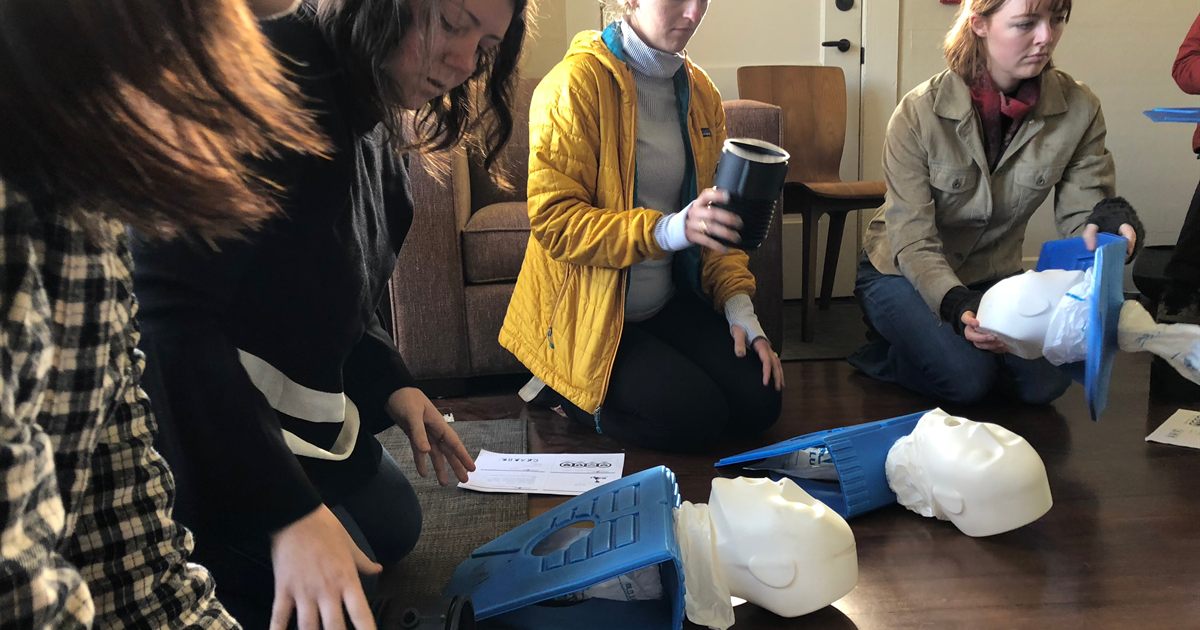
- Check response and breathing. If the person is not breathing normally, start CPR immediately and send someone for the nearest AED. An electric shock is a classic cause of cardiac arrest, and early defibrillation saves lives.
- Treat burns and injuries. Electricity often leaves entry and exit burns — cool them under running water and cover loosely (see burns first aid at work). A shock can also throw someone off a ladder, so check for fractures or a head injury from a fall.
- Monitor and hand over. Keep the person still and warm, keep watching their breathing, and tell the ambulance crew what happened and the voltage involved.
When an electric shock needs hospital
Because the heart can be affected with a delay, treat electric shock more cautiously than the visible injury suggests. Call 999 or get the person to A&E for any of these:
- Any high-voltage shock, or a shock that caused the person to lose consciousness — even briefly.
- Burns, chest pain, an irregular or racing heartbeat, breathing difficulty, numbness or muscle pain.
- A shock to a pregnant worker, or anyone with a heart condition, and any shock that crossed the body (hand to hand or hand to foot).
Even a worker who feels fine after a mains shock should be checked, as a dangerous heart rhythm can develop in the hours afterwards.
Is an electric shock reportable under RIDDOR?
Often, yes. Under the Reporting of Injuries, Diseases and Dangerous Occurrences Regulations 2013, an electric shock at work can be reportable in several ways:
- Specified injury — a shock that leaves the worker unconscious, needs resuscitation, or leads to admission to hospital for more than 24 hours.
- Over-seven-day injury — a shock that keeps someone off their normal work for more than seven consecutive days.
- Dangerous occurrence — an electrical short circuit or overload that causes a fire or explosion, whether or not anyone was hurt.
Record every shock in your accident book, then decide whether it also meets the RIDDOR threshold and report it to the HSE within the required timescale. Keeping a first aid treatment record of what was done helps evidence both.
The employer's first-aid duty for electrical risk
Electrical hazards feed straight into your first aid needs assessment. Where the work involves electricity — plant, power tools, testing, wet environments — the assessment should reflect a higher risk, which usually means:
- FAW-trained first-aiders rather than an appointed person alone, so someone on site can manage an unconscious casualty and give CPR.
- Considering an on-site defibrillator (AED), especially on larger, higher-risk or remote sites where an ambulance is minutes away at best.
- Kits stocked for burns, and clear signage so everyone knows where the kit, the AED and the first-aider are.
Prevention sits alongside first aid: the Electricity at Work Regulations 1989 require electrical systems and equipment to be safe, which is where routine inspection, testing and RCD protection come in. Good first-aid provision is the backstop for when something still goes wrong.
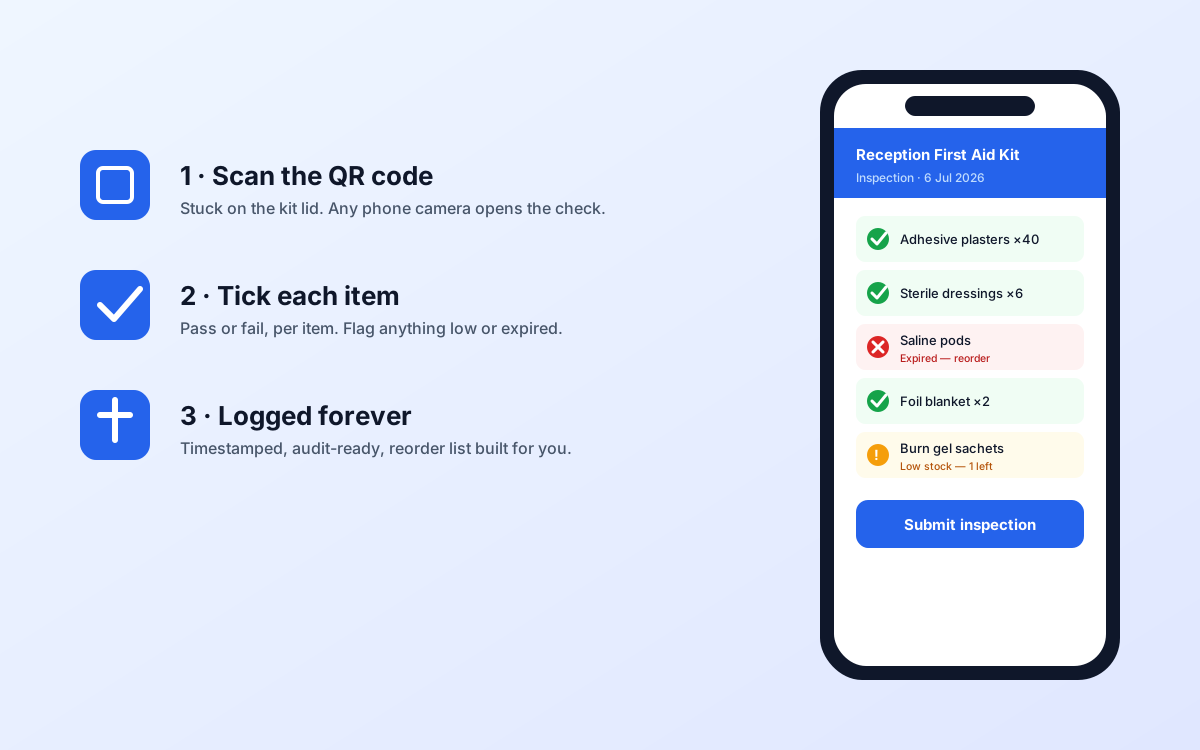
Knowing the steps is half of it — the other half is that the equipment is actually there and ready. That's what KitCompliance is for: build each kit from the ISO 45001 suggested list, log inspections and AED checks in seconds, and get reminders before a burns dressing, defibrillator pad or first-aid certificate lapses — with a one-click report that proves your provision. See the getting-started guide to set it up.
Frequently asked questions
Can you touch someone who is being electrocuted?
No — not while they are still in contact with the current, or you risk becoming a second casualty. Switch off the supply at the socket, isolator or mains first. Only if you cannot cut low-voltage power should you use a dry, non-conductive object such as a wooden broom to break the contact. For high-voltage current, stay at least 18 metres back and wait for the network operator.
Should you always call 999 after an electric shock?
Call 999 for anything more than a trivial shock — and always for high-voltage shocks, anyone knocked out, or anyone with burns, chest pain or an irregular heartbeat. Electricity can disturb the heart with a delay, so a person who seems fine can still need hospital.
Is an electric shock at work reportable under RIDDOR?
It can be. A shock that leaves a worker unconscious or needing resuscitation, or that leads to a hospital stay over 24 hours, is a reportable specified injury; more than seven days off normal work is an over-seven-day injury; and electrical faults causing fire or explosion are dangerous occurrences. Record every shock in your accident book.
Does a workplace need a defibrillator for electric shock risk?
There's no blanket legal requirement, but electric shock can cause cardiac arrest, and an AED used in the first minutes greatly improves survival. If your needs assessment identifies a real electrical or cardiac risk — or a remote site — providing one is a sensible and increasingly expected control.