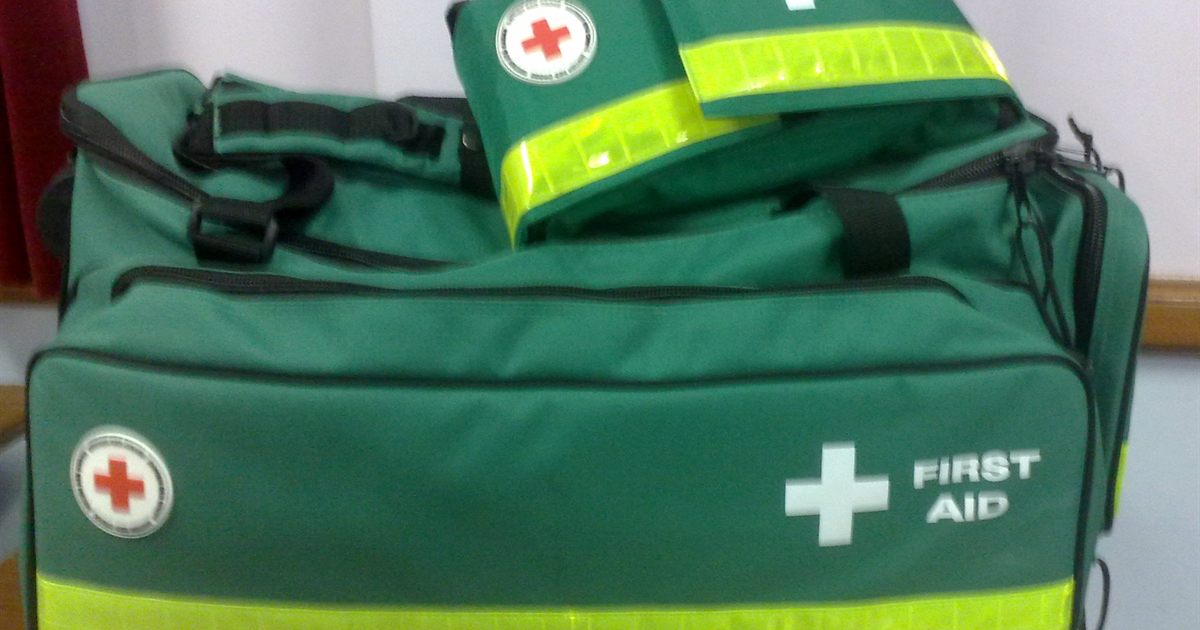
A hotel is one of the harder workplaces to cover for first aid — and one of the easiest to get wrong on paper. It runs 24 hours a day, mixes low-risk office-style roles with a high-risk commercial kitchen and often a pool or spa, and is full of guests and members of the public who can be injured or fall ill at any hour. This guide explains what UK hotels must do for first aid, the hazards to plan for department by department, how many first-aiders and kits you need, and the records the HSE and your Environmental Health Officer expect to see.
Do hotels legally have to provide first aid?
Yes. Every employer in Great Britain, a hotel included, must meet the Health and Safety (First-Aid) Regulations 1981: provide adequate and appropriate first-aid equipment, facilities and personnel so employees can be given immediate help if they are injured or taken ill at work. What "adequate and appropriate" means is not spelled out — a 12-room guesthouse and a 300-room conference hotel are very different — so the law asks you to work it out through a needs assessment and evidence your reasoning.
The Regulations technically cover employees, not guests. But the HSE strongly recommends that businesses with the public on site include them in their first-aid provision — and in hospitality, where guests eat, drink, swim and sleep on your premises, that is not really optional. A guest who collapses in the lobby at 2am is your responsibility to help, and your provision will be judged on whether you could.
Why hotels are treated as higher-risk
Many people assume a hotel is a low-risk, hospitality-and-office environment. Parts of it are. But most hotels contain at least one genuinely higher-risk operation, and your assessment has to reflect the highest-risk area, not the average:
| Area | Main first-aid hazards to plan for |
|---|---|
| Commercial kitchen | Burns and scalds, deep knife cuts, hot oil, slips on wet floors, allergen reactions. Treated as higher-risk — see restaurant & catering first aid and a catering kit's contents. |
| Reception & front of house | Guest collapses and cardiac events, fainting, choking in the restaurant or bar, and manual handling of luggage. |
| Housekeeping | Slips, trips and falls, manual handling, cleaning-chemical splashes to the eyes, and lone working across floors. |
| Leisure — pool, spa, gym | Drowning and near-drowning, slips on wet tiling, cardiac events, and injuries in the gym. Pools need resuscitation-trained staff and an AED nearby. |
| Maintenance & plant | Working at height, electrical work, boilers and pool plant chemicals — potentially the highest-hazard tasks on site. |
24/7 cover: the issue hotels get wrong most
First-aid cover has to be available whenever people are at work. A hotel never closes, so your provision cannot be a daytime arrangement. The classic failure is a rota where every trained first-aider works Monday–Friday days, leaving the night shift — often a lone night porter or duty manager — with no cover at all. That is precisely when a guest emergency is hardest to handle and help is slowest to arrive.
Build your rota so that on every shift you have, at minimum:
- one trained first-aider (or, for a genuinely low-risk small site, an appointed person who can take charge and call an ambulance);
- someone who knows where every kit and the AED are, and how to direct paramedics to the right part of the building;
- a way for a lone night worker to summon help if they are the casualty.
How many first-aiders does a hotel need?
There is no fixed legal ratio — it comes out of your needs assessment (for the full breakdown by headcount and risk level, see how many first-aiders you need). As a widely used HSE rule of thumb, higher-risk workplaces should have at least one FAW-trained first-aider for 5–50 staff and one more for every extra 50. But in a hotel the binding constraint is usually coverage, not headcount: you need enough trained people that every shift is covered even when someone is on holiday or off sick.
A practical approach is to train several first-aiders across departments and shift patterns — typically duty managers, receptionists and a senior kitchen or leisure team member — so cover never depends on one person turning up. First-aid certificates last three years, so track renewals well ahead of expiry; see how long a first aid certificate lasts.
First aid kits: how many and where
A single kit behind reception will not do for a multi-storey building. Your assessment should place kits so one is within easy reach of every work area on every floor. For most hotels that means, at least:
- Reception / front office — the hub, and where guest incidents are reported.
- Kitchen — a catering-specific kit with extra burn dressings, kept away from food-prep contamination.
- Housekeeping — kits on the trolleys or one per floor for staff working alone across guest rooms.
- Leisure / poolside — plus rescue and resuscitation equipment and quick AED access.
- Maintenance / back of house — near the highest hazards, including eye wash where cleaning or pool chemicals are handled.
Choose kit sizes from your risk level and the number of people in each area — see BS 8599-1 kit sizes and how many kits you need. Put up first-aid signs so staff and guests can find them.
Recording incidents: accident book and RIDDOR
Hotels see a steady stream of minor incidents — guest slips, staff cuts, allergic reactions — and every one should be logged in your accident book. Some are also reportable to the HSE under RIDDOR: certain injuries to workers, and — importantly for hospitality — incidents involving members of the public who are taken directly to hospital for treatment. A guest injured on your premises and taken to A&E can be a RIDDOR-reportable event, so train duty managers to recognise and report them.
Food allergens and the EHO angle
Anaphylaxis is a first-aid emergency your restaurant and bar staff must be ready for. Alongside your Natasha's Law allergen controls, make sure front-of-house and kitchen staff know the signs of a severe allergic reaction and how to respond while an ambulance is called. Your Environmental Health Officer will look at food-safety management, but a joined-up hotel treats allergen response as part of first-aid readiness too.
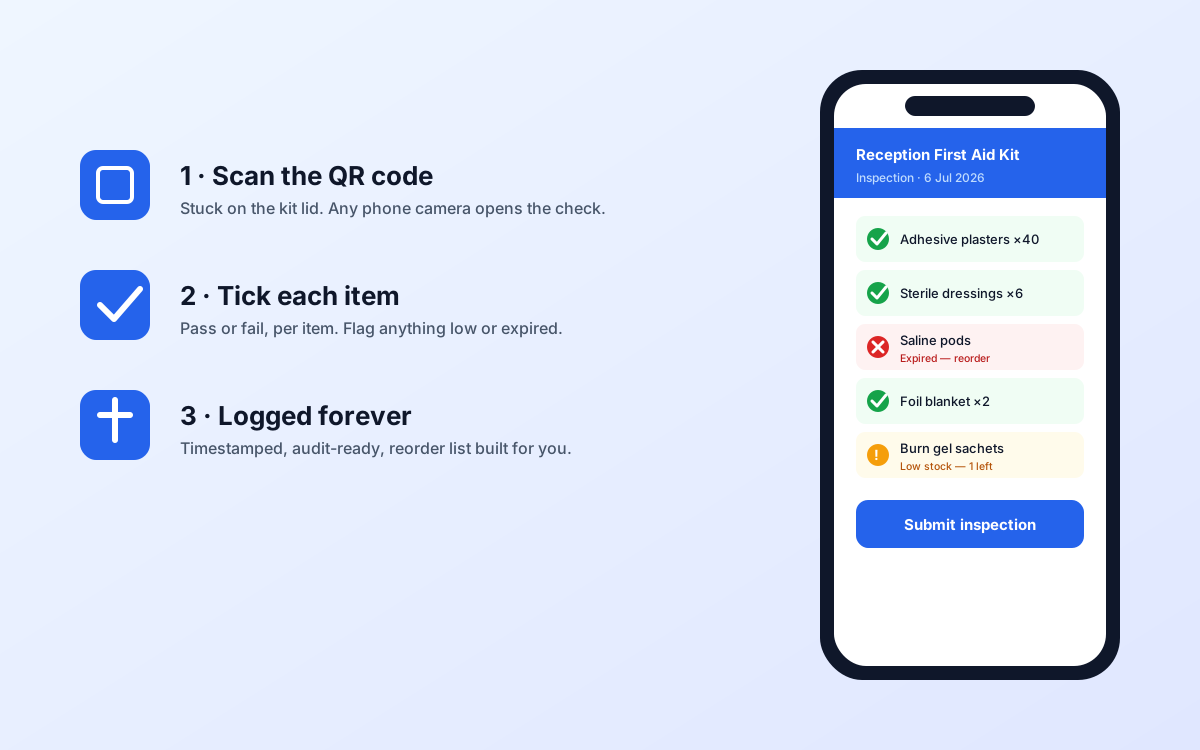
The hard part of hotel first aid isn't deciding what you need — it's keeping it true across a big, busy, 24-hour building where kits get raided, certificates lapse and no one owns the whole picture. That's what KitCompliance is built for: register every kit by department and floor, record inspections in seconds, track each first-aider's certificate expiry, and get reminders before anything lapses — with a one-click report that proves your provision to an HSE inspector or EHO. See the getting-started guide to set it up.
Frequently asked questions
Are hotels legally required to provide first aid?
Yes. The 1981 Regulations require every employer, hotels included, to provide adequate and appropriate first aid for staff, set by a needs assessment. Because hotels host guests and the public around the clock, the HSE strongly recommends extending provision to cover them too.
Does a hotel need a first aider on every shift, including nights?
In effect, yes. Cover must exist whenever people are at work, so a 24/7 hotel needs a trained first-aider or at least an appointed person on every shift — including nights and weekends when only one or two staff are on duty.
How many first aiders does a hotel need?
There's no fixed ratio; it follows the needs assessment. Most hotels are higher-risk because of the kitchen and leisure areas, so they need FAW-trained first-aiders and enough of them to cover every shift plus holidays and sickness.
Does a hotel with a pool need extra provision?
Yes — a pool or spa adds drowning, slip and cardiac risks, so consider poolside rescue equipment, resuscitation-trained staff and quick AED access. HSE guidance HSG179 covers managing swimming pools.
Who is responsible for first aid in a hotel?
The employer — the operator or owner — holds the duty, usually delegated to a general or duty manager who keeps kits stocked, first-aiders trained and cover in place on every shift.