A first aid kit treats the person. A body fluid spill kit deals with what's left on the floor — blood, vomit, urine or other fluid — safely, so whoever cleans it up isn't exposed to infection. It's one of the most commonly missed items on a compliance list: not named in a single headline regulation, but expected almost anywhere the public are present or injuries and illness are likely. This guide covers when you need one, what the law expects, what goes inside, and how to use it.
What is a body fluid spill kit?
A body fluid spill kit is a self-contained pack of protective equipment, absorbent material and disinfectant designed to clean up and safely dispose of a spill of blood or other body fluid. The goal is to solidify the liquid, remove it, disinfect the surface and bag the waste for clinical disposal — all without the person cleaning up coming into contact with a potential infection risk such as hepatitis B, hepatitis C or HIV.
It is a separate item from your first aid kit. One treats an injured person; the other handles the aftermath. Because a workplace that treats injuries will sometimes produce a spill, many sites store the two together but count, stock and inspect them separately.
Is a body fluid spill kit a legal requirement?
There is no regulation that says "you must have a body fluid spill kit" by name. The duty is indirect but real. The Control of Substances Hazardous to Health (COSHH) Regulations 2002 require employers to assess and control exposure to hazardous substances, and biological agents in body fluids — blood-borne viruses in particular — fall squarely within that. The Health and Safety at Work etc. Act 1974 adds the general duty to protect employees and others so far as is reasonably practicable.
So the question isn't "does a law name the kit", it's "does my assessment show a foreseeable spill risk". For most workplaces open to the public, and effectively all care homes, schools, nurseries, catering, gyms, hotels, healthcare and cleaning settings, the answer is yes — and a spill kit is the practical, expected control. Record the decision in your risk assessment so you can evidence it.
What goes in a body fluid spill kit?
Contents vary by supplier, but a compliant kit almost always includes:
| Item | Purpose |
|---|---|
| Disposable gloves & apron | Personal protective equipment (PPE) so the fluid never touches skin or clothing. A face mask is often included too. |
| Absorbent granules or gel | Solidify the liquid so it can be scooped up rather than spread or splashed. |
| Scoop & scraper | Lift the solidified waste off the surface without hand contact. |
| Disinfectant / chlorine-releasing agent | Kill remaining pathogens on the surface. This is the part with an expiry date. |
| Clinical (yellow) waste bag & tie | Contain the waste for correct clinical/offensive-waste disposal. |
| Instruction card | Step-by-step guidance so anyone can use the kit under pressure. |
Single-use kits hold enough for one spill and are sealed — once opened, they're replaced. Multi-application kits carry larger quantities of granules, disinfectant and PPE for several clean-ups, and suit busier sites. Match the type to how often you realistically expect spills, and where.
How to clean up a body fluid spill
Train staff on the steps before they need them. The instruction card in the kit walks through the same sequence:
- Protect the area and yourself. Keep people away and put on the gloves and apron before touching anything.
- Absorb the fluid. Cover it with the granules or gel until it solidifies, then scrape it into the waste bag with the scoop and scraper.
- Disinfect the surface. Wipe with the supplied disinfectant, working from the outside in, and leave it for the stated contact time.
- Bag and seal the waste. Put all used materials, gloves and apron into the yellow clinical waste bag and seal it — never the general bin.
- Dispose of it correctly. Route the sealed bag through your licensed clinical/offensive-waste collection.
- Wash, restock and record. Wash your hands thoroughly, replace the used kit immediately, and log the spill in your accident/incident records.
How many do you need, and where?
There's no fixed ratio — it comes out of the same reasoning as how many first aid kits you need. Put a spill kit within quick reach of the areas where a spill is most likely: reception and public areas, toilets, kitchens and dining areas, treatment or care rooms, changing rooms, and any place first aid is regularly given. Larger or multi-floor sites need more, and each separate building or site should be assessed on its own. Store them somewhere obvious, signed and unlocked so they're usable in the moment.
Keeping spill kits compliant
A spill kit only counts if it's complete and in date. The disinfectant or chlorine agent degrades and carries an expiry; single-use kits are sealed for one use. Fold spill kits into the same routine as your other equipment — check them when you inspect your first aid kits: confirm the seal is intact, nothing's missing, and the active ingredient hasn't lapsed. Replace any kit the moment it's opened or used, and record the check so you can evidence it.
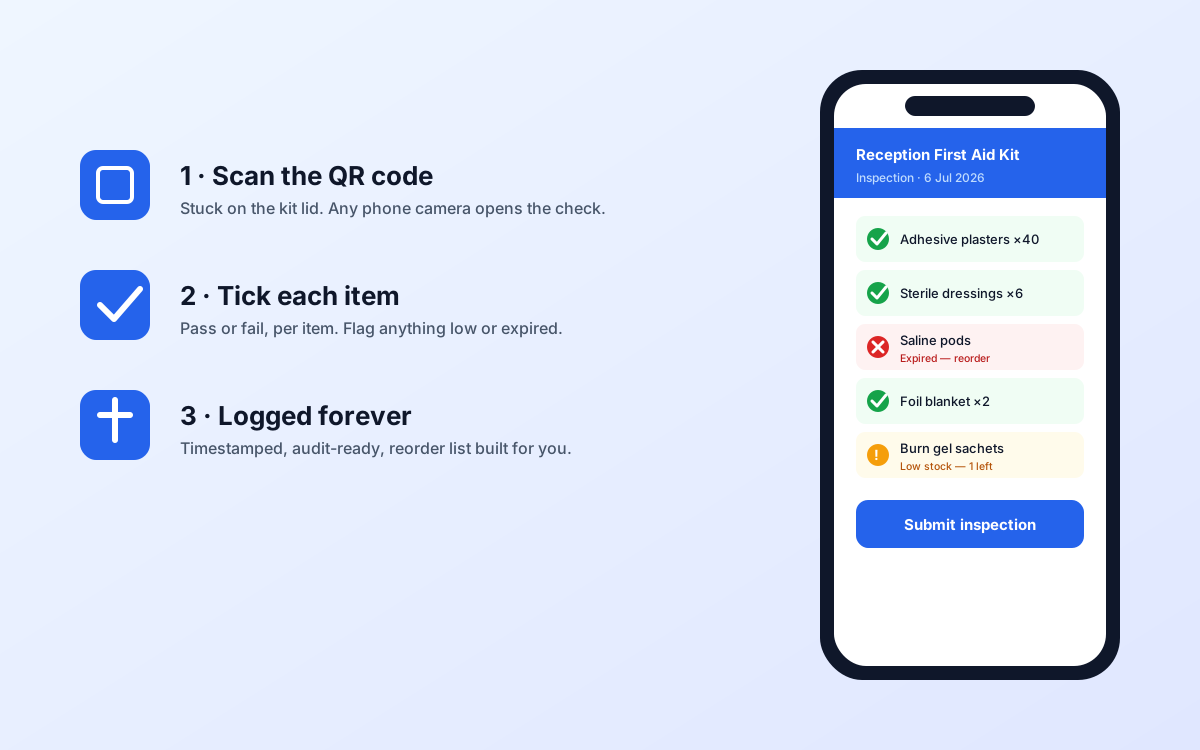
Body fluid spill kits are exactly the kind of item that quietly lapses: bought once, tucked in a cupboard, and forgotten until the disinfectant is years out of date. KitCompliance lets you add each spill kit and its contents alongside your first aid kits, log inspections in seconds, and get a reminder before the active ingredient expires — with a one-click report that proves the whole lot is stocked and in date. See the getting-started guide to set it up.
Frequently asked questions
Is a body fluid spill kit a legal requirement in the UK?
No single regulation names it, but COSHH 2002 requires you to control exposure to hazardous substances, including blood-borne viruses in body fluids. If your risk or needs assessment shows a realistic spill risk — true of most public-facing, care, catering and education settings — a spill kit is the practical way to meet that duty.
What goes in a body fluid spill kit?
Disposable gloves and apron, absorbent granules or gel, a scoop and scraper, a disinfectant or chlorine-releasing agent, a clinical (yellow) waste bag, and usually a face mask and instruction card.
How is it different from a first aid kit?
A first aid kit treats an injured or ill person; a spill kit safely cleans up and disposes of the fluid left behind. They're separate items — keep and stock both.
Do body fluid spill kits expire?
Yes. The disinfectant loses effectiveness and carries an expiry date, and single-use kits are sealed for one use. Check the active ingredient's date and replace any opened or used kit.