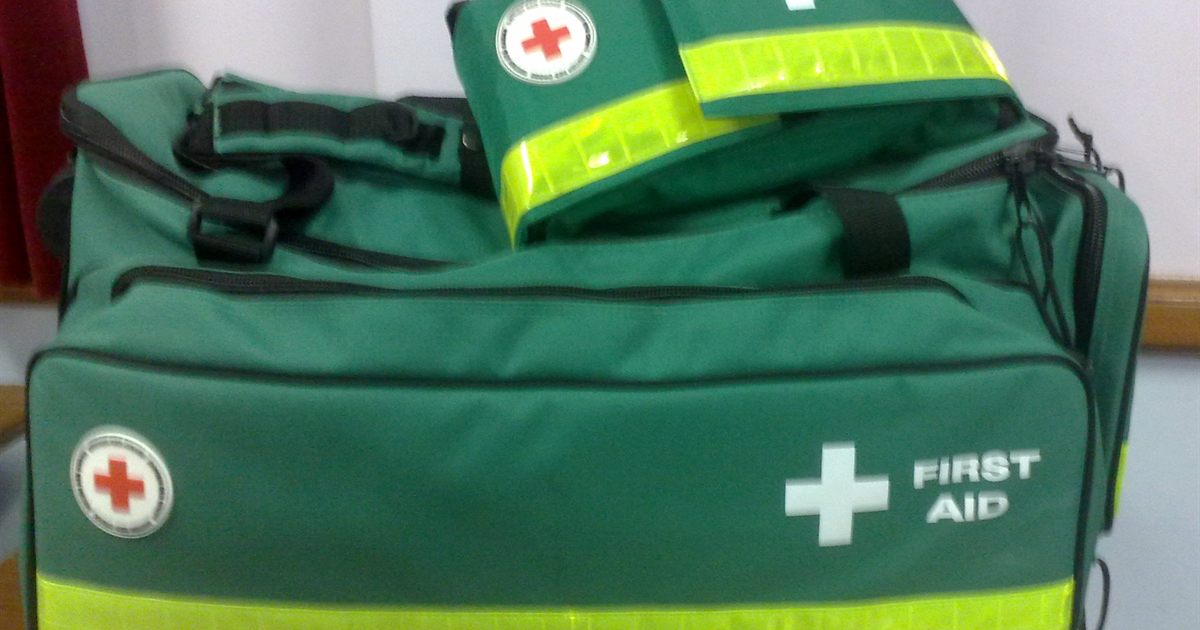
First aid in a school sits under three overlapping rulebooks, which is why it trips so many people up. The Health and Safety (First-Aid) Regulations 1981 cover your staff. Department for Education guidance covers your pupils. And for anyone with early years children on site, the EYFS framework adds a hard legal duty for paediatric first aid on top. This guide pulls all three together so you can see exactly what a UK school must provide, who is legally on the hook, and how to keep it provable across a big, spread-out site.
The three rulebooks at a glance
| Rule | Who it covers | What it requires |
|---|---|---|
| Health and Safety (First-Aid) Regulations 1981 | Employees (teaching & support staff) | "Adequate and appropriate" first-aid equipment, facilities and trained people — a legal duty. |
| DfE guidance on first aid in schools | Pupils and visitors | Strongly advises extending staff provision to pupils; schools should have a written first-aid policy. |
| EYFS statutory framework | Early years children (under 5s) | At least one paediatric-first-aid-trained person on site and on every outing — a firm legal duty. |
Is first aid a legal requirement in schools?
For staff, yes, without exception — the 1981 Regulations apply to a school exactly as they apply to any other employer. There is no legal minimum list of equipment or a fixed number of first-aiders; instead the law asks you to provide what is "adequate and appropriate" for your setting and to be able to show how you decided.
For pupils, the first-aid Regulations do not technically apply — but this is a trap. DfE and HSE guidance both say schools should include pupils, and a school that provided first aid only to staff would fail any sensible reading of its wider duty of care under the Health and Safety at Work etc. Act 1974. In practice, every school first-aid policy covers pupils, and you should assess your needs on that basis.
Who is the "employer" — and who does the work?
The legal duty falls on the employer, and in schools that is not always obvious. It depends on the type of school:
- Community, voluntary-controlled, community special and maintained nursery schools — the local authority is the employer.
- Foundation, voluntary-aided and free schools — the governing body.
- Academies — the academy trust.
Whoever the employer is, the day-to-day running is almost always delegated to the headteacher, a school business manager or a nominated first-aid lead. That mirrors any workplace, where the employer holds the duty but delegates the doing. Make sure your policy names who owns it, so responsibility for checking kits and tracking certificates never falls between two people.
How many first-aiders does a school need?
There is no legal ratio for schools — the number falls out of your needs assessment. Because a school is a large, busy, spread-out site full of children, the honest answer is usually "more than you think". When you work out how many first-aiders you need, weigh:
- Site spread — separate buildings, upper floors, outbuildings and playing fields each need reachable cover.
- Higher-risk areas — science labs, design & technology workshops, PE and sports, and the kitchen carry more injury risk than classrooms.
- Times of day — cover must hold through break, lunch, before- and after-school clubs and trips, not just lesson time.
- Absence — first-aiders take holidays and sick days; train enough that you are never left with none.
Most staff are trained to Emergency First Aid at Work (EFAW, 1 day) or First Aid at Work (FAW, 3 day), with early years staff holding paediatric first aid on top. If you are unsure which qualification fits a role, see FAW vs EFAW, and note that any workplace certificate — including paediatric — lasts three years, so requalification needs planning well ahead.
Paediatric first aid and the EYFS
If your school has a nursery class, reception, or any early years provision, the EYFS statutory framework adds a duty that is not optional (for a standalone nursery, pre-school or childminder, see our full early years first aid requirements guide):
- At least one person with a current paediatric first aid (PFA) certificate must be on the premises and available at all times when early years children are present.
- A PFA-trained person must accompany early years children on every outing.
- Newly qualified level 2 and level 3 early years staff must hold a full or emergency PFA certificate within three months of starting to be counted in the staff:child ratios.
PFA is a 12-hour course covering under-5s (and often up to 12s), and like other certificates it is valid for three years. Because ratios depend on it, a lapsed PFA certificate can put an early years setting out of compliance overnight — this is the single most common school first-aid slip, and the easiest to prevent with a reminder before it expires.
First aid kits and equipment in schools
There is no legally mandated contents list for a school first aid kit. HSE guidance points to BS 8599-1 as a sensible basis; the standard workplace kit contents are a good starting point, adjusted for your needs assessment. A school is different from most workplaces in one big way: you need many kits, in many places. Typical locations:
| Location | Why it needs its own kit |
|---|---|
| Main office / medical room | Central point where most treatment happens. |
| Science labs & D&T workshops | Chemicals, heat and tools — consider adding an eyewash provision. |
| PE / sports hall & playing fields | High rate of sprains, knocks and collisions. |
| Kitchen | Burns and cuts — use a blue-detectable catering kit. |
| Every separate building / floor | So a kit is always within easy reach. |
| Minibuses & trips | Portable travel kits that go off-site with the class. |
Deciding how many kits you need across all those locations, then keeping every one stocked and in date, is where school first aid quietly becomes a big job.
Recording accidents and RIDDOR in schools
Schools must keep an accident book and record injuries to staff and pupils. The trickier part is RIDDOR: an injury to a pupil is only reportable to the HSE if it arose from a work activity or the condition of the premises and the pupil is killed or taken directly to hospital for treatment. A routine playground tumble unconnected to any work activity is recorded but not reported. For the full rules on what to log versus report, see accident book & RIDDOR.
A quick school first-aid compliance checklist
- ✔ Written first-aid policy covering staff, pupils and visitors
- ✔ Needs assessment that reflects site spread and higher-risk areas
- ✔ Enough trained first-aiders to cover every area, all day, with absence built in
- ✔ Current paediatric first aid cover wherever early years children are present
- ✔ A stocked, in-date kit in every location that needs one, plus trip kits
- ✔ First-aid signage and a named first-aid lead
- ✔ Accident book kept, with a clear RIDDOR reporting route
- ✔ A live record of every kit check and certificate expiry
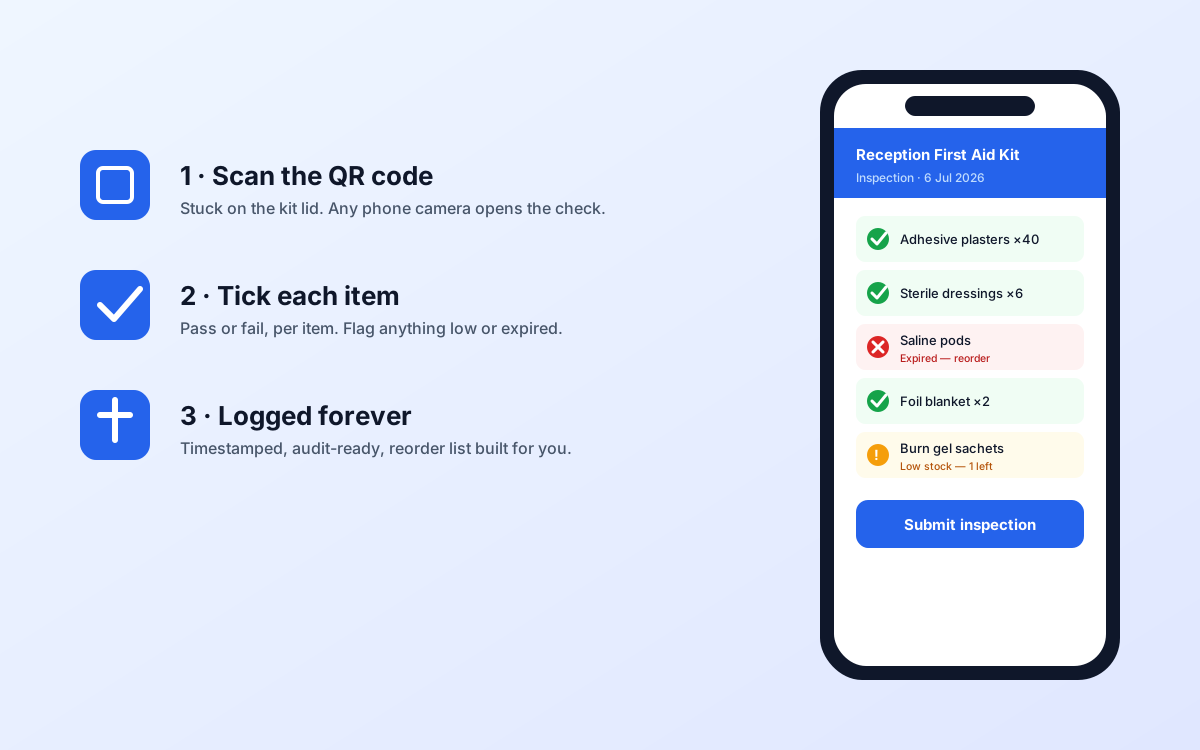
A school might run twenty or more kits and dozens of first-aid and paediatric certificates, all expiring on different dates. Doing that on a spreadsheet is exactly how a lab kit ends up half-empty or a PFA certificate lapses without anyone noticing. KitCompliance gives every kit a home, records each inspection in seconds from a phone, and reminds you before any item or certificate expires — with a one-click report you can hand to a governor, an inspector or an auditor. See the getting-started guide to set up your first site.
Frequently asked questions
Is first aid a legal requirement in schools?
For staff, yes — the 1981 Regulations require adequate first aid for employees. Pupils are not covered by those Regulations, but DfE and HSE guidance strongly advise including them, and every school policy does. Early years settings have an additional legal duty for paediatric first aid.
How many first-aiders does a school need?
There is no fixed ratio. The number comes from your needs assessment, which weighs site size, pupil age, higher-risk areas and cover across the whole day and off-site trips — with spares for absence.
Do nurseries and early years need paediatric first aid?
Yes. The EYFS framework requires a paediatric-first-aid-trained person on site whenever early years children are present and on every outing. The certificate lasts three years.
Who is legally responsible for first aid in a school?
The employer — the local authority, governing body or academy trust depending on the school type — usually delegating the day-to-day to the head, business manager or a first-aid lead.
Are pupil injuries reportable under RIDDOR?
Only if the injury arose from a work activity or the premises and the pupil is killed or taken straight to hospital. Otherwise it is recorded in the accident book but not reported.