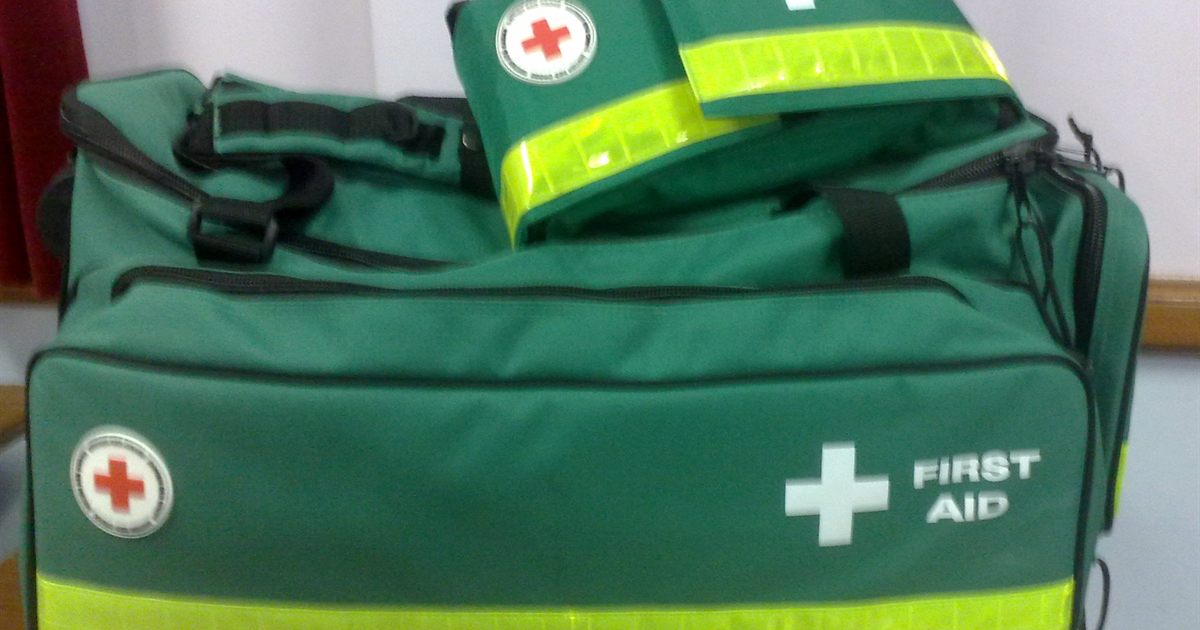
An office is one of the lowest-risk places to work — but "low risk" doesn't mean "no first aid". The same law that covers a factory or a building site covers your office, and the Health and Safety Executive (HSE) still expects you to provide people, equipment and information so that someone taken ill or injured at their desk gets help quickly. The good news: for most offices the requirement is modest and cheap to meet. This guide sets out exactly what you need, and what you don't.
Does an office legally need first aid?
Yes. The Health and Safety (First-Aid) Regulations 1981 apply to every employer, regardless of size or how safe the work looks. The Regulations require you to provide "adequate and appropriate" equipment, facilities and personnel so employees can be given immediate help if they are injured or fall ill at work. There is no exemption for offices, small businesses or self-contained floors in a shared building.
What "adequate and appropriate" means is deliberately left to you — a two-person studio and a 400-desk headquarters plainly need different things. You decide by carrying out a first aid needs assessment and writing down your reasoning.
Do you need a qualified first-aider in an office?
Not necessarily. This is the single biggest misconception. The law requires adequate provision, not a first-aider on every site. Because an office is low risk, the HSE accepts that a small office may only need an appointed person — someone who takes charge in an emergency, calls an ambulance and looks after the first-aid equipment. An appointed person does not need formal first-aid training (though emergency-basics or EFAW training is sensible).
As headcount rises, so does the expectation. The widely used HSE low-risk guide is:
| Office headcount (low risk) | Suggested provision |
|---|---|
| Fewer than 25 | At least one appointed person |
| 25–50 | At least one first-aider trained in Emergency First Aid at Work (EFAW) |
| More than 50 | One additional EFAW or FAW first-aider for every extra 100 people |
These are starting points, not rigid rules — see how many first-aiders you need for the full breakdown and worked examples. Always add cover so you're never left with nobody: a single first-aider who is on holiday or off sick leaves you exposed, so two is the practical minimum once you rely on trained staff.
What should be in an office first aid kit?
There is no legally mandated contents list, but the recognised benchmark is a British Standard BS 8599-1 workplace kit. For most offices a small or medium kit is the right size — see BS 8599-1 kit sizes for how many people each covers. A typical office kit contains:
- A leaflet with general first-aid guidance
- Assorted individually wrapped plasters
- Sterile eye pads and sterile dressings in a range of sizes
- Triangular bandages and safety pins
- Cleansing wipes (alcohol-free)
- Disposable gloves
- A foil emergency (survival) blanket
- A resuscitation face shield
For the full checklist and the reasoning behind it, see what should be in a workplace first aid kit. Put at least one kit within easy reach of every work area and on every floor — a single kit by reception is not "easy reach" for someone three floors up.
Do offices need an AED, eye wash or a first aid room?
Usually not — but consider them:
- Defibrillator (AED) — not a legal requirement, but increasingly recommended anywhere numbers of people gather. Sudden cardiac arrest can happen to a healthy desk worker, and survival falls fast without a shock. See workplace defibrillator requirements.
- Eye wash — mains water is fine for most offices; sterile eye wash is only needed where mains water isn't readily accessible or where there's an eye-splash hazard (see eyewash station requirements).
- A dedicated first aid room — rarely needed in an office; these are for larger or higher-risk sites (see first aid room requirements). A quiet room where someone can rest or be assessed is still worth having.
Home, hybrid and lone office workers
Your duty of care follows your people, but the practical provision for desk-based home workers is light: make sure they know how to call the emergency services and can raise the alarm, and suggest they keep a basic personal kit at home. Anyone who works alone in the office — early, late or at weekends — needs a way to summon help; see lone worker first aid requirements. Record how you cover these situations in your needs assessment rather than issuing full workplace kits to every home.
Signage, records and keeping it in date
Once your provision is in place, three things keep you compliant:
- Signage & information — put up a notice showing where the kits are and who the first-aiders or appointed persons are. See first aid signage requirements.
- An accident book — record injuries and near-misses, and know when something becomes RIDDOR-reportable (see accident book & RIDDOR).
- Inspections — check kits regularly and restock used or expired items (see how often to inspect first aid kits).
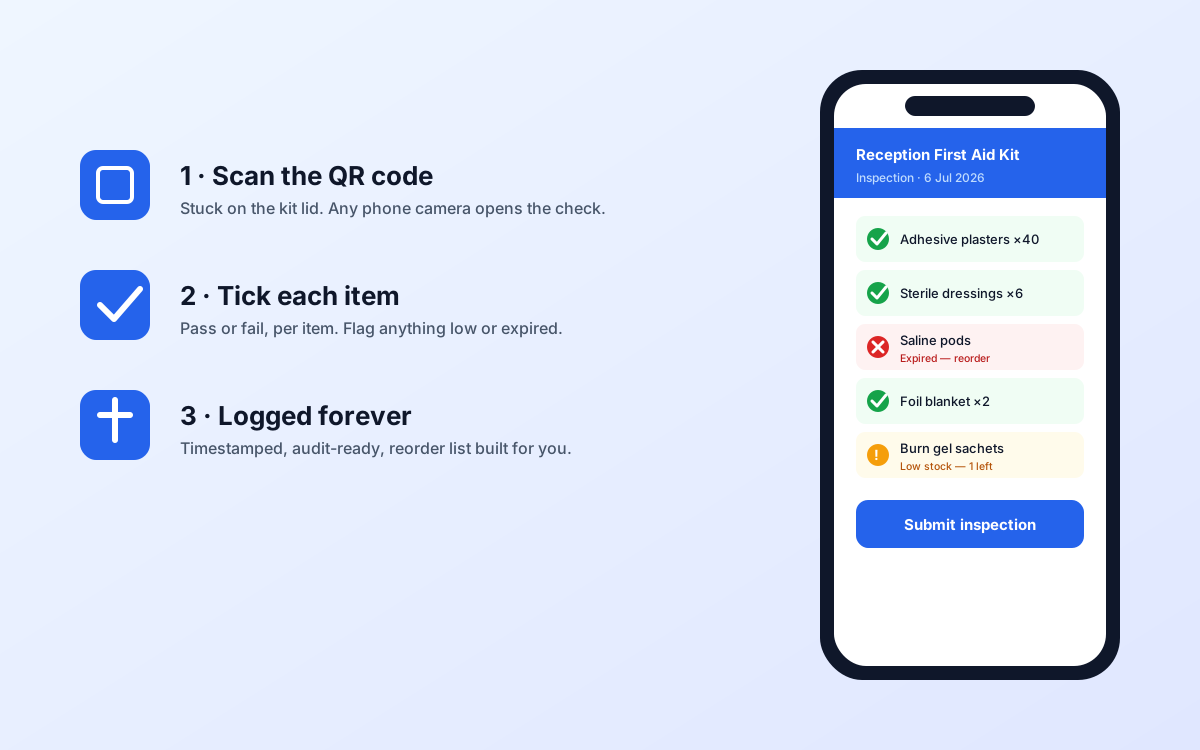
The provision for an office is small, which is exactly why it slips: one plaster box quietly runs out, a first-aid certificate lapses, nobody remembers the last check. KitCompliance keeps each office kit built from the BS 8599-1 list, logs inspections in seconds, and reminds you before any item or certificate expires — with a one-click report that proves your provision to an auditor. See the getting-started guide to set it up.
Frequently asked questions
Is a first aider a legal requirement in an office?
Not always. The law requires "adequate and appropriate" provision, not a trained first-aider in every workplace. For a small, low-risk office an appointed person can be the legal minimum; from around 25 staff, HSE guidance points to training an EFAW first-aider.
How many first aiders does an office need?
There's no fixed ratio. As a low-risk guide: under 25 staff, an appointed person may be enough; 25–50, at least one EFAW first-aider; and one more per extra 100 people. Your needs assessment sets the number, with cover for absence.
What should be in an office first aid kit?
A BS 8599-1 workplace kit in a small or medium size: plasters, sterile dressings, triangular bandages, eye pads, gloves, wipes, a foil blanket and a face shield. There's no legal list, but BS 8599-1 is the recognised benchmark.
Do home and hybrid office workers need first aid provision?
Your duty of care still applies, but provision is light: make sure they can call the emergency services and suggest a basic personal kit at home. Cover it in your needs assessment.