Heat is an under-rated workplace hazard. A hot kitchen, a sun-baked roof, a warehouse under a steel roof in July, a van cab in traffic — it does not take a heatwave for someone to overheat on the job. Most cases are heat exhaustion, which clears up quickly if you cool the person down. The danger is missing the point where it tips into heat stroke — a genuine emergency where the body stops controlling its own temperature. The skill is cooling the person fast, keeping them hydrated, and knowing the signs that mean call 999.
Heat exhaustion vs heat stroke
The two sit on the same scale, and heat exhaustion can slide into heat stroke if it is not treated. Telling them apart is what decides whether you cool-and-rest or dial 999.
| Heat exhaustion | Heat stroke (emergency) |
|---|---|
| Heavy sweating; skin pale and clammy | Skin may be hot and dry — sweating has stopped |
| Tiredness, weakness, dizziness, headache | Confusion, slurred speech or strange behaviour |
| Feeling sick, cramps in the arms, legs or stomach | A very high temperature (around 40°C or above) |
| Fast breathing and a fast pulse | A fit or seizure; loss of consciousness |
| Usually recovers within 30 minutes of cooling | Does not improve with cooling — needs 999 now |
The single most important warning sign is a change in how the person is thinking and behaving. Someone with heat exhaustion is uncomfortable but makes sense. Someone who is confused, drowsy, or acting oddly in the heat may have heat stroke — treat it as an emergency even if their skin still feels sweaty.
Heat exhaustion: what to do, step by step
- Move them somewhere cool. Get them out of the heat straight away — indoors, into shade, or next to a fan or air conditioning — and stop the task that overheated them.
- Lie them down and raise their feet. Help them lie down and raise their feet slightly to keep blood flowing to the brain. Loosen or remove any excess or tight clothing.
- Cool their skin. Use whatever you have: spray or sponge them with cool water and fan them, and put cold packs wrapped in cloth under the armpits and against the neck. Keep cooling for the whole time — do not do it once and stop.
- Give fluids if they are fully conscious. If they are fully awake and can swallow safely, give plenty of water to sip; a rehydration or sports drink helps replace lost salts. Never give fluids to someone who is drowsy or confused.
- Watch for improvement. Stay with them. With heat exhaustion they should start to feel better within about 30 minutes.
- Call 999 if they do not improve or get worse. Call if there is no improvement after 30 minutes, or at once if any sign of heat stroke appears. Keep cooling them while you wait.
Who is most at risk
Heat illness is not only an outdoor, summer problem. A first aid needs assessment should flag anyone working:
- In hot indoor environments — commercial kitchens, bakeries, laundries, foundries and factories
- Outdoors in hot weather — construction, roofing, grounds, agriculture and farm work
- In hot vehicles or poorly ventilated warehouses
- In PPE or heavy protective clothing that traps heat and stops sweat evaporating
- Alone, where no one may notice them struggling — see lone-worker first aid
Older workers, pregnant workers, people who are unwell, and anyone on certain medications are more vulnerable, and dehydration, a heavy workload and a lack of acclimatisation all raise the risk.
What UK employers should have in place
There is no legal maximum working temperature in the UK. The Workplace (Health, Safety and Welfare) Regulations 1992 require a "reasonable" temperature and the HSE expects you to assess and control the risk from heat. Alongside that, the Health and Safety (First-Aid) Regulations 1981 require "adequate and appropriate" first aid provision for the emergencies your work can cause:
| Provision | What to put in place |
|---|---|
| Control the heat first | Risk-assess hot work and reduce exposure — ventilation, shade, cooler shifts, rest breaks and job rotation — so heat illness is far less likely in the first place. |
| Drinking water and rest areas | Easy access to cool drinking water and a cool place to rest, so people can rehydrate and cool down before they tip into heat exhaustion. |
| Trained first-aiders | Enough first-aiders who can recognise heat illness and cool a casualty, covering every shift and hot period. |
| A stocked kit and cooling means | A full, in-date kit plus practical cooling aids where the assessment supports them — cold packs, water sprays and a fan near hot work. |
| Recording & reporting | Log every case in your first aid record and accident book, and check whether it is reportable under RIDDOR. |
After the incident: recording and RIDDOR
Write down what happened while it is fresh — the conditions, what the person was doing, the signs you saw and how you cooled them — in your first aid treatment record and the accident book. Heat illness has RIDDOR triggers: if heat exhaustion or heat stroke caused by work keeps someone off their normal duties for more than seven consecutive days, report it as an over-seven-day injury; a loss of consciousness caused by heat may be a specified injury; and a member of the public taken directly to hospital for treatment is reportable too. Then restock anything you used so the kit is ready next time.
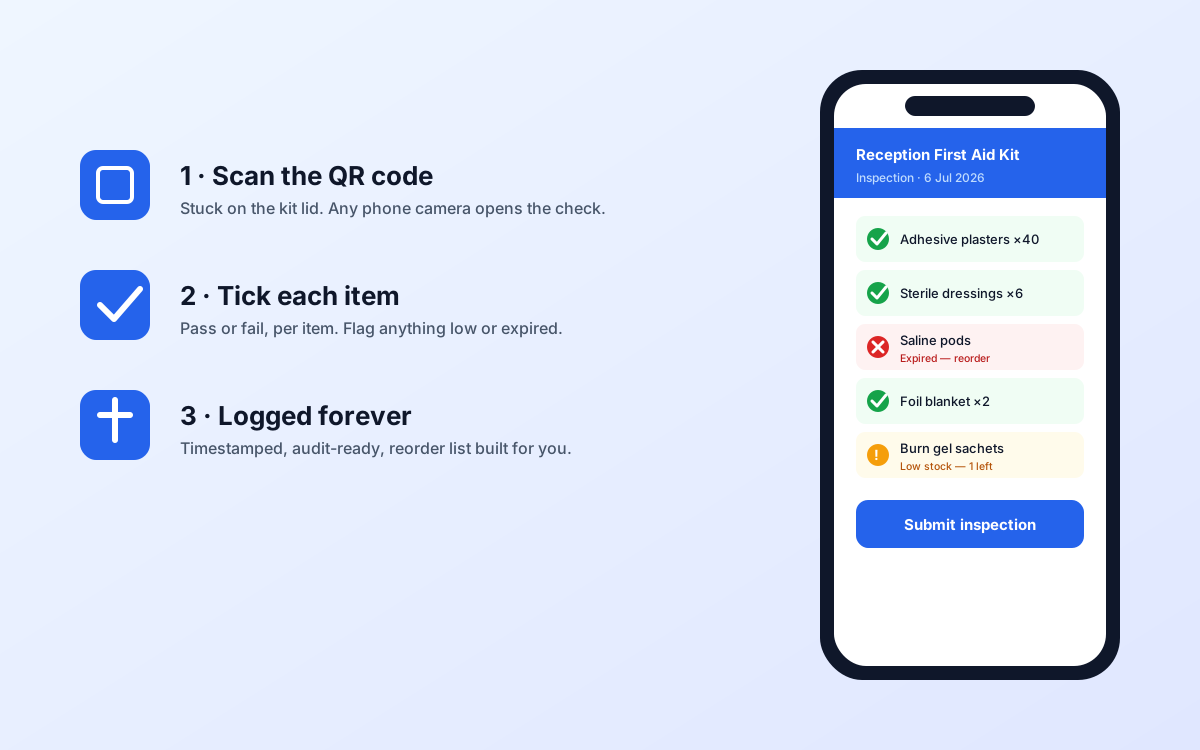
Treating heat illness is a skill; keeping the provision behind your first-aiders in order is a routine. That is what KitCompliance does: track every first aid kit and its contents, every certificate and refresher due date, and log your checks in seconds — with reminders before anything lapses and a one-click report that proves your provision. See the getting-started guide to set it up.
Frequently asked questions
What is the difference between heat exhaustion and heat stroke?
Heat exhaustion is the body overheating and struggling to cope — heavy sweating, tiredness, dizziness, headache, nausea, cramps, and pale, clammy skin. It is not usually serious and most people recover within 30 minutes of cooling and resting. Heat stroke is a medical emergency: the body can no longer control its temperature. Signs include a very high temperature, confusion or altered behaviour, skin that may be hot and dry because sweating has stopped, a fast pulse, a seizure, or loss of consciousness. Heat stroke needs 999 and active cooling without delay.
When should you call 999 for heat exhaustion at work?
Call 999 if the person is no better 30 minutes after you start cooling and resting them, or immediately if any sign of heat stroke appears: a very high temperature, confusion or strange behaviour, hot skin that is no longer sweating, a seizure, or loss of consciousness. Also call if they are too drowsy or confused to drink. Keep cooling the person while you wait for the ambulance.
How do you cool someone down with heat exhaustion?
Move them out of the heat into a cool, shaded or ventilated place and help them lie down with their feet raised slightly. Loosen or remove excess clothing. Cool the skin by spraying or sponging with cool water and fanning, and place cold packs wrapped in cloth under the armpits and against the neck. If they are fully conscious, give water or a rehydration drink to sip. Keep cooling until they feel better or the ambulance arrives.
Is there a maximum working temperature in the UK?
No. UK law sets no legal maximum workplace temperature. The Workplace (Health, Safety and Welfare) Regulations 1992 require the temperature to be "reasonable", and the HSE expects employers to assess the risk from heat and act on it — in kitchens, foundries, warehouses, vehicles and outdoor work in hot weather. There is a suggested minimum of 16°C (13°C for strenuous work) but no equivalent upper figure, so the duty is to control the risk through your risk assessment.
Is heat stroke at work reportable under RIDDOR?
It can be. If heat stroke or heat exhaustion caused by work keeps a worker off their normal duties for more than seven consecutive days, it is reportable as an over-seven-day injury. A loss of consciousness caused by heat at work may be reportable as a specified injury, and a member of the public taken directly to hospital for treatment is reportable too. Whatever the outcome, record it in your first aid treatment record and the accident book.