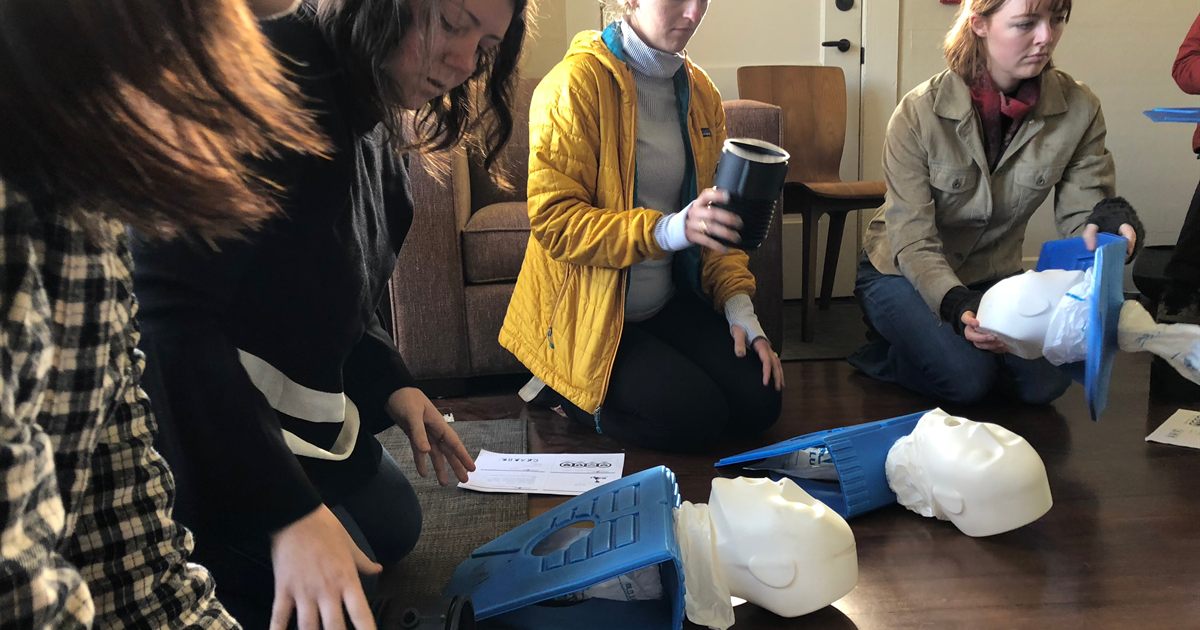
Kits on the wall and trained first-aiders on the rota only matter in the ten minutes when something actually goes wrong. A workplace first aid procedure is the short, agreed sequence your people follow the moment someone is injured or taken ill — who does what, when to call 999, and how the incident gets recorded afterwards. This guide sets out that sequence step by step, in line with UK first-aid law, so you can write it down and train your team on it.
Why you need a written procedure
The Health and Safety (First-Aid) Regulations 1981 require "adequate and appropriate" first-aid provision. Provision isn't only equipment and people — it's knowing how they're used in an emergency. A written procedure turns your needs assessment into action: it removes the panic and the "who's supposed to do what?" delay that costs time when it matters most. It's also one of the first things an ISO 45001 assessor or an HSE inspector will ask to see after an incident, and it belongs in your standing workplace first aid policy.
The six-step procedure
Work through these in order. The first-aider leads once they arrive, but anyone on site should be able to start step 1.
1. Make the area safe
Before you reach the casualty, look for danger — moving machinery, traffic, electricity, chemicals, fire, or a fall risk. You are no use to anyone if you become a second casualty. Remove the danger from the casualty (switch off the machine, isolate the supply) rather than moving the casualty, unless leaving them puts them in more danger.
2. Assess and send for the first-aider
Do a quick primary check — are they responsive, is the airway clear, are they breathing, is there obvious severe bleeding? At the same moment, send someone to fetch the nearest trained first-aider and the first aid kit. In a low-risk workplace with no first-aider, the appointed person takes charge of the situation and of calling for help.
3. Give first aid within training
The first-aider treats the casualty using only the skills and equipment they've been trained on. That usually means: control serious bleeding with direct pressure; place an unconscious but breathing casualty in the recovery position; and if they are not breathing normally, start CPR and send for the defibrillator (AED). First-aiders should never go beyond their training — doing so is both unsafe and outside what the qualification covers.
4. Call 999 if it's serious
Don't hesitate to call an ambulance for anything serious or anything you're unsure about — unconsciousness, difficulty breathing, chest pain, severe bleeding, a suspected spinal or head injury, a serious burn, a severe allergic reaction (anaphylaxis), a choking casualty whose airway won't clear, or a casualty who isn't improving. Give the operator your exact location (including access details for the crew), what happened, and the casualty's condition. Send someone to the gate or entrance to wave the ambulance in — on a large or gated site this alone can save minutes.
5. Record it in the accident book
Once the casualty is safe and settled, record what happened while it's fresh. Every injury treated at work goes in the accident book — however minor. Capture the essentials:
| Record | What to note |
|---|---|
| Who | The injured person's name and role, and the name of the person who gave first aid. |
| When & where | Date, time and the exact location on site. |
| What happened | A brief, factual account of the cause and the injury or illness. |
| Treatment given | What first aid was provided and whether the person went to hospital, went home or returned to work. |
| Follow-up | Whether it's RIDDOR-reportable and what action was taken to prevent a repeat. |
Keep accident records secure — they contain personal and health data, so store them so only those who need to can see them, and keep them for at least three years (longer for anything involving young people or possible long-term harm).
6. Report under RIDDOR, restock and review
Check whether the incident is reportable to the HSE under RIDDOR — specified injuries, over-seven-day absences, certain diseases and dangerous occurrences all have reporting duties and deadlines. Then do the practical clean-up: restock anything used from the kit (see restocking a first aid kit), and hold a short review of what happened. If the same hazard could hurt someone else, that's a prompt to revisit your needs assessment and the wider risk assessment.
Make the procedure findable in the moment
A procedure filed in a folder helps no one during an emergency. Put the key steps and emergency numbers on your first aid notices next to each kit, name your current first-aiders and where to find them, and cover the sequence in inductions so new starters aren't guessing. Where members of the public are on site, remember your procedure should cover them too.
A quick-reference first aid procedure card
Copy this onto a card by each first aid point and in your first aid policy:
| Step | Action |
|---|---|
| 1 | Check for danger — make the area safe before you approach. |
| 2 | Send for the first-aider and the kit; check response & breathing. |
| 3 | Give first aid within training; fetch the AED if needed. |
| 4 | Call 999 for anything serious or uncertain; direct the crew in. |
| 5 | Record the incident in the accident book. |
| 6 | Report RIDDOR if applicable; restock the kit; review. |
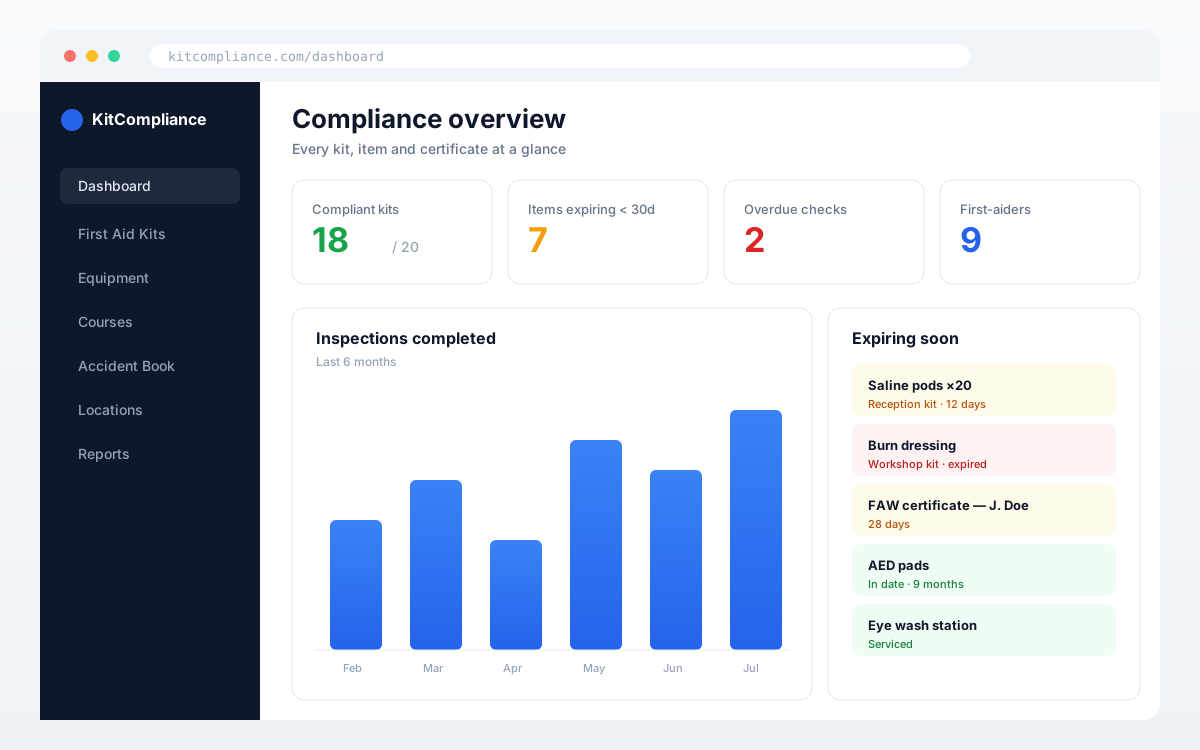
A procedure is only as good as the provision behind it: an AED with a flat battery or a kit missing dressings turns a good response into a bad one. KitCompliance keeps that side audit-ready — build each kit from the ISO 45001 suggested list, log inspections in seconds, track first-aider certificate expiry, and get reminders before anything lapses, with a one-click report that evidences your provision. See the getting-started guide, and check the whole picture against the workplace first aid compliance checklist.
Frequently asked questions
Do I have to record every injury at work?
Yes. Log every injury treated at work in the accident book, however minor. It's expected of any business with ten or more employees, it protects both the worker and you, and it's your evidence if the injury later proves RIDDOR-reportable or leads to a claim.
Who is allowed to give first aid at work?
Anyone can help in a genuine emergency, but your planned response should rely on a trained first-aider (FAW or EFAW), or an appointed person in a low-risk workplace with no first-aider. First-aiders must act only within the limits of their training.
Do I need to call an ambulance for every accident?
No — minor injuries are handled with the kit and logged in the accident book. Call 999 for anything serious or uncertain: unconsciousness, breathing difficulty, chest pain, severe bleeding, suspected spinal or head injury, serious burns, or a casualty who isn't improving.
What's the difference between the accident book and RIDDOR?
The accident book is your internal record of every incident; RIDDOR is a separate legal duty to report certain serious events to the HSE. Every RIDDOR report should also be in your accident book, but most accident-book entries aren't RIDDOR-reportable.