Most workplaces run some kind of first aid check. Far fewer can prove, on demand, that every kit is the right size, in the right place, fully stocked and in date — which is exactly what an inspector or ISO 45001 assessor asks for. A first aid kit audit closes that gap. It's the periodic, written review that confirms your whole provision still matches what your workplace actually needs, and gives you the record to show it.
Audit vs inspection: what's the difference?
The two are often confused, and you need both. An inspection is frequent and narrow — a quick monthly (or weekly) check that a single kit is sealed, stocked and in date. An audit is less frequent and wider: a periodic look across everything, testing whether the provision itself is still correct.
| Routine inspection | First aid kit audit | |
|---|---|---|
| Scope | One kit at a time | Whole provision — every kit, AED and station |
| Question | Is this kit ready to use? | Is our overall provision still adequate? |
| Frequency | Monthly (weekly on high-risk sites) | At least annually, and after any material change |
| Benchmark | Contents present, sealed, in date | Needs assessment + BS 8599-1 + records |
How to audit your first aid kits: six steps
Work through these in order. For a single small site the whole thing takes an hour; for multiple locations, audit each one the same way.
- List every kit and its location. Build a register of every first aid kit, plus eye wash stations, burns kits, vehicle kits and AEDs, with where each lives. Audit from the register, never from memory — the kit you forget is the one that fails you.
- Check the register against your needs assessment. Does the number, size and placement of kits still match what your needs assessment called for? Headcount, new areas or a change of use can quietly leave a work area without cover.
- Open each kit and check contents against BS 8599-1. Compare what's inside to the required list for that kit size. Note missing items, wrong quantities, and anything unsealed, dirty or non-sterile. Our free kit checklist gives you the per-item list to tick against.
- Check expiry dates. Record the earliest expiry in each kit and flag anything already out of date or due before the next audit — see which first aid items expire. Sterile dressings and antiseptic wipes are the usual culprits.
- Replenish and correct. Restock missing or expired items, add or resize kits where cover is short, and remove anything that shouldn't be there (stray tablets and creams are a classic audit finding — first aid kits should not contain medication).
- Record the audit and set the next date. Sign and date the findings and the actions taken, keep them with your health-and-safety records, and schedule the next audit. An unrecorded audit is, for evidence purposes, no audit at all.
A simple first aid kit audit checklist
Copy this into a document or spreadsheet, complete one row per kit, date it and keep it on file:
| Audit point | Pass / fail / action |
|---|---|
| Kit ID & location | … |
| Kit still needed here? (vs needs assessment) | … |
| Correct size for the area (BS 8599-1) | … |
| Contents complete & correct quantities | … |
| All items sealed & sterile | … |
| Earliest expiry date in kit | … |
| No medication / prohibited items present | … |
| Signage & access to the kit clear | … |
| Action taken & restock ordered | … |
| Audited by / date / next audit due | … |
How often should you audit?
There's no legal frequency, so tie it to risk and change. A full audit of your provision at least once a year is sound practice, sitting on top of your routine inspections. Bring the audit forward whenever something material shifts: a new site or floor, a jump in headcount, a change of process or use, or an incident that revealed a gap. Each of those is a reason to re-check that your provision — not just each individual kit — is still right.
Why the audit trail matters as much as the audit
There's no explicit duty to keep audit logs — but if you can't show the audit happened, you can't demonstrate your provision was adequate. After an incident, or during an HSE visit or ISO 45001 audit, an undated, unsigned kit is treated as an unchecked kit. A dated audit history — findings, actions and restocks — is the difference between "we look after our kits" and provable compliance. Many workplaces fold the standing conclusions into a workplace first aid policy so the arrangements are written down and easy to evidence at a glance.
Make the audit run itself
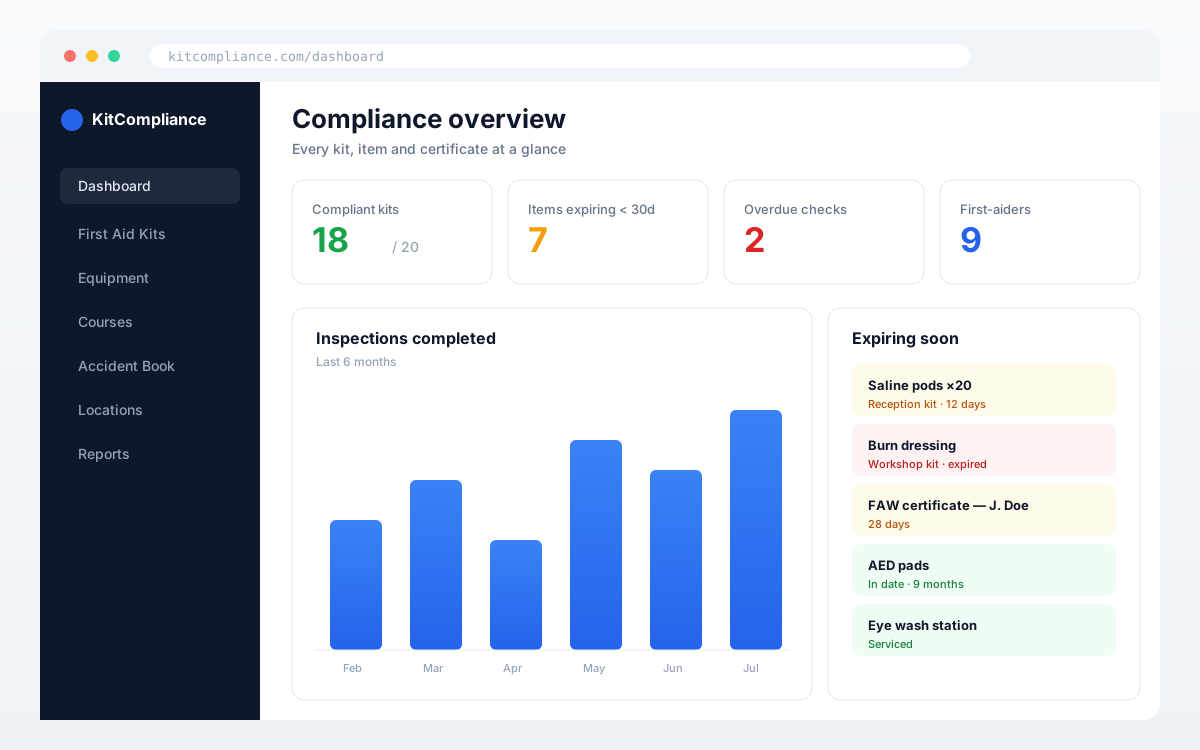
The hard part of auditing isn't any single kit — it's holding the whole picture together across sites, and keeping the record straight. That's what KitCompliance automates. Each kit carries a QR code: scan it to run a timestamped pass/fail check against the BS 8599-1 list in under a minute. The dashboard rolls every kit up into one audit view, flags what's overdue and what expires within 30 days, and produces a one-click report that is your audit trail. See the getting-started guide to set it up.
Frequently asked questions
What is a first aid kit audit?
A periodic, documented review of your whole first aid provision — every kit, its location, contents, quantities and expiry dates — checked against your needs assessment and BS 8599-1. It's broader than a routine inspection of a single kit.
How often should you audit first aid kits?
At least annually as a full audit, on top of more frequent inspections (monthly for most workplaces, weekly on high-risk sites), and immediately after any material change or incident.
Is a first aid kit audit a legal requirement?
Not by that specific name. The 1981 Regulations require "adequate and appropriate" provision, and an audit is the practical way to check and evidence it. Unrecorded checks can't be relied on as evidence.
What's the difference between an audit and an inspection?
An inspection is a frequent, single-kit check that items are present, sealed and in date. An audit is a wider, less frequent review of the whole provision against your needs assessment and BS 8599-1, with a complete record.
Who should carry out the audit?
It's the employer's responsibility, usually delegated to whoever owns health and safety — a manager, first-aider, appointed person or H&S officer — able to compare what's on site against the needs assessment and BS 8599-1.