A severe bleed is one of the few workplace injuries where the first few minutes decide whether someone lives. A major arterial bleed from a blade, a machine, broken glass or a vehicle impact can drain enough blood to be fatal in three to five minutes — faster than an ambulance can usually reach you. The plasters in a standard first aid kit are for minor cuts; stopping a catastrophic bleed is about pressure, packing and, if needed, a tourniquet. This guide walks through exactly what to do, and the UK compliance rules behind it.
Catastrophic bleeding comes first
Most first aid follows the familiar DR ABC order — Danger, Response, Airway, Breathing, Circulation. Catastrophic bleeding is the one thing that jumps the queue. If someone is losing blood fast, you control the bleed before you worry about anything else, because they can bleed to death long before an airway or breathing problem would harm them. This "C-ABC" (catastrophic bleeding first) approach is now built into UK first-aid-at-work training, and it's why severe bleeding control sits at the front of the FAW syllabus.
How to stop severe bleeding at work
Work through these steps in order. Don't be afraid to press hard — firm, sustained pressure is what saves the person.
- Make it safe & call 999. Put on gloves, remove the danger if you safely can, and protect yourself — you're no use as a second casualty. Shout for help, get someone to dial 999 and bring the first aid or bleed control kit.
- Apply firm direct pressure. Press hard directly on the wound with a dressing, a clean pad or your gloved hand, and keep the pressure on. Raise the injured limb above the heart if you can. Direct pressure alone stops the large majority of bleeds.
- Pack the wound and dress it. For a deep wound, firmly pack sterile gauze or a haemostatic (clotting) dressing into it and keep pressing, then apply a pressure or trauma dressing over the top. If blood soaks through, don't remove it — add another dressing on top and press harder.
- Use a tourniquet for an uncontrolled limb bleed. If severe bleeding from an arm or leg won't stop, apply a tourniquet 5–7 cm above the wound (never over a joint), tighten until the bleeding stops, and write down the time it went on. Never loosen it — only a medic removes a tourniquet.
- Treat for shock & monitor. Lie the casualty down, keep them warm with a foil or ordinary blanket, reassure them, and keep checking their breathing and response until the ambulance arrives.
Recognising a life-threatening bleed and shock
Not every bleed is an emergency, but treat it as one if you see bright-red blood spurting or pouring out, blood pooling or soaking through dressings fast, or a deep wound to the torso, neck or groin where a tourniquet can't be used. As blood is lost the casualty may go into shock — pale, cold, clammy skin, a fast weak pulse, fast shallow breathing, confusion, thirst or drowsiness. Shock is itself life-threatening: keep them lying down and warm, don't give them anything to eat or drink, and get them to hospital urgently. If they stop breathing, start CPR — see cardiac arrest first aid at work.
What you need from the kit
A standard BS 8599-1 kit will cope with everyday cuts and minor bleeds, but it isn't built to stop a catastrophic haemorrhage. For that you need the items in a dedicated bleed control kit:
| Item | What it does |
|---|---|
| Tourniquet | Stops arterial bleeding from a limb when direct pressure isn't enough. |
| Haemostatic dressing / gauze | Contains a clotting agent; packed into a deep wound to speed clotting where a tourniquet can't be used. |
| Wound-packing gauze | Fills and applies pressure inside a deep wound cavity. |
| Large trauma / pressure dressing | A big absorbent dressing with built-in pressure. |
| Nitrile gloves | Protect the first-aider from blood-borne infection. |
| Foil (survival) blanket | Keeps the casualty warm and helps treat for shock. |
After the incident: recording and RIDDOR
Once the casualty is cared for, log the incident in your accident book — what happened, when, the injury and the first aid given. A severe bleed is frequently reportable under RIDDOR: a specified injury such as an amputation or serious loss of blood, any injury that keeps a worker off normal duties for more than seven days, or anyone taken straight to hospital after a non-employee incident must be reported. When you review what happened, it's worth running through your workplace first aid procedure to check cover, kit and training all held up on the day.
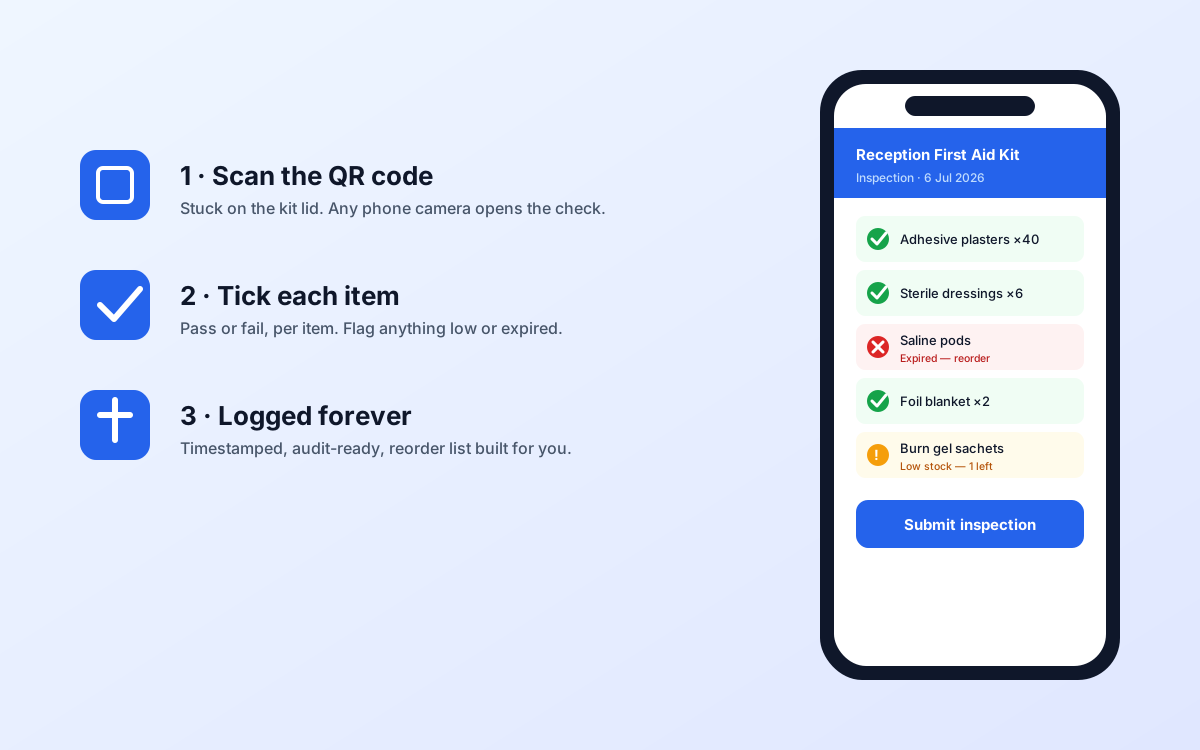
Knowing how to stop a bleed is half the job. The other half is making sure the kit is actually there, complete and in date on the day it's needed — haemostatic dressings expire, and a used tourniquet or dressing has to be replaced straight away. That's exactly what KitCompliance is for: build each kit (including a bleed control kit) from the recommended list, log inspections in seconds, and get a reminder before anything expires, with a one-click report that proves your provision. See the getting-started guide to set it up.
Frequently asked questions
How do you stop severe bleeding at work?
Glove up, call 999 and apply firm direct pressure on the wound with a dressing or your gloved hand. Pack a deep wound with gauze or a haemostatic dressing and keep pressing. If a limb bleed won't stop, apply a tourniquet high and tight above the wound and note the time. Then lie the person down, keep them warm and monitor for shock until help arrives.
When should you use a tourniquet at work?
Only for severe, life-threatening bleeding from an arm or leg that pressure and packing can't control. Apply it 5–7 cm above the wound (never over a joint), tighten until the bleeding stops, and write down the time. Don't loosen or remove it — that's done in hospital. Only someone trained should apply one.
Is severe bleeding at work reportable under RIDDOR?
Often, yes — if it's a specified injury (such as an amputation or serious loss of blood), keeps a worker off for more than seven days, or results in a non-employee being taken to hospital. Record every severe bleed in the accident book and check it against the RIDDOR criteria.
What's the difference between a first aid kit and a bleed control kit?
A standard BS 8599-1 kit handles everyday cuts and minor bleeds. A bleed control kit (BS 8599-1 Critical Injury Pack) adds tourniquets, haemostatic dressings, wound-packing gauze and trauma dressings for catastrophic bleeding. High-risk sites keep one alongside the standard kit, not instead of it.