A needlestick or sharps injury is one of the few workplace wounds that barely bleeds yet needs an urgent response. The physical injury is usually tiny — a pinprick from a needle, scalpel, broken glass or a discarded sharp. The real concern is what might have been on it: a blood-borne virus such as hepatitis B, hepatitis C or HIV. Getting the first few minutes and the next hour right is what protects the person, and it's also where UK compliance rules are most specific. This guide covers the first-aid steps, the reporting duties, and what employers must have in place.
What counts as a sharps injury?
A sharps injury is any wound from an object that can pierce the skin — a hypodermic needle, a scalpel or blade, a lancet, broken glass or ampoules, or a sharp piece of metal. It becomes a blood-borne virus (BBV) exposure when the sharp was contaminated with someone else's blood or body fluid, or when blood splashes onto broken skin or into the eyes, nose or mouth. It is the contamination, not the size of the cut, that drives the risk.
Healthcare and dental teams are the classic high-risk group, but sharps injuries are foreseeable for cleaners, waste and recycling crews, laundry staff, tattoo and piercing studios, prisons, and laboratories. If any of those apply to you, contaminated sharps should already be named in your first aid needs assessment.
First aid for a needlestick injury: step by step
The immediate aim is to clean the wound and remove the urgency to the people who can assess infection risk. Act in this order:
- Encourage it to bleed. Hold the wound under gentle running water and let it bleed freely. Do not suck it and do not squeeze it hard.
- Wash with soap and running water. Wash thoroughly for several minutes. Don't scrub, and don't use bleach, antiseptic or disinfectant on broken skin — they don't reduce infection risk and can cause harm.
- Dry and cover. Pat dry and apply a waterproof plaster or sterile dressing from your first aid kit.
- Irrigate any splashes. If blood or fluid reached the eyes, nose or mouth, rinse well with water or saline. Remove contact lenses first and rinse the eye, not over the lens.
- Get urgent medical advice. Contact occupational health, NHS 111 or A&E straight away — ideally within one hour. Take details of the source patient or sharp if they are known.
- Record and report. Log it in the accident book, tell a manager, and check whether it is RIDDOR-reportable.
Do not do these
| Don't | Why |
|---|---|
| Suck the wound | Can draw contaminated blood into the mouth and does nothing to lower risk. |
| Scrub or squeeze hard | Damages tissue and may drive contamination deeper rather than flushing it out. |
| Use bleach, antiseptic or disinfectant on the wound | No proven benefit on broken skin and can cause chemical injury. |
| Wait to report it | Delays time-critical treatment and weakens your record of what happened. |
Reporting: accident book and RIDDOR
Every sharps injury should be written up as soon as the person has been cared for. Note the date, time, task, type of sharp, whether it was contaminated, the source if known, and the first aid given — the same detail you'd capture on a first aid treatment record.
A sharps injury is reportable to the HSE under RIDDOR when a worker is exposed to a blood-borne virus through a contaminated sharp, or later develops an infection or illness attributable to the exposure. A clean, uncontaminated sharp that simply breaks the skin with no infection risk is generally not RIDDOR-reportable, but it must still go in the accident book. When in doubt, treat a contaminated sharp as reportable and record your reasoning.
What employers must have in place
Under the Health and Safety (First-Aid) Regulations 1981 — and, for healthcare, the Health and Safety (Sharps Instruments in Healthcare) Regulations 2013 — employers must prevent sharps injuries so far as is reasonably practicable and respond properly when one happens. In practice that means:
- Safer sharps and safe disposal — use safer-sharps devices where available and provide BS 7320 sharps bins so needles are never left loose.
- A written exposure procedure — staff should know the "bleed, wash, cover, report, seek advice" steps and who to call before an incident, not during one.
- Hepatitis B vaccination — offered to workers with a foreseeable BBV risk.
- Clean-up equipment — a body fluid spill kit to deal with blood safely, plus gloves and eye protection.
- Access to urgent assessment — a route to occupational health or urgent care, so PEP and hepatitis B treatment can start in time.
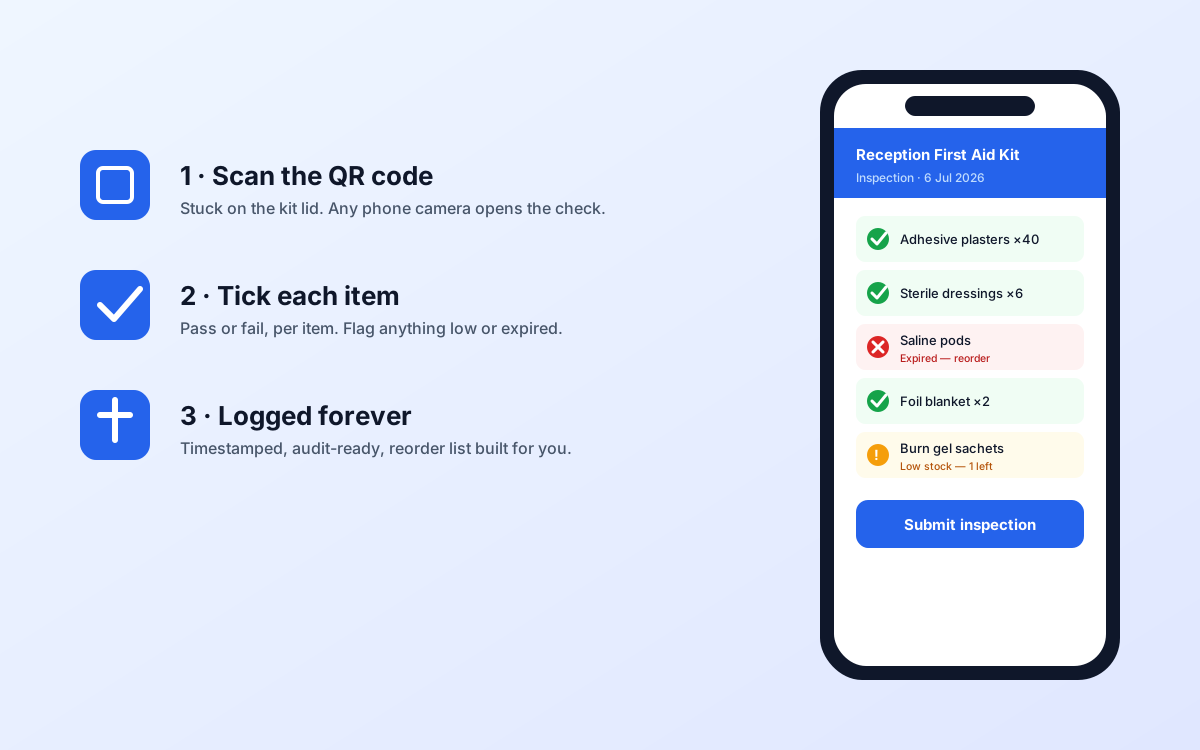
Responding well to a sharps injury depends on equipment being there and in date when it's needed — gloves, dressings, eye-irrigation, a spill kit and a working sharps bin. That's exactly what KitCompliance tracks: build each kit from the ISO 45001 suggested list, log inspections in seconds, and get reminders before anything expires, with a one-click report that proves your provision. See the getting-started guide to set it up.
Frequently asked questions
Is a needlestick injury at work reportable under RIDDOR?
It can be. A sharps injury is RIDDOR-reportable if a worker is exposed to a blood-borne virus (hepatitis B, hepatitis C or HIV) through a contaminated sharp, or later develops an infection attributable to it. A clean, uncontaminated sharp that breaks the skin without infection risk isn't usually reportable, but still goes in the accident book.
What should you not do after a needlestick injury?
Don't suck the wound, don't scrub it, and don't use bleach, disinfectant or antiseptic on broken skin. Encourage gentle bleeding under running water, wash with soap and water, cover it, and get medical advice quickly.
How quickly do I need treatment after a sharps injury?
Urgently — ideally within one hour. HIV post-exposure prophylaxis (PEP) is most effective started within hours and generally isn't offered after 72 hours; hepatitis B treatment is also time-sensitive. Never wait until the next day.
Who is at risk of sharps injuries at work?
Healthcare and dental staff most of all, but also cleaners, waste and recycling workers, laundry staff, tattoo and piercing studios, laboratories and prisons — anyone who may meet a discarded or contaminated needle. Flag those roles in your needs assessment.