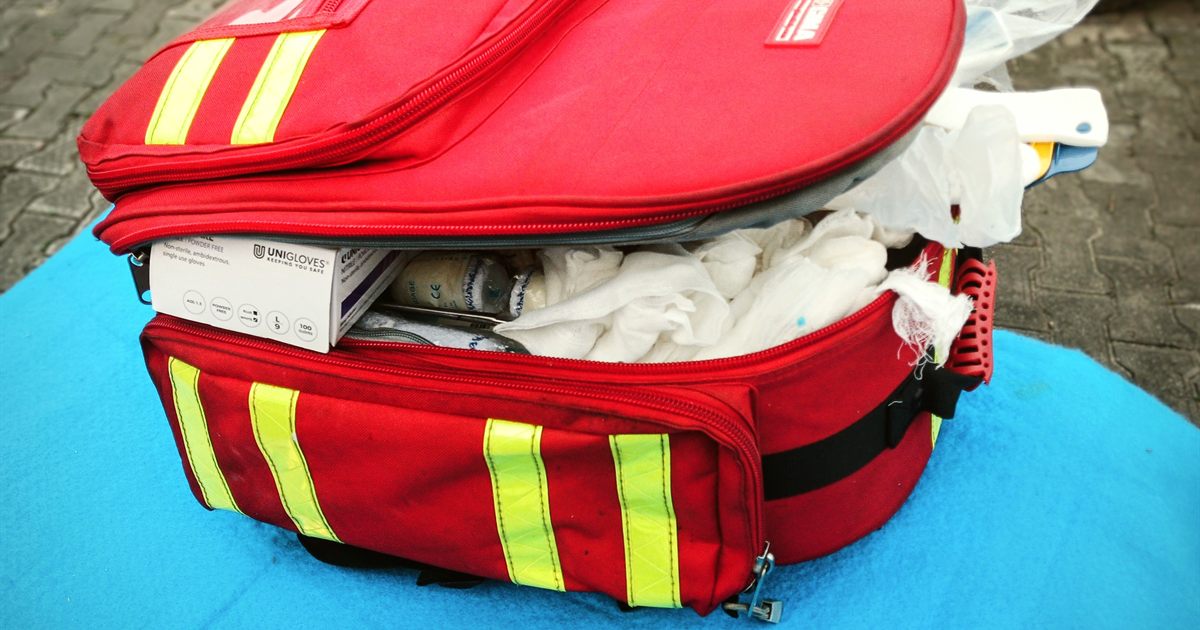
Most employers never plan for an HSE visit — until an accident, a complaint or a proactive inspection puts their first-aid arrangements under the spotlight. The good news is that there is no secret checklist: an inspector simply wants to see that your provision is "adequate and appropriate", that you decided it deliberately, and that you can prove it's real. This guide walks through what an inspector actually looks at, what triggers a visit, the enforcement they can use, and how to get inspection-ready.
Does the HSE actually inspect first aid?
Yes — but rarely on its own. First aid is one strand of the wider health-and-safety management that an inspector from the HSE (or your local authority, for lower-risk premises like shops and offices) can examine during any visit. They have a legal right of entry and don't always give notice. First-aid provision moves from "quick look" to "close scrutiny" the moment someone is hurt, because the inspector will ask what happened next: was a first-aider available, was the kit stocked, was the incident recorded?
What triggers a visit
- A reportable accident — a RIDDOR-reportable injury or dangerous occurrence is the most common trigger for scrutiny of first-aid arrangements.
- A complaint — from an employee, a former employee or a member of the public about unsafe conditions.
- A proactive/targeted inspection — the HSE runs campaigns by sector (construction, agriculture, manufacturing) where higher-risk sites are visited without a specific reason.
- A follow-up — checking you acted on a previous notice or piece of advice.
What an inspector checks
Expect the inspector to work outward from your needs assessment, testing whether what's written down matches what's on the wall and in the cupboard:
| Area | What they're looking for |
|---|---|
| Needs assessment | A written first aid needs assessment that considers your hazards, headcount and site — and is dated and reviewed, not filed and forgotten. |
| First-aiders | The right number and training level for your risk, with in-date certificates and cover for holidays and absence. |
| Kits & equipment | Kits present where the assessment says, correctly stocked, in date and accessible — plus any AED, eye-wash or first-aid room the assessment called for. |
| Records | Kit inspection logs, the accident book, and training records that show the system is maintained over time. |
| Information for staff | Signs and notices telling employees who the first-aiders are and where the kits are kept. |
How to prepare — a five-step checklist
- Find your needs assessment. It's the first thing they ask for. No assessment, or an out-of-date one, is a red flag — redo it now if needed.
- Check kits against the assessment. Every kit it calls for, present, stocked, in date and reachable — with inspections logged.
- Verify first-aider certificates. Right number, right level, all in date, with a plan for absence.
- Pull records into one place. Accident book, inspection logs, certificates and signage arrangements — ready to show, not hunted for.
- Close gaps and record the fix. Fix anything short before the visit, and note when and how. Evidence of a live, managed system counts in your favour.
Working through the wider workplace first aid compliance checklist once a quarter means an inspection never catches you cold — you're simply showing a system you already keep current.
What happens if you fall short
Inspectors use the least severe action that fixes the problem. For first aid, that usually means:
- Verbal or written advice — for minor gaps you're expected to close.
- An improvement notice — a formal instruction to put something right within a set time.
- Fee for Intervention (FFI) — where a material breach is found, the HSE recovers its time (charged per hour) for identifying and dealing with it.
- Prosecution — reserved for serious or repeated failings, typically alongside a significant injury.
The through-line is simple: acting quickly and showing a managed system moves you toward advice; a can't-find-it, out-of-date system moves you toward notices and fees.
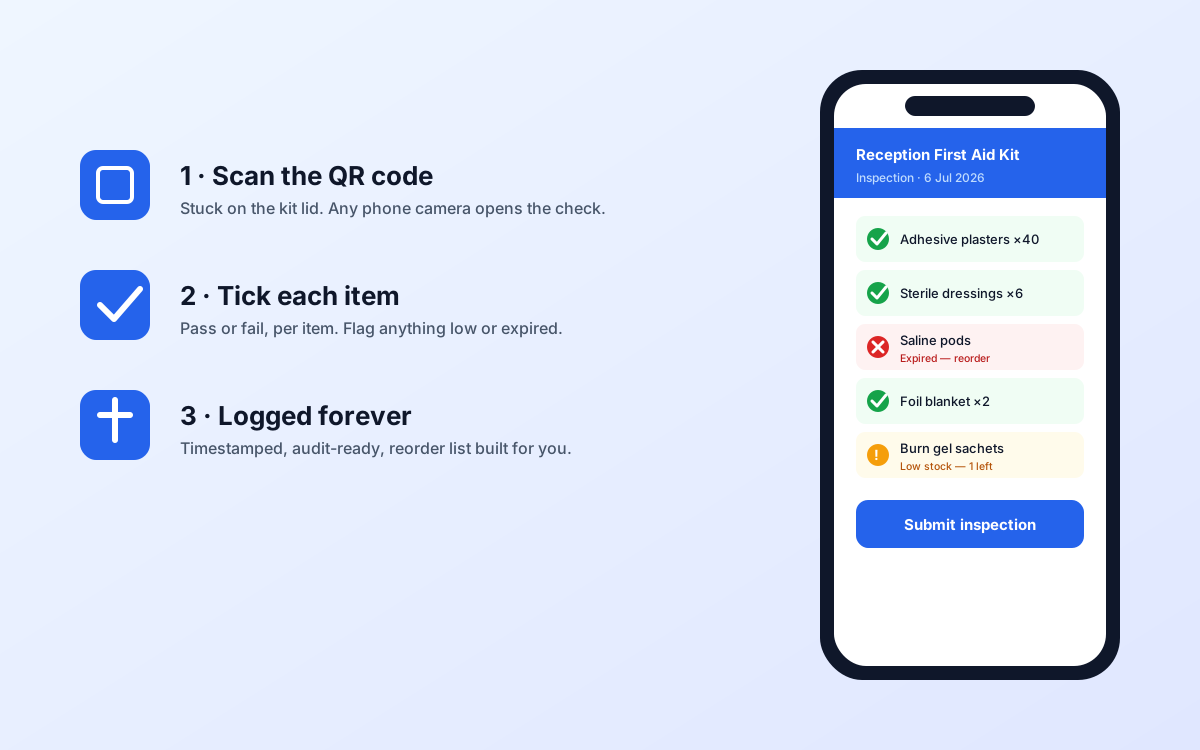
An HSE first-aid inspection rewards one thing above all: provable, up-to-date provision. That's exactly what KitCompliance is built for — record kit inspections in seconds, get reminders before items or certificates expire, and produce a one-click report that shows your provision matches your needs assessment. See the getting-started guide to set it up before you ever need it.
Frequently asked questions
Does the HSE inspect workplace first aid?
Yes. First-aid provision is part of the health-and-safety arrangements an HSE or local-authority inspector can examine during any visit. It's rarely the sole reason for a visit, but it's standard to look at — and it comes into sharp focus after a reportable accident.
Will an inspector give notice before visiting?
Not necessarily. Inspectors have a legal right to enter without an appointment. Some visits are pre-arranged; proactive and post-incident ones are often unannounced — which is why provision needs to be right all the time.
What documents should I have ready?
Your written needs assessment, kit inspection and restocking logs, in-date first-aider certificates, the accident book, and your signage arrangements. Producing them quickly demonstrates a managed, adequate system.
Can I be fined for inadequate first aid?
Yes. A material breach can bring Fee for Intervention costs and an improvement notice, and serious cases can lead to prosecution. Most first-aid shortfalls are handled by advice or a notice if you act on them.