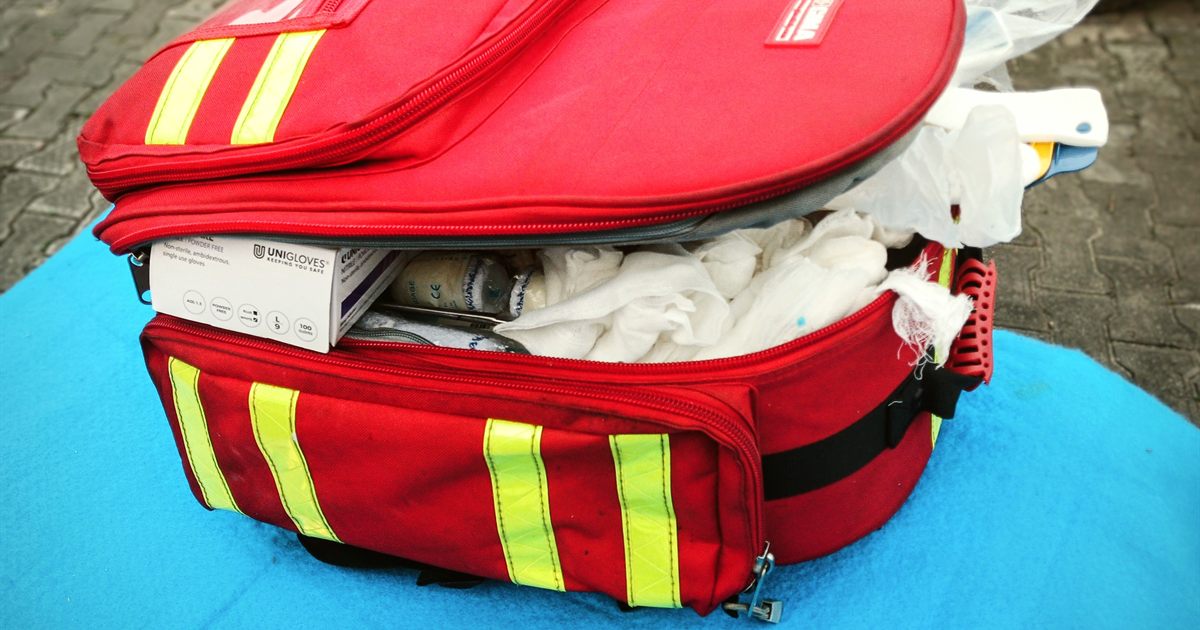
A defibrillator only saves a life if it works the moment it's needed — and a cardiac arrest doesn't give notice. An AED with dried-out pads or a flat battery is worse than no plan at all, because everyone assumes it's ready. Once you've decided to put an AED on site, keeping it rescue-ready is an ongoing duty, not a one-off purchase. This guide covers exactly what to check, how often, and how to prove you did it.
Do you have to maintain a workplace defibrillator?
There's no blanket law forcing a UK workplace to own an AED — whether you need one falls out of your first aid needs assessment. But once you provide one, it becomes part of your first-aid equipment, and the same principle that applies to inspecting first aid kits applies here: equipment you rely on must be kept ready to use. Manufacturers also specify maintenance, and following it keeps any warranty valid. In short — if it's on the wall, you're expected to keep it working.
How AED self-tests work (and why they aren't enough)
Nearly every modern AED runs an automatic self-test — usually daily — checking its internal circuitry, battery charge and pad connection. A readiness indicator (a green light, flashing tick or "OK" symbol) shows the result. That's a genuine safety net, but it has three blind spots a self-test can't cover:
- Pad expiry. The device knows a pad is connected, not that the gel has dried out or the use-by date has passed.
- Physical condition & theft. A self-test won't tell you the cabinet is smashed, the unit is missing, or the rescue kit has been raided.
- Nobody's looking. A flashing red light on a wall in a quiet corridor helps no one if no one is assigned to look at it.
That's why a human check on a schedule still matters — the self-test does the electronics, the person confirms everything else and records it.
What to check, and how often
| Frequency | What to check |
|---|---|
| Weekly (visual) | Glance at the status indicator — green/OK means ready. Confirm the AED is present, the cabinet is sealed and undamaged, and the heater is working if it's an outdoor cabinet. |
| Monthly (documented) | Everything above plus: pad use-by dates, battery date and charge, unit clean and undamaged, and the rescue kit (scissors, razor, gloves, face shield/CPR barrier, towel) present and sealed. Record it. |
| After every use | Fit new pads immediately, check the battery has enough charge (or replace it), clean the unit, restock the rescue kit and download the event data if your model stores it. |
| Before expiry | Replace pads (typically every 2–4 years) and batteries (around 2–5 years) ahead of the printed dates — never let them lapse. |
The monthly check, step by step
Keep it to a few minutes and the same order every time so nothing gets skipped:
- Status indicator — confirm the self-test light or symbol shows ready (green tick / "OK"). A red light or beep means act now.
- Pads — read the use-by date on the packet; check the seal is intact. Note the date so you can plan replacement, the same way you track first aid kit expiry dates.
- Battery — fitted, in date, showing charge. Keep a spare on site.
- Case & accessories — unit clean and undamaged, cabinet sealed, rescue kit complete and unopened.
- Record it — date, checker, pad/battery expiry dates and any action. Update The Circuit if anything changed.
Pads and batteries: the two things people forget
These are the components that quietly expire between emergencies. Electrode pads contain a conductive gel that dries out, so they carry a use-by date — usually 2 to 4 years — and won't stick or conduct properly once past it. Paediatric pads (for children under 8 / under 25 kg) expire on the same basis and are worth holding if children may be present. Batteries typically last 2 to 5 years depending on the model and how often the device is used. Buy spares of both, log the dates, and replace early — a pad that expires next month is a pad to change today.
Assign an owner, or it won't happen
The single biggest reason a workplace AED is found dead when it's needed is that maintenance belonged to "everyone", which means no one. Name an AED guardian — a first-aider, facilities or health-and-safety lead — who owns the weekly and monthly checks, reorders pads and batteries before they lapse, and keeps the log. This sits neatly alongside deciding who is responsible for first aid at work more broadly, and belongs in your workplace first aid policy so cover continues when that person is on leave.
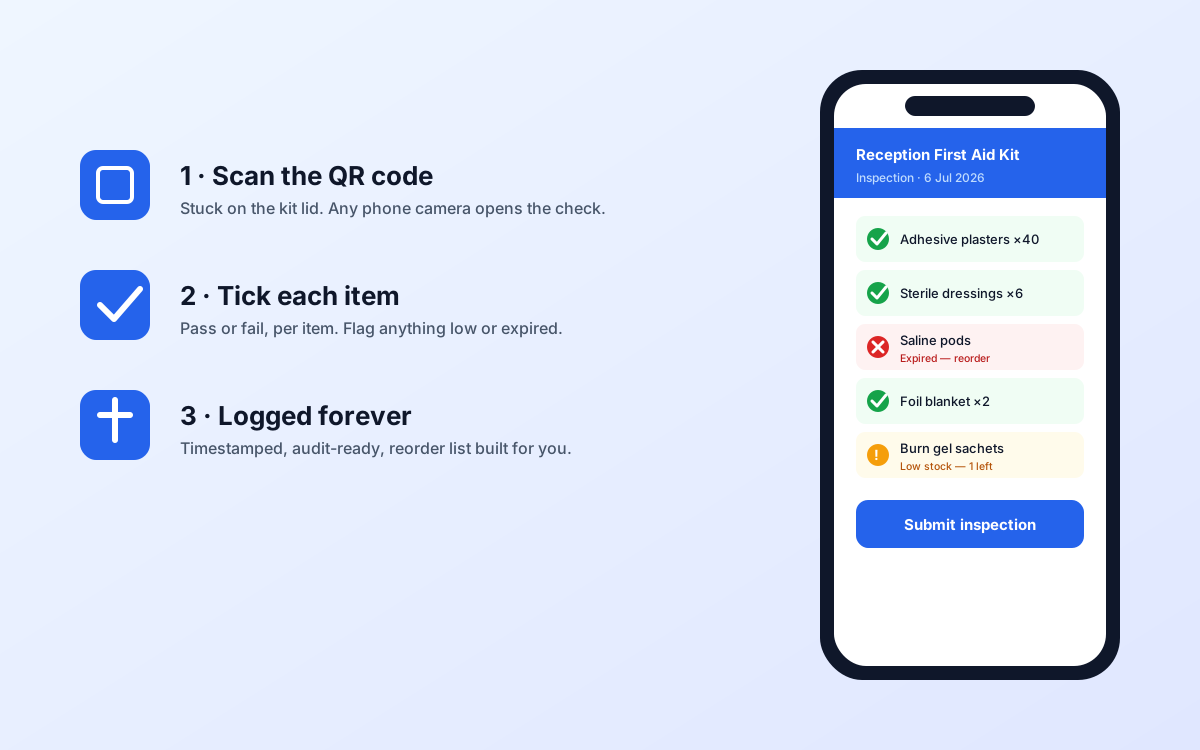
A defibrillator is just another piece of compliance kit that has to be present, in date and provable — exactly what KitCompliance is built for. Add your AED alongside your first aid kits, record the weekly and monthly checks in seconds, and get reminders before pads or batteries expire, with a one-click report that shows the device was maintained. See the getting-started guide to set it up.
Frequently asked questions
How often should a workplace defibrillator be checked?
Do a quick visual status check weekly and a fuller documented check monthly. The AED's daily self-test covers the electronics, but a person still needs to confirm the readiness indicator, the pad and battery expiry dates, and that the rescue accessories are present — and to record it.
How often do AED pads and batteries need replacing?
Pads typically expire every 2–4 years and must be replaced before the use-by date because the gel dries out; batteries last around 2–5 years. Always check the manufacturer's dates, replace after any use, and keep spare pads and a spare battery on site.
Who is responsible for maintaining a defibrillator at work?
The employer, usually delegated to a named "AED guardian" — a first-aider, facilities or health-and-safety lead — who runs the checks, keeps pads and batteries in date and records it. Naming an owner is the best way to stop it being forgotten.
Is a defibrillator legally required in a UK workplace?
There's no blanket requirement to have one, but your needs assessment may conclude you need it. If you do provide an AED, it's part of your first-aid equipment and you're expected to keep it maintained and ready.